
Sep . 28, 2024 14:45 Back to list
Understanding the Applications and Benefits of HPMC in Various Industries
What is HPMC Used For?
Hydroxypropyl methylcellulose (HPMC) is a semi-synthetic polymer derived from cellulose, and it serves a multitude of applications across various industries. This versatile compound is notable for its ability to form gels, films, and emulsions, making it an essential ingredient in many formulations. In this article, we explore the key uses of HPMC in different sectors, including pharmaceuticals, food, cosmetics, and construction.
Pharmaceutical Applications
One of the most significant applications of HPMC is in the pharmaceutical industry. It is widely used as an excipient, which is a substance that facilitates the delivery of active pharmaceutical ingredients (APIs). HPMC is employed as a binder, filler, and coating agent in tablet formulations, enhancing the mechanical strength and stability of the tablets.
Additionally, HPMC is utilized in controlled-release drug formulations. The polymer's unique properties allow for the gradual release of drugs over time, offering therapeutic benefits with lower dosages. Furthermore, HPMC's water-soluble nature makes it suitable for producing capsules and suspensions, providing an alternative to traditional gelatin capsules, particularly beneficial for vegetarians or individuals with dietary restrictions.
Food Industry
In the food industry, HPMC is recognized for its thickening, emulsifying, and stabilizing properties. It is commonly used in various food products, including sauces, dressings, and baked goods. As a thickener, HPMC improves the texture and mouthfeel of food items, enhancing their overall sensory appeal.
Moreover, it acts as a emulsifier, helping to maintain the uniform distribution of ingredients in products like mayonnaise and ice cream. This functionality prevents the separation of oil and water phases, ensuring consistent quality throughout the shelf life of the product. HPMC is also employed in gluten-free and low-fat foods, where it can mimic the texture commonly provided by gluten.
what is hpmc used for

Cosmetic and Personal Care Products
In the cosmetics industry, HPMC is a vital ingredient in many personal care products. It functions as a thickening agent in lotions, creams, shampoos, and gels, providing a smooth texture that enhances application and user experience. Its ability to form films makes it ideal for use in various cosmetic formulations, including hair styling products and foundations, where it contributes to long-lasting wear.
HPMC is also valued for its moisturizing properties. It can retain water, providing hydration to the skin, which is essential for maintaining skin health and improving appearance. The polymer’s biocompatibility makes it suitable for sensitive skin formulations, ensuring safety and efficacy.
Construction Industry
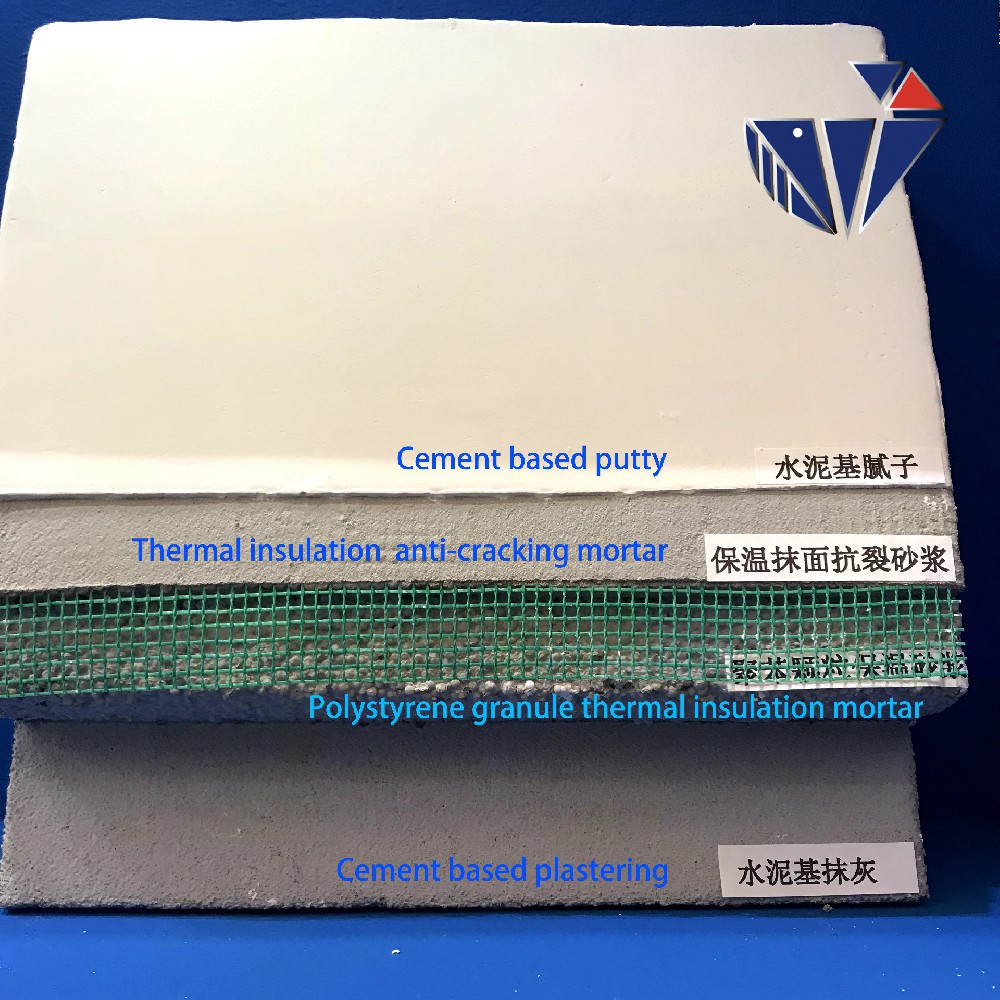
In the construction sector, HPMC is used as a crucial additive in cement and mortar products. It improves workability, extend open time, and enhances adhesion properties. HPMC helps to retain water within mixtures, preventing premature drying and ensuring effective bonding between surfaces. This characteristic is particularly beneficial in tile adhesives and other construction materials, making them more user-friendly and reliable.
Conclusion
In summary, hydroxypropyl methylcellulose (HPMC) is a multifunctional polymer with diverse applications across various industries. Its unique properties, such as water solubility, thickening, emulsifying, and film-forming capabilities, make it an invaluable ingredient in pharmaceuticals, food products, cosmetics, and construction materials. As technological advancements continue to evolve, the uses of HPMC are likely to expand, further cementing its position as a vital component in modern formulations. Whether used in a tablet, a food product, a cosmetic, or building material, HPMC plays a crucial role in enhancing quality, stability, and performance across numerous applications.
-
Cellulose Ether HPMC: Grade Selection, Dissolution, and Quality Checks
NewsNov.02,2026
-
Hydroxyethyl Cellulose HEC vs High Purity HEC: Grades, Forms and Application Compatibility
NewsNov.01,2026
-
Choosing HPMC: Grade, Form and Application Requirements
NewsOct.22,2026
-
Exploring the Versatile Hydroxypropyl Methylcellulose Uses in Industry
NewsJul.01,2026
-
Industrial Applications and Properties of Hydroxy Methyl Cellulose
NewsJun.29,2026
-
Optimize EIFS Performance with Hydroxypropyl Methyl Cellulose
NewsJun.27,2026