
Oct . 31, 2024 18:41 Back to list
Understanding the Composition and Ingredients of HPMC Products
What is HPMC Made From?
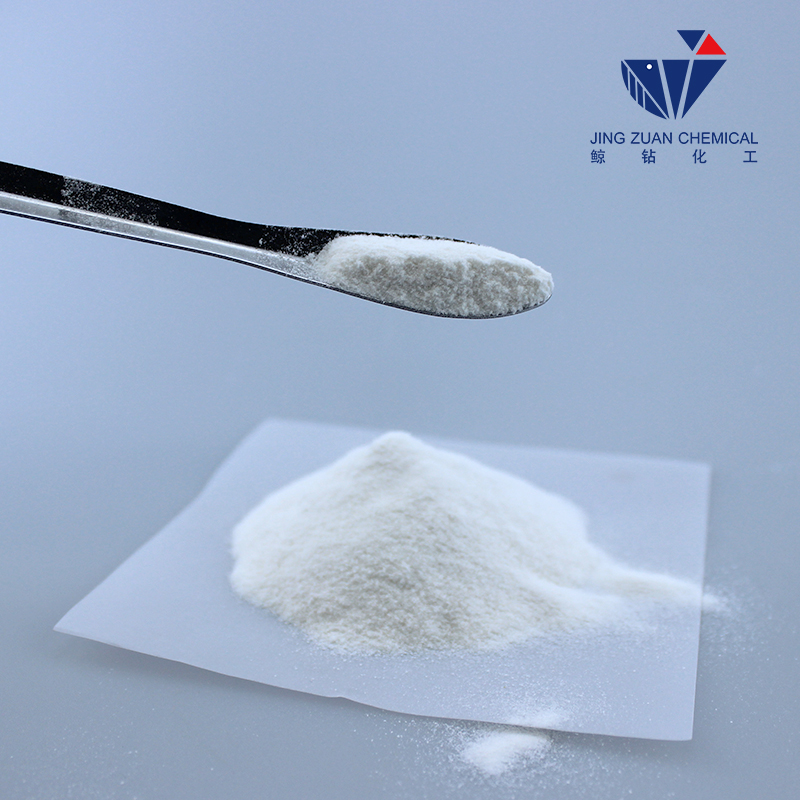
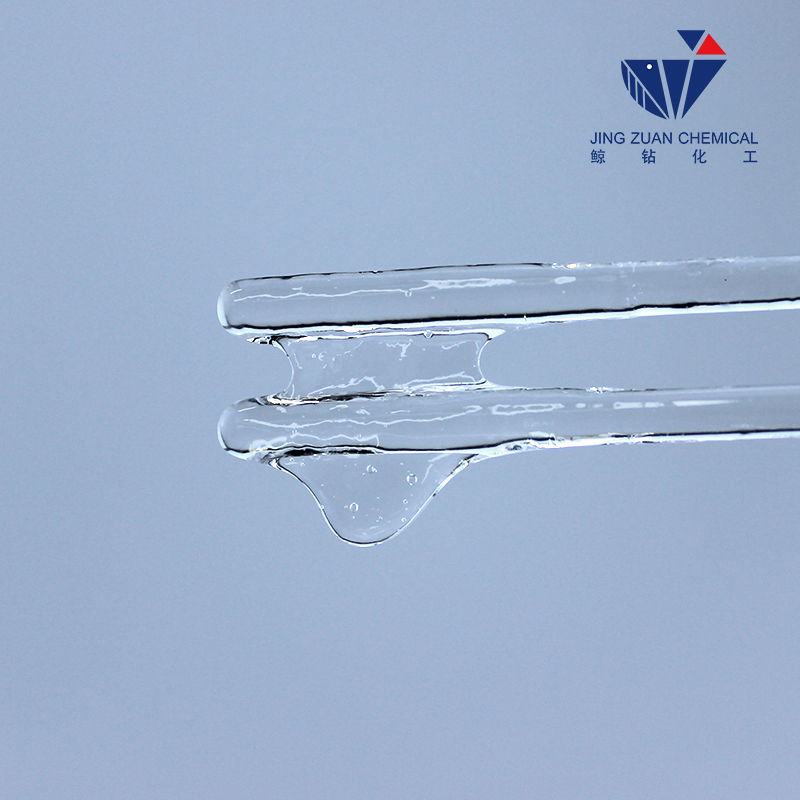
Hydroxypropyl Methylcellulose (HPMC) is a widely used polymer in various industries due to its unique properties, which include water solubility, film-forming ability, and thickening characteristics. Understanding what HPMC is made from is essential for industries that utilize this compound, spanning from pharmaceuticals to food, construction, and cosmetics.
HPMC is derived from cellulose, a natural polymer found in the cell walls of plants. Cellulose itself is a structural component that provides rigidity and strength to plant cells. To produce HPMC, conventional cellulose is subjected to a series of chemical modifications. This usually involves the introduction of hydroxypropyl and methyl groups into the cellulose polymer chain. The modification process begins with the dissolution of cellulose in an alkaline solution, followed by the reaction with propylene oxide and methyl chloride. This transformation alters the physical properties of cellulose and results in a product with a range of functionalities.
What is HPMC Made From?
In the pharmaceutical industry, HPMC is often utilized as a binder in tablet formulations, where it helps to hold the ingredients together, ensuring the integrity and consistency of the tablet. It also serves as a controlled-release agent, allowing for the gradual release of active pharmaceutical ingredients in the body over time. Moreover, its biocompatibility makes HPMC a suitable material for coatings and capsules.
what is hpmc made from

In the food sector, HPMC acts as a thickening agent, stabilizer, and emulsifier. It is commonly used in various products such as sauces, ice creams, and baked goods to improve texture and shelf stability. Because it is non-toxic and generally recognized as safe (GRAS) by the FDA, HPMC has gained approval for use in food formulations.
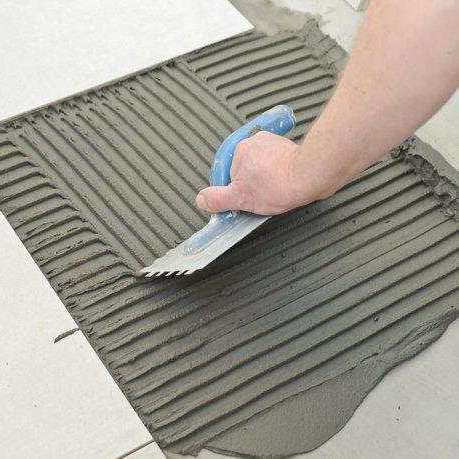
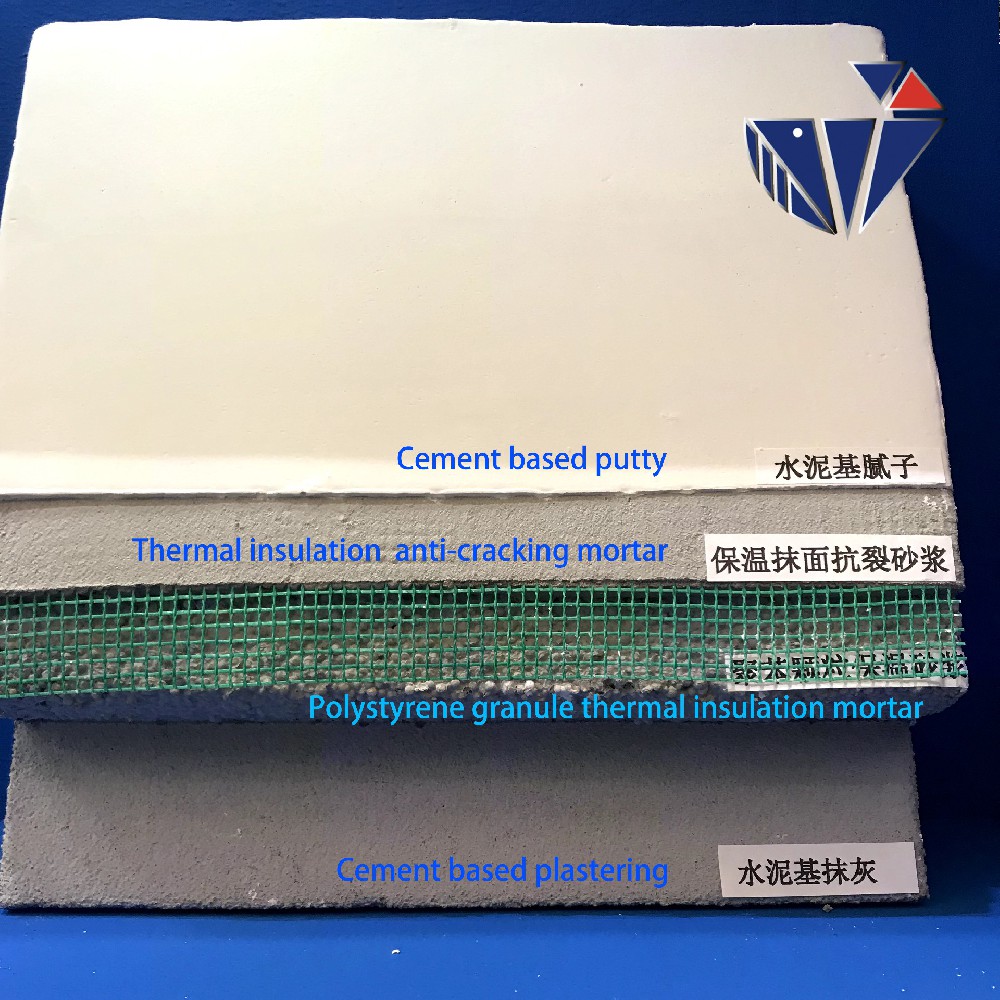
The construction industry also benefits from HPMC as it is incorporated into cement-based products like mortars and plasters. It enhances workability, improves adhesion, and helps retain moisture, making it easier to apply and ensuring better curing and durability.
In cosmetics, HPMC is used as a thickener and a stabilizing agent. It helps improve the texture of cream and lotion products and enhances spreadability, making it a favorite ingredient in skincare formulations.
In conclusion, HPMC is a versatile compound derived from natural cellulose, modified through chemical processes to serve various applications. Its unique properties stem from the structural changes made to the cellulose polymer, allowing for tailored solutions in pharmaceuticals, food, construction, and cosmetics. The ability to customize HPMC makes it an invaluable tool across multiple industries, ensuring product quality and enhancing performance. Understanding the composition of HPMC not only highlights its importance but also underlines the interplay between natural resources and modern technology in industrial applications.
-
Unlocking the Benefits of HPMC Products: A Gateway to Versatile Applications
NewsAug.07,2025
-
Unleashing the Potential of HPMC Ashland: A Comprehensive Look
NewsAug.07,2025
-
Tile Bonding Cellulose: The Key to Superior Adhesion and Durability
NewsAug.07,2025
-
Hydroxypropyl Methylcellulose Powder: The Versatile Component in Modern Pharmaceuticals
NewsAug.07,2025
-
Hydroxyethyl Cellulose: The Versatile Solution for Various Industries
NewsAug.07,2025
-
Hydroxyethyl Cellulose (HEC): The Versatile Polymer for Various Applications
NewsAug.07,2025