
Dec . 15, 2025 10:20 Back to list
What is Re Dispersible Polymer Powder? A Key Material in Modern Construction
Understanding Re Dispersible Polymer Powder: A Modern Industrial Backbone
When you hear the term re dispersible polymer powder, it might sound like some technical mumbo jumbo reserved for chemical engineers. Yet, this material plays a surprisingly pivotal role in construction, coatings, and even humanitarian efforts around the globe. Given the rising global demand for durable, flexible, and eco-friendly materials — especially in infrastructure and renovation projects — understanding re dispersible polymer powders is more relevant than ever. This article unpacks what it is, why it matters, and how it’s shaping industries worldwide.
Global Relevance: Why Should We Care?
Globally, the construction sector contributes to nearly 13% of CO2 emissions, according to the International Energy Agency. Meanwhile, urbanization rates keep climbing — the UN estimates that by 2050, two-thirds of the world’s population will live in cities. These trends create an urgent need for materials that enhance building longevity and sustainability. Re dispersible polymer powders (RDPs) answer some of these challenges by improving the performance of cementitious and gypsum-based products — which are staples in modern construction.
In practical terms, re dispersible polymer powders help create finishes that better resist cracking, improve adhesion, and reduce water permeability. Their use can reduce maintenance costs and improve safety in both casual home environments and industrial settings.
Mini takeaway: Re dispersible polymer powders aren’t just chemical additives; they’re critical enablers for sustainable and resilient building practices globally.
What Exactly Is Re Dispersible Polymer Powder?
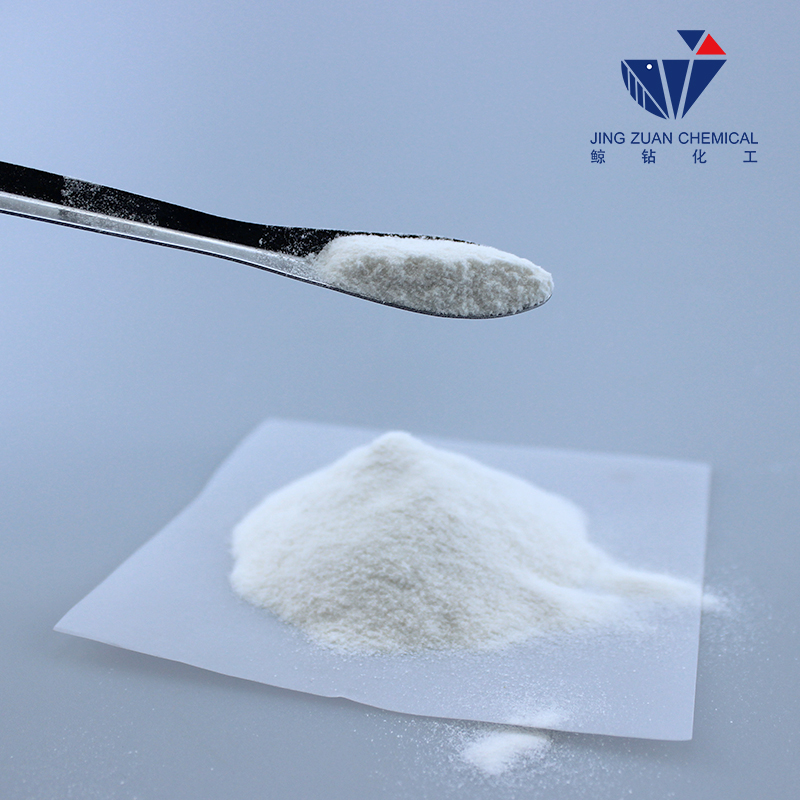
Simply put, a re dispersible polymer powder is a dry polymer material that, when mixed with water, turns back into a latex or adhesive binder. Imagine taking a polymer emulsion, spray-drying it into powder form, and then reviving it in a fresh mixture — that’s essentially how RDPs work.
In construction and industrial formulations, these powders bolster the flexibility and adhesion of cement, mortar, and plaster mixes, helping them last longer under stress. Think of RDPs as the “secret ingredient” that helps materials perform better without needing bulky plasticizers or chemical additives.
Key Characteristics of Re Dispersible Polymer Powders
1. Durability
RDPs improve crack resistance by creating a polymer film within the matrix of concrete or plaster. This film adds elasticity and toughness, making surfaces less prone to damage from natural movements or thermal expansion.
2. Adhesion
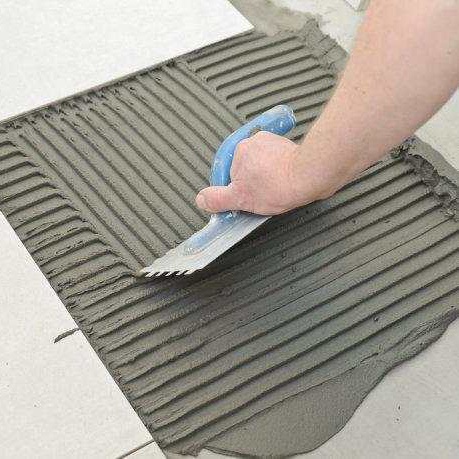
One of the standout benefits is enhanced bonding. RDPs enable better adherence between layers — for example, between a tile adhesive and a substrate — which means fewer failures and longer-lasting installations.
3. Water Resistance
By reducing permeability, re dispersible polymer powders help materials withstand moisture infiltration — a significant cause of degradation in many climates, particularly humid or rainy ones.
4. Workability
In practical use, mixes containing RDPs are generally easier to spread and shape. This improves efficiency on the job site and can reduce labor costs.
5. Environmental Compatibility
Many RDP formulations are designed to be low-VOC and comply with international environmental standards like ISO 14001, aligning with green building certifications — a growing trend worldwide.
Mini takeaway: The core qualities of re dispersible polymer powders — durability, adhesion, water resistance, and eco-friendliness — make them essential for modern materials engineering.
Product Specifications at a Glance
| Specification | Typical Range/Value | Unit |
|---|---|---|
| Polymer Content | 55–70 | % |
| Particle Size | 20–50 | microns |
| Re-dispersion Rate | >95 | % |
| Bulk Density | 400–500 | kg/m³ |
| pH | 6.5–8.5 | – |
Global Applications & Practical Use Cases
The versatility of re dispersible polymer powder means it sees use across continents and industries. For instance:
- Construction & Renovation: In Europe and North America, RDPs help produce self-leveling screeds and tile adhesives with superior bonding and flexibility.
- Disaster Relief Housing: Emergency shelters in earthquake- and hurricane-prone regions incorporate RDPs to ensure materials flex under stress—improving safety and durability.
- Industrial Flooring: Long-life floors in factories across Asia use RDPs to prevent cracking in high-traffic zones.
- Waterproof Coatings: Countries with heavy rainy seasons rely on polymer-enhanced plasters to reduce moisture damage.
Oddly enough, this chemical innovation has quietly influenced everything from everyday tile repair to large-scale infrastructure projects funded by multilateral agencies.
Mini takeaway: RDPs power a wide array of applications — from industrial settings to humanitarian projects — that demand durability and flexibility.
Vendor Comparison: Who Makes the Grade?
| Vendor | Polymer Content % | Typical Applications | Sustainability Features |
|---|---|---|---|
| CNJZ Chemical | 65 | Tile Adhesive, Mortar, Plasters | Low VOC, Bio-based Raw Materials |
| BASF | 55 | Cement Modifiers, Coatings | ISO 14001 Certified |
| Dow Chemical | 60 | Render Mortars, Tile Adhesives | Recyclable Packaging |
Advantages and Long-Term Impact
Beyond just technical performance, re dispersible polymer powders offer:
- Cost Efficiency: Longer-lasting materials mean lower replacement and repair expenses.
- Sustainability: Reduced waste and improved energy efficiency in production cycles.
- Social Impact: Safer buildings contribute to community health and dignity — simple but powerful.
- Innovation Confidence: Using advanced materials can boost stakeholder trust in projects.
Ultimately, RDPs offer peace of mind—materials that flex with time and environment changes rather than crack, crumble, or fail unexpectedly.
Looking Ahead: Trends & Innovations
In the next decade, products based on re dispersible polymer powders will likely evolve alongside green chemistry trends. For example:
- Bio-based Polymers: Developing powders from renewable feedstocks to reduce fossil fuel dependency.
- Nanotechnology: Enhancing polymer performance at the microscopic level for even better durability.
- Digital Manufacturing: Tailoring polymer mixes for 3D printed concrete components — odd but fascinating stuff.
- Policy Shifts: Stricter environmental regulations pushing industry standards higher.
Challenges & How the Industry Tackles Them
No product is perfect, right? A few recurring challenges with RDPs include:
- Cost Barriers: High-performance powders can be more expensive upfront, limiting use in developing regions.
- Complex Mixing: Achieving optimal dispersion requires skilled handling, which can slow projects.
- Environmental Concerns: While improving, some formulations still involve petrochemical derivatives.
Innovations in green polymer chemistry and user-friendly formulations are steadily addressing these. Plus, training programs for applicators help ease field challenges.
Frequently Asked Questions About Re Dispersible Polymer Powder
- What makes re dispersible polymer powder better than liquid polymer additives?
- Powdered versions are easier to transport and store, with longer shelf life and less risk of microbial contamination compared to liquid emulsions.
- Can RDPs be used in cold climates?
- Yes. Their flexibility helps materials accommodate freeze/thaw cycles, but formulas may vary to optimize performance for low temperatures.
- How environmentally friendly are these powders?
- Many manufacturers now produce low-VOC and bio-based RDPs, aligning with ISO 14001 and LEED standards—but it’s wise to confirm product certifications.
- Is re dispersible polymer powder suitable for DIY home projects?
- Generally, yes. However, proper mixing and safety equipment are essential. For complex applications, professional advice is recommended.
Conclusion: Why Re Dispersible Polymer Powder Matters Now and Tomorrow
From enhancing the durability of everyday homes to reinforcing critical infrastructure in vulnerable regions, re dispersible polymer powder quietly supports a safer, more sustainable built environment. Its combination of technical advantages and environmental promise means it’s more than just a chemical additive — it’s part of the solution for resilient communities. If you want to explore high-quality, reliable RDP products, I recommend checking out re dispersible polymer powder suppliers like CNJZ Chemical for options that fit your needs.
Here’s to building smarter, lighter, and cleaner — one polymer particle at a time.
References
-
Understanding Hydroxypropyl Methyl Cellulose MSDS Safety and Compliance
NewsApr.16,2026
-
Understanding the Hydroxypropyl Methyl Cellulose HS Code for Global Trade
NewsApr.09,2026
-
Comprehensive Guide to Hydroxypropyl Methyl Cellulose CAS Number and Applications
NewsApr.07,2026
-
Comprehensive Guide to Hydroxypropyl Methyl Cellulose cas no and its Diverse Applications
NewsApr.04,2026
-
Comprehensive Guide to Hydroxypropyl Methyl Cellulose Manufacturers and Applications
NewsMar.31,2026
-
Understanding Hydroxypropyl Methyl Cellulose Properties And Diverse Applications
NewsMar.28,2026