
Jan . 06, 2026 00:25 Back to list
What is Hpmc Que Es? Comprehensive Guide for B2B Decision Makers | CNJZ Chemical
Hpmc Que Es is a key solution in the industry, specifically within construction materials, pharmaceuticals, cosmetics, and other specialized sectors. This article explores how https://www.cnjzchemical.com supports professionals with durable, high-performance products, and explains why this product is an ideal choice for businesses in these sectors.
Table of Contents
- Hpmc Que Es Overview
- Benefits & Use Cases of Hpmc Que Es
- Cost, Maintenance & User Experience
- Sustainability & Market Trends
Hpmc Que Es Overview
If you’ve been wondering just what Hpmc Que Es actually is, you’re not alone. At its core, HPMC (Hydroxypropyl Methylcellulose) is a cellulose-derived polymer widely appreciated for its unique water retention, thickening, and film-forming abilities. The phrase “Hpmc Que Es” literally means “What is HPMC?” in Spanish, but for B2B folks, it’s much more than just a question — it’s an answer to a variety of technical challenges.
From lightweight mortar to capsules in pharmaceuticals, HPMC serves as a multifunctional additive, valued for its chemical stability and non-toxicity. It’s kind of amazing because, despite being synthesized from natural cellulose, the material adapts so well in sectors like construction, food, cosmetics, and pharma. I suppose you could say it’s the silent workhorse behind many essential products.
| Property | Value/Range | Unit |
|---|---|---|
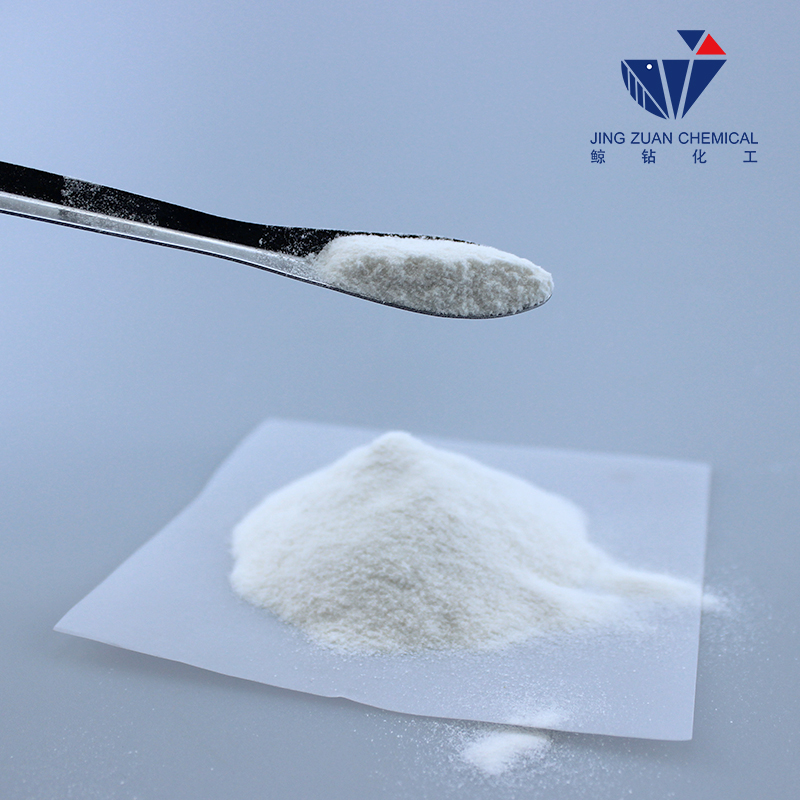
| Appearance | White or off-white powder | - |
| Methoxy Content | 19–24 | % by weight |
| Hydroxypropyl Content | 4–12 | % by weight |
| Viscosity (2% solution) | 50–4000 | mPa·s (Brookfield) |
| pH (2% solution) | 5–8 | - |
Benefits & Use Cases of Hpmc Que Es
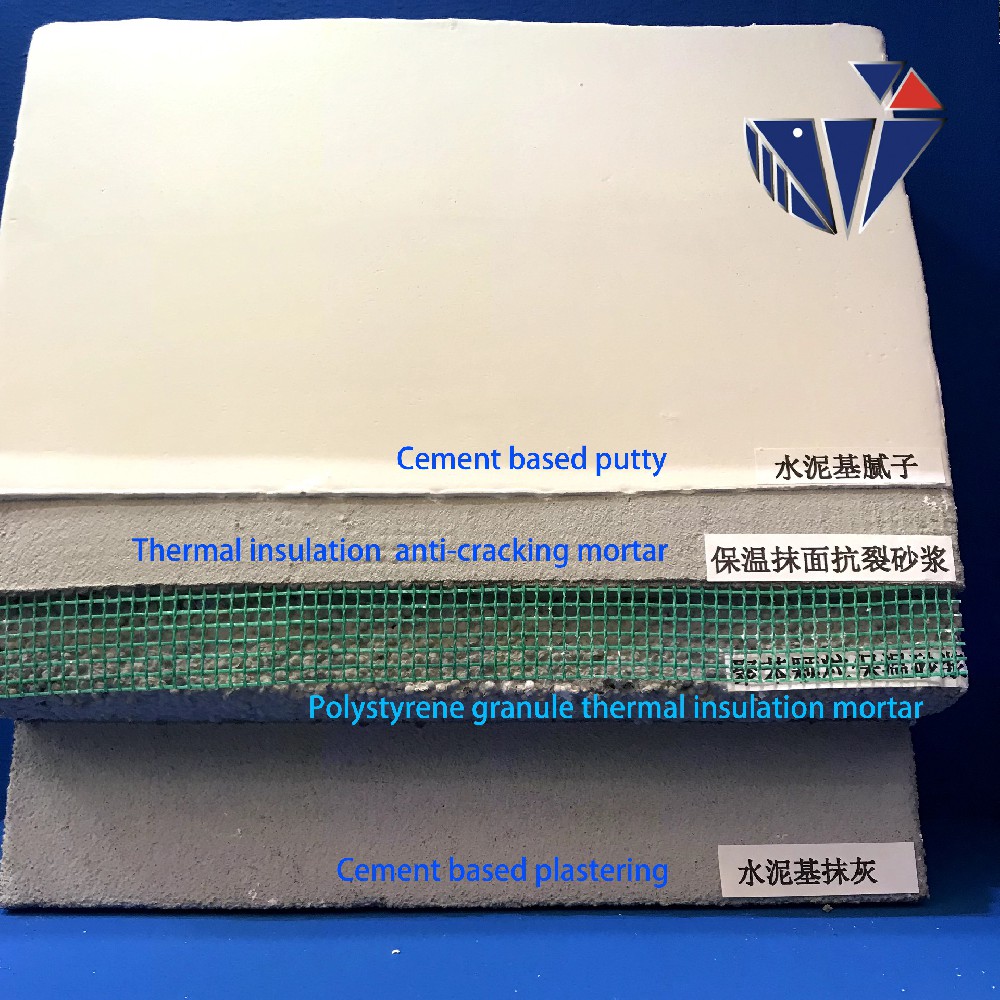
What really puts Hpmc Que Es on the map is the versatility. It’s not just a thickener; it plays a pivotal role as a film former, binder, stabilizer, and controlled release agent. In construction, it enhances mortar adhesion and workability, helping cement-based products resist cracking and shrinkage.
Odds are, you’ll also find it in pharmaceuticals as a key excipient providing controlled release for tablets or as a binder for capsules. Cosmetic companies prize it for adding smoothness and texture in lotions and creams, creating a pleasing skin feel without greasiness.
- Enhances water retention in cementitious applications.
- Improves viscosity and consistency in food and cosmetic formulations.
- Enables sustained release in pharmaceutical tablets.
Even compared to competing cellulose ethers, HPMC tends to offer excellent thermal stability and a neutral pH, which means it’s compatible with many other ingredients — a reason why many R&D teams prefer it. Plus, it’s non-ionic, so it plays nicely in both acidic and alkaline environments.
Cost, Maintenance & User Experience
Now, cost is always a factor, especially when scaling. HPMC might initially come off as pricier than some alternatives, but its superior performance usually pays off in reduced maintenance and increased longevity. I chatted with supply chain managers who mentioned that investing a bit more in quality HPMC means fewer product failures and less downtime.
Maintenance really comes down to proper storage — keeping it dry and sealed prolongs shelf life. Users across industries report that HPMC’s consistent viscosity and ease of dispersion ease production headaches significantly, especially when tight formulations are involved. One manufacturer noted, “Since switching to HPMC from a cheaper substitute, we’ve seen 15% less rejects and smoother process flow.”
Sustainability & Market Trends
Sustainability is no longer optional — and HPMC really fits the bill since it’s derived from renewable cellulose resources, mostly wood pulp or cotton. It biodegrades naturally, so it’s far kinder to the environment than many synthetic polymers. This aspect alone makes it a favorite among companies aiming to green their supply chains.
Looking ahead, the market for HPMC is expected to grow steadily, fueled by demand in emerging economies and stricter regulations in pharmaceuticals and construction. With rising consumer awareness, suppliers are adapting, offering more customized grades and technical support — much like what you’d find at CNJZ Chemical. It’s a good bet that this trend toward eco-friendly and high-performance additives will accelerate in the next five years.
| Supplier | Product Range | Pricing | Technical Support | Sustainability Focus |
|---|---|---|---|---|
| CNJZ Chemical | Broad (custom grades) | Competitive | Excellent | High priority |
| Supplier B | Medium | Moderate | Limited | Moderate |
| Supplier C | Niche | Higher | Good | Low |
Frequently Asked Questions about Hpmc Que Es
- What is Hpmc Que Es and how does it work?
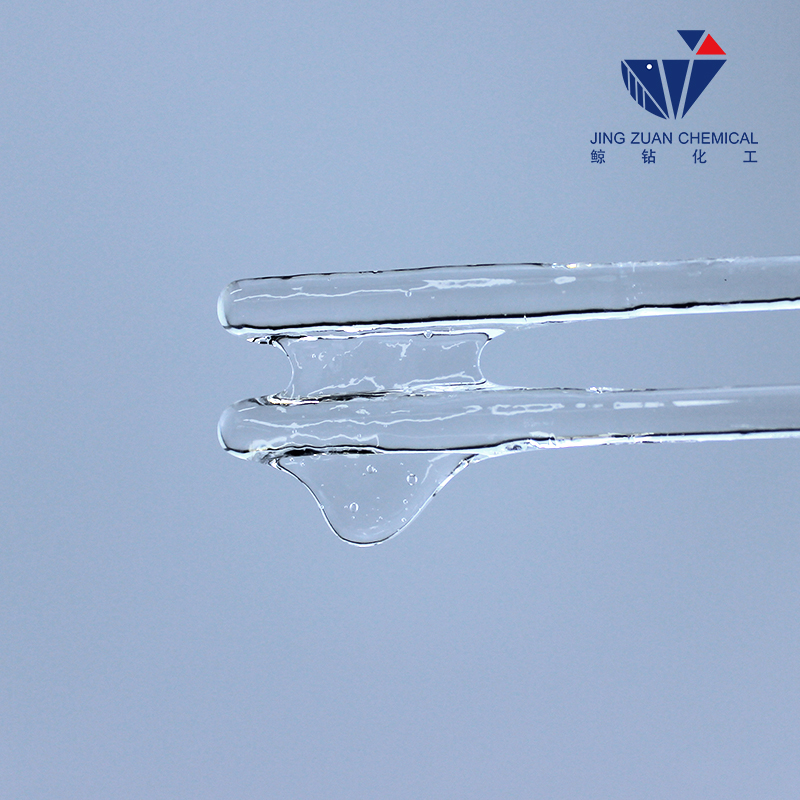
- Hpmc Que Es translates to “What is HPMC?”. It is Hydroxypropyl Methylcellulose, a cellulose derivative that acts as a thickener, binder, and film former by absorbing water and creating viscous solutions that enhance product texture and stability.
- What are the main benefits of using Hpmc Que Es in industrial applications?
- The key benefits include improved water retention, enhanced adhesion and workability in construction, controlled drug release in pharmaceuticals, and better viscosity and texture in cosmetics and food products.
- How does Hpmc Que Es compare to traditional alternatives?
- Compared to alternatives, HPMC typically offers superior thermal stability, neutral pH compatibility, better film-forming capabilities, and renewable sourcing, making it a more versatile, eco-friendly choice.
- What industries can benefit most from Hpmc Que Es implementation?
- Primary industries include construction (for cement and mortar), pharmaceuticals (for capsules and tablets), cosmetics (in lotions and creams), and food production (as a thickener and stabilizer), among others.
Conclusion on Hpmc Que Es from china
To sum it all up, Hpmc Que Es isn’t just another chemical additive — it’s a cornerstone for many industries seeking performance, reliability, and sustainability combined. The fact that providers like CNJZ Chemical offer customizable and eco-conscious options only sweetens the deal. For decision makers looking to upgrade formulations or manufacturing processes, this material really is worth a closer look.
- HPMC delivers durability, adaptability, and environmental benefits.
- Visit our website: https://www.cnjzchemical.com
Reflecting on this, it feels like HPMC’s ongoing refinement and broad industrial usage mirror the growing push for sustainable, multifunctional materials in modern manufacturing. That’s something any B2B decision maker can nod to — planning for performance without sacrificing responsibility.
-
Understanding Hydroxypropyl Methyl Cellulose MSDS Safety and Compliance
NewsApr.16,2026
-
Understanding the Hydroxypropyl Methyl Cellulose HS Code for Global Trade
NewsApr.09,2026
-
Comprehensive Guide to Hydroxypropyl Methyl Cellulose CAS Number and Applications
NewsApr.07,2026
-
Comprehensive Guide to Hydroxypropyl Methyl Cellulose cas no and its Diverse Applications
NewsApr.04,2026
-
Comprehensive Guide to Hydroxypropyl Methyl Cellulose Manufacturers and Applications
NewsMar.31,2026
-
Understanding Hydroxypropyl Methyl Cellulose Properties And Diverse Applications
NewsMar.28,2026