

Jul . 26, 2024 10:10 Back to list
What is HPMC for Capsules: A Comprehensive Guide
What is HPMC for Capsules: A Comprehensive Guide
Introduction
In the world of pharmaceuticals and dietary supplements, capsules are a popular and convenient dosage form. One key component in capsule production is Hydroxypropyl Methylcellulose (HPMC), a versatile and widely used ingredient. In this article, we will explore HPMC for capsules in detail, discussing its properties, benefits, and applications.
Understanding HPMC
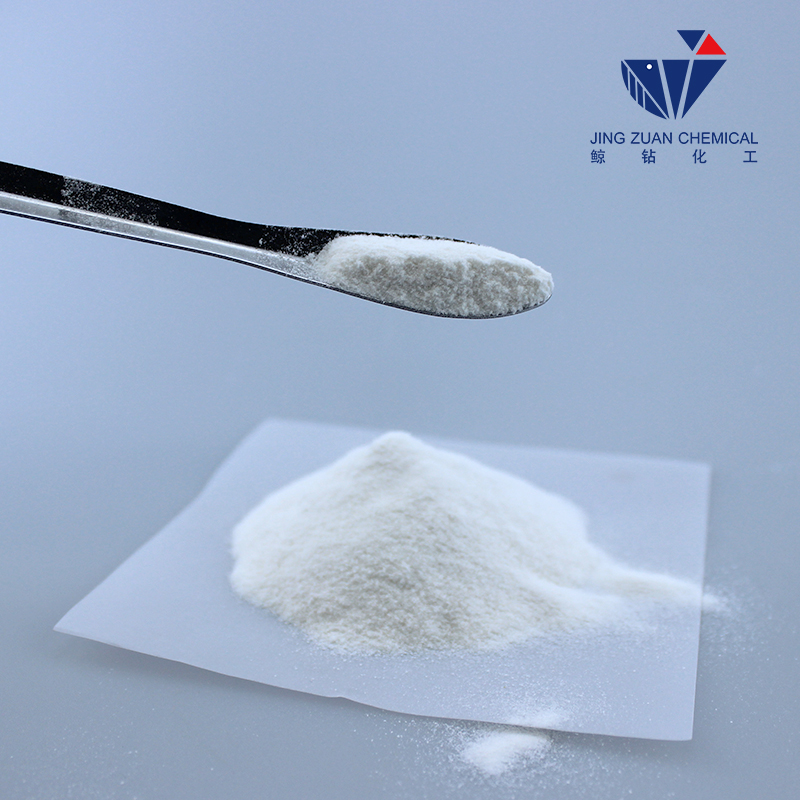
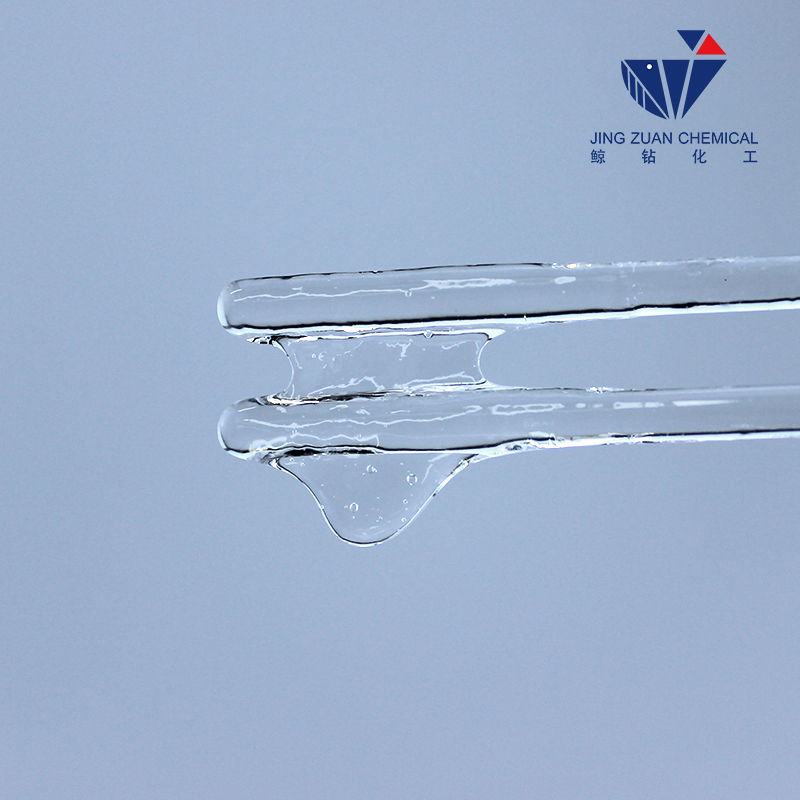
Hydroxypropyl Methylcellulose (HPMC), also known as Hypromellose, is a semisynthetic polymer derived from plant cellulose. It is a white or off-white powder that is soluble in water and forms a viscous gel-like substance. HPMC is commonly used in various industries, including pharmaceuticals, food, cosmetics, and construction.
Role of HPMC in Capsules
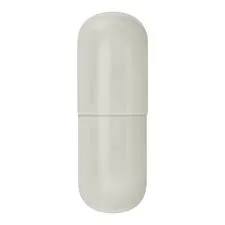
- Capsule Shell Formation: HPMC is primarily used as a key ingredient in the production of vegetarian or vegan capsules. It acts as a film-forming agent, helping to create the outer shell of the capsule. This enables the encapsulation of various active ingredients, such as powders, granules, or liquids.
- Capsule Integrity and Dissolution: HPMC capsules have excellent mechanical strength and are resistant to cracking or breaking during handling and transportation. Moreover, HPMC capsules have controlled and predictable dissolution properties, ensuring the release of the encapsulated contents at the desired rate.
- Compatibility and Safety: HPMC is considered a safe and inert material for capsule production. It is compatible with a wide range of active ingredients, including pharmaceutical drugs, dietary supplements, and herbal extracts. HPMC capsules are also suitable for individuals with dietary restrictions, such as vegetarians or those with religious or cultural considerations.
Benefits of HPMC Capsules
- Vegetarian/Vegan-Friendly: HPMC capsules offer an excellent alternative to traditional gelatin capsules, making them suitable for individuals following vegetarian or vegan lifestyles. This allows a broader consumer base to access products encapsulated in HPMC capsules.
- Flexibility in Formulation: HPMC capsules provide flexibility in formulating different types of dosage forms, such as immediate-release, delayed-release, or sustained-release formulations. The properties of HPMC can be adjusted to meet specific formulation requirements, ensuring optimal performance and efficacy.
- Moisture Resistance: HPMC capsules have good moisture resistance properties, protecting the encapsulated contents from environmental moisture. This helps maintain the stability and shelf life of the product.
- Wide Compatibility: HPMC is compatible with a wide range of active ingredients, including sensitive compounds that may require protection from moisture, light, or other factors. This allows for the encapsulation of a diverse range of pharmaceutical drugs, nutraceuticals, and dietary supplements.
HPMC
Conclusion
Hydroxypropyl Methylcellulose (HPMC) plays a significant role in the production of capsules, particularly vegetarian or vegan capsules. Its film-forming properties, compatibility, and safety make it a preferred choice in the pharmaceutical and dietary supplement industries. With benefits such as vegetarian-friendliness, flexibility in formulation, moisture resistance, and wide compatibility, HPMC capsules offer a viable solution for encapsulating various active ingredients.
In conclusion, HPMC for capsules provides a versatile and reliable option for formulators and consumers alike. Its unique properties and benefits contribute to the popularity of HPMC capsules in the pharmaceutical and dietary supplement industries. Whether you are a manufacturer or a consumer, understanding HPMC and its role in capsule production can help you make informed choices and meet the needs of diverse market segments.

FAQs
Q.1 : What is HPMC?
A: HPMC stands for Hydroxypropyl Methylcellulose, which is a semisynthetic polymer derived from plant cellulose. It is commonly used in various industries, including pharmaceuticals, food, cosmetics, and construction.
Q.2 : What is the role of HPMC in capsule production?
A: HPMC is used as a film-forming agent in the production of vegetarian or vegan capsules. It helps create the outer shell of the capsule, providing mechanical strength, controlled dissolution properties, and compatibility with various active ingredients.
Q.3 : Are HPMC capsules suitable for vegetarians and vegans?
A: Yes, HPMC capsules are suitable for vegetarians and vegans as they are made from plant-based materials and do not contain animal-derived gelatin.
Q.4 : What are the advantages of HPMC capsules over gelatin capsules?
A: HPMC capsules offer several advantages, including suitability for vegetarian/vegan lifestyles, flexibility in formulation (e.g., immediate-release or sustained-release), moisture resistance, and compatibility with a wide range of active ingredients.
Q.5: Are HPMC capsules safe for consumption?
A: Yes, HPMC is considered a safe and inert material for capsule production. It is widely used in the pharmaceutical and food industries and has been extensively tested for safety and compatibility.
Q.6: Can HPMC capsules be used for sensitive or moisture-sensitive compounds?
A: Yes, HPMC capsules are suitable for encapsulating sensitive compounds that may require protection from moisture or other environmental factors. HPMC has good moisture resistance properties, helping to maintain the stability and integrity of the encapsulated contents.
Q.6: Can HPMC capsules be used for customized release profiles?
A: Yes, HPMC capsules can be formulated for various release profiles, including immediate-release, delayed-release, or sustained-release formulations. The properties of HPMC can be adjusted to meet specific formulation requirements.
Q.7: Are there any quality standards for HPMC capsules?
A: Yes, reputable manufacturers of HPMC capsules adhere to strict quality standards to ensure consistent quality, purity, and performance. Look for certifications and regulatory compliance when choosing HPMC capsules.
Q.8: How long is the shelf life of HPMC capsules?
A: The shelf life of HPMC capsules depends on various factors, including storage conditions and formulation ingredients. Proper storage in a cool, dry place can help maintain the capsules' integrity and extend their shelf life.
Q.9: Can HPMC capsules be used in combination with other capsule types?
A: Yes, HPMC capsules can be used in combination with other capsule types, such as gelatin capsules, to offer more options for encapsulating different types of ingredients or meeting specific market preferences.
-
Versatile Hpmc Uses in Different Industries
NewsJun.19,2025
-
Redispersible Powder's Role in Enhancing Durability of Construction Products
NewsJun.19,2025
-
Hydroxyethyl Cellulose Applications Driving Green Industrial Processes
NewsJun.19,2025
-
Exploring Different Redispersible Polymer Powder
NewsJun.19,2025
-
Choosing the Right Mortar Bonding Agent
NewsJun.19,2025
-
Applications and Significance of China Hpmc in Modern Industries
NewsJun.19,2025



 English
  Afrikaans
  Albanian
  Amharic
  Arabic
  Armenian
  Azerbaijani
  Basque
  Belarusian
  Bengali
  Bosnian
  Bulgarian
  Catalan
  Cebuano
  Corsican
  Croatian
  Czech
Czech  Danish
  Dutch
Dutch  Esperanto
  Estonian
  Finnish
  French
  Frisian
  Galician
  Georgian
  German
  Greek
Greek  Gujarati
  Haitian Creole
  Hausa
Hausa  Hawaiian
  Hebrew
  Hindi
Hindi  Miao
Miao  Hungarian
  Icelandic
  Igbo
Igbo  Indonesian
  Irish
Irish  Italian
  Japanese
  Javanese
  Kannada
  Kazakh
  Khmer
Khmer  Rwandese
  Korean
  Kurdish
  Kyrgyz
  Lao
Lao  Latin
Latin  Latvian
  Lithuanian
  Luxembourgish
  Macedonian
  Malgashi
  Malay
Malay  Malayalam
  Maltese
  Maori
Maori  Marathi
  Mongolian
  Myanmar
  Nepali
  Norwegian
  Norwegian
  Occitan
  Pashto
  Persian
  Polish
  Portuguese
  Punjabi
  Romanian
  Russian
  Samoan
  Scottish Gaelic
  Serbian
  Sesotho
  Shona
Shona  Sindhi
  Sinhala
  Slovak
  Slovenian
  Somali
  Spanish
  Sundanese
  Swahili
  Swedish
  Tagalog
  Tajik
Tajik  Tamil
Tamil  Tatar
Tatar  Telugu
  Thai
Thai  Turkish
  Turkmen
  Ukrainian
  Urdu
Urdu  Uighur
  Uzbek
Uzbek  Vietnamese
  Welsh
Welsh  Bantu
Bantu  Yiddish
  Yoruba
  Zulu
Zulu