

Jun . 13, 2024 16:02 Back to list
The molecular structure of HPMC is complex, consisting of hydroxypropyl groups attached to a cellulose backbone.
The chemical structure of HPMC, or Hydroxypropyl Methylcellulose, is a fundamental aspect that defines its unique properties and wide range of applications. HPMC is a non-ionic, thermally reversible cellulose derivative, synthesized through the chemical modification of native cellulose, a naturally occurring polymer found in plant cell walls.
At its core, HPMC's chemical structure consists of a linear chain of glucose units connected by β-1,4-glycosidic bonds. These glucose units are derived from cellulose, a polysaccharide composed of hundreds to thousands of glucose monomers. The modification involves the substitution of hydroxyl groups on the cellulose backbone with methyl and hydroxypropyl groups, which significantly alters its physical and chemical characteristics.
The substitution pattern in HPMC can vary, typically involving methoxy (-OCH3) groups at the 2 and 6 positions of the glucose ring and hydroxypropyl (-OCH2CH(OH)CH3) groups at the 2 position. This substitution not only increases the solubility of the cellulose in water but also influences its viscosity, stability, and interaction with other substances.
The degree of substitution (DS) and the ratio of methyl to hydroxypropyl groups (M/P ratio) are crucial parameters in determining the specific properties of HPMC. A higher DS value indicates more substituents, leading to increased water solubility and reduced crystallinity. Conversely, the M/P ratio affects the hydrophilicity, with a higher hydroxypropyl content enhancing the swelling capacity and solution viscosity Conversely, the M/P ratio affects the hydrophilicity, with a higher hydroxypropyl content enhancing the swelling capacity and solution viscosity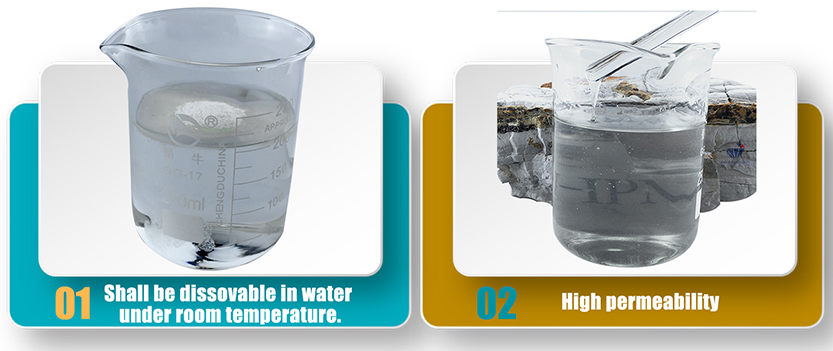 Conversely, the M/P ratio affects the hydrophilicity, with a higher hydroxypropyl content enhancing the swelling capacity and solution viscosity Conversely, the M/P ratio affects the hydrophilicity, with a higher hydroxypropyl content enhancing the swelling capacity and solution viscositychemical structure of hpmc.
Due to its tailored chemical structure, HPMC finds extensive use in various industries. In pharmaceuticals, it serves as an excipient for controlled drug release and tablet binding. In construction, it's a common ingredient in dry mixes due to its ability to form a gel when mixed with water, improving the workability and setting properties. It's also utilized in the food industry as a thickener, emulsifier, and stabilizer, and in the paint sector as a film-former and rheology modifier.
In conclusion, the chemical structure of HPMC plays a pivotal role in its multifaceted functionality. Its unique combination of methyl and hydroxypropyl groups endows it with a balance of hydrophobic and hydrophilic characteristics, enabling it to excel in diverse applications. Understanding and manipulating this structure allows for the development of customized HPMC derivatives tailored to specific industrial needs.
Conversely, the M/P ratio affects the hydrophilicity, with a higher hydroxypropyl content enhancing the swelling capacity and solution viscosity Conversely, the M/P ratio affects the hydrophilicity, with a higher hydroxypropyl content enhancing the swelling capacity and solution viscositychemical structure of hpmc.
Due to its tailored chemical structure, HPMC finds extensive use in various industries. In pharmaceuticals, it serves as an excipient for controlled drug release and tablet binding. In construction, it's a common ingredient in dry mixes due to its ability to form a gel when mixed with water, improving the workability and setting properties. It's also utilized in the food industry as a thickener, emulsifier, and stabilizer, and in the paint sector as a film-former and rheology modifier.
In conclusion, the chemical structure of HPMC plays a pivotal role in its multifaceted functionality. Its unique combination of methyl and hydroxypropyl groups endows it with a balance of hydrophobic and hydrophilic characteristics, enabling it to excel in diverse applications. Understanding and manipulating this structure allows for the development of customized HPMC derivatives tailored to specific industrial needs.
Conversely, the M/P ratio affects the hydrophilicity, with a higher hydroxypropyl content enhancing the swelling capacity and solution viscosity Conversely, the M/P ratio affects the hydrophilicity, with a higher hydroxypropyl content enhancing the swelling capacity and solution viscositychemical structure of hpmc.
Due to its tailored chemical structure, HPMC finds extensive use in various industries. In pharmaceuticals, it serves as an excipient for controlled drug release and tablet binding. In construction, it's a common ingredient in dry mixes due to its ability to form a gel when mixed with water, improving the workability and setting properties. It's also utilized in the food industry as a thickener, emulsifier, and stabilizer, and in the paint sector as a film-former and rheology modifier.
In conclusion, the chemical structure of HPMC plays a pivotal role in its multifaceted functionality. Its unique combination of methyl and hydroxypropyl groups endows it with a balance of hydrophobic and hydrophilic characteristics, enabling it to excel in diverse applications. Understanding and manipulating this structure allows for the development of customized HPMC derivatives tailored to specific industrial needs. Latest news
-
Versatile Hpmc Uses in Different Industries
NewsJun.19,2025
-
Redispersible Powder's Role in Enhancing Durability of Construction Products
NewsJun.19,2025
-
Hydroxyethyl Cellulose Applications Driving Green Industrial Processes
NewsJun.19,2025
-
Exploring Different Redispersible Polymer Powder
NewsJun.19,2025
-
Choosing the Right Mortar Bonding Agent
NewsJun.19,2025
-
Applications and Significance of China Hpmc in Modern Industries
NewsJun.19,2025
Related PRODUCTS



 English
  Afrikaans
  Albanian
  Amharic
  Arabic
  Armenian
  Azerbaijani
  Basque
  Belarusian
  Bengali
  Bosnian
  Bulgarian
  Catalan
  Cebuano
  Corsican
  Croatian
  Czech
Czech  Danish
  Dutch
Dutch  Esperanto
  Estonian
  Finnish
  French
  Frisian
  Galician
  Georgian
  German
  Greek
Greek  Gujarati
  Haitian Creole
  Hausa
Hausa  Hawaiian
  Hebrew
  Hindi
Hindi  Miao
Miao  Hungarian
  Icelandic
  Igbo
Igbo  Indonesian
  Irish
Irish  Italian
  Japanese
  Javanese
  Kannada
  Kazakh
  Khmer
Khmer  Rwandese
  Korean
  Kurdish
  Kyrgyz
  Lao
Lao  Latin
Latin  Latvian
  Lithuanian
  Luxembourgish
  Macedonian
  Malgashi
  Malay
Malay  Malayalam
  Maltese
  Maori
Maori  Marathi
  Mongolian
  Myanmar
  Nepali
  Norwegian
  Norwegian
  Occitan
  Pashto
  Persian
  Polish
  Portuguese
  Punjabi
  Romanian
  Russian
  Samoan
  Scottish Gaelic
  Serbian
  Sesotho
  Shona
Shona  Sindhi
  Sinhala
  Slovak
  Slovenian
  Somali
  Spanish
  Sundanese
  Swahili
  Swedish
  Tagalog
  Tajik
Tajik  Tamil
Tamil  Tatar
Tatar  Telugu
  Thai
Thai  Turkish
  Turkmen
  Ukrainian
  Urdu
Urdu  Uighur
  Uzbek
Uzbek  Vietnamese
  Welsh
Welsh  Bantu
Bantu  Yiddish
  Yoruba
  Zulu
Zulu