
Dec . 15, 2025 10:55 Back to list
Redispersible Polymer Powder HS Code Explained: Global Trade & Industry Insights
Understanding Redispersible Polymer Powder HS Code: A Global Trade Key
Redispersible polymer powders (RPP) might sound like a niche chemistry term, but their HS code — the international trade classification — plays a surprisingly critical role worldwide. Why? Because accurate classification governs tariffs, regulations, and logistics for industries relying on these versatile powders. Understanding the redispersible polymer powder HS code can facilitate smoother international trade, cost savings, and regulatory compliance — all integral for construction, coatings, and adhesives industries across continents.
Introduction: Why the Redispersible Polymer Powder HS Code Matters Globally
In a world where supply chains span the globe, redispersible polymer powders have become indispensable materials. According to the International Organization for Standardization (ISO), proper Harmonized System (HS) coding ensures consistent customs treatment across 190+ countries. Since polymer powders are widely used in construction mortars, tile adhesives, and even in remediation, misclassification can cause delays or unexpected tariffs, raising costs.
Interestingly, the United Nations data show that polymer-related product imports increased by over 10% annually in recent years, pushing demand for a unified HS system. Yet, challenges remain: inconsistent coding complicates trade especially for humanitarian work in disaster zones that rely on quick shipment of construction materials.
What is the Redispersible Polymer Powder HS Code?
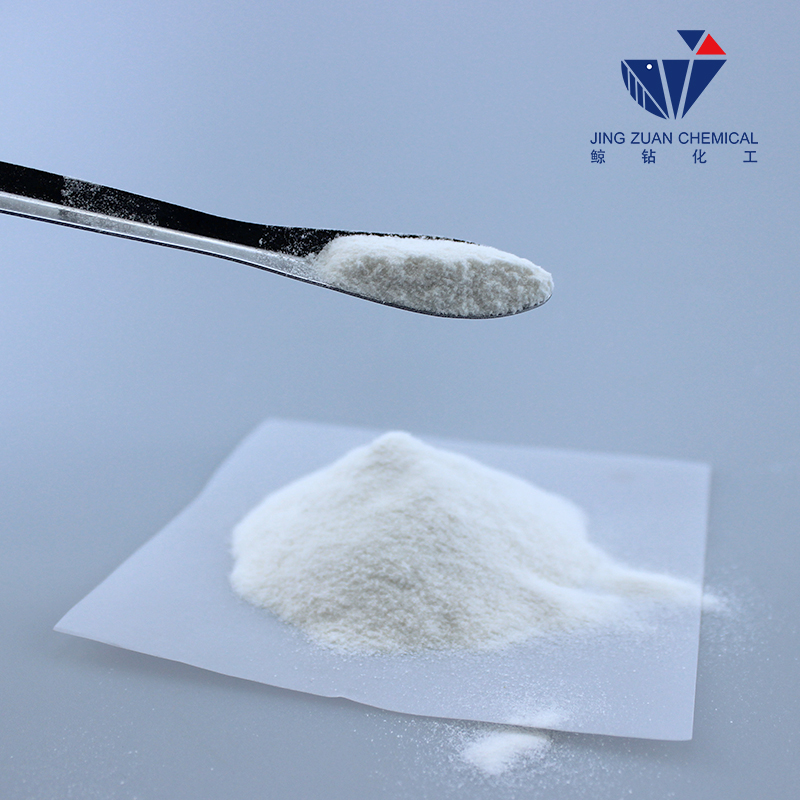
The HS code is a standardized numerical method of classifying traded products developed by the World Customs Organization (WCO). Specifically for redispersible polymer powder, this code groups the powder under polymer and resin-related categories. These powders themselves are finely milled polymers that, when mixed with water, re-disperse into a latex-like substance enhancing adhesion and flexibility in cementitious mixtures.
Simply put, the code creates a universal language for export/import of these powders, linking their chemical identity with tariff schedules and regulations worldwide. Given the powders’ widespread use in modern construction, the HS code essentially underpins vital sectors like housing, infrastructure, and even health facilities' construction.
Key Factors for Redispersible Polymer Powder and Its HS Classification
1. Durability and Performance
RPPs enhance exterior and interior coatings’ resistance to cracking, water, and mechanical wear. Their HS code often reflects their polymeric nature vs. chemical additives, affecting regulatory oversight.
2. Scalability in Production and Supply
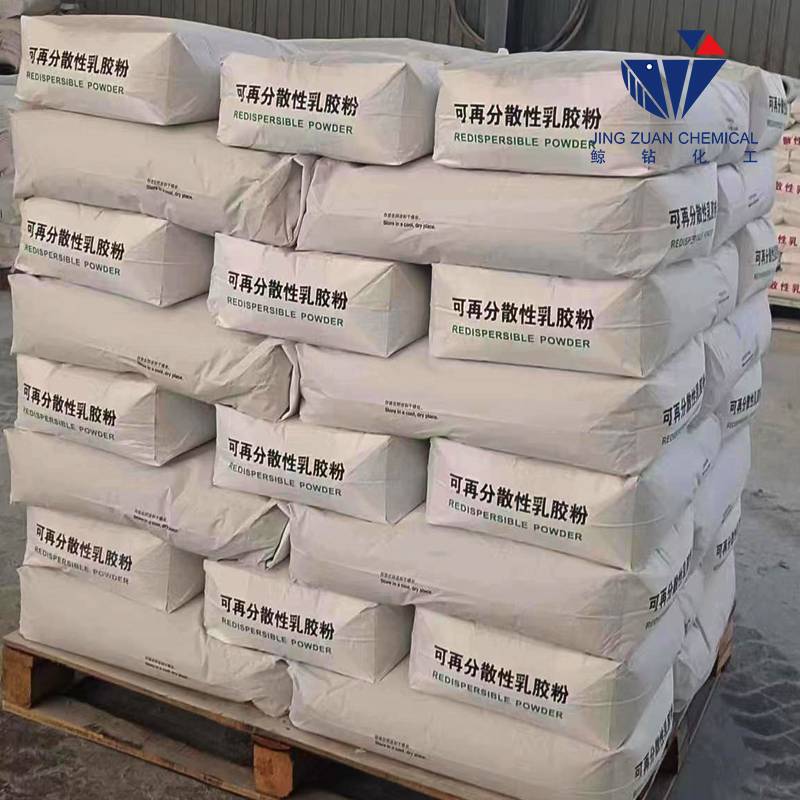
Large-scale manufacturing of RPPs demands explicit HS classification to facilitate shipment from production hubs (like China or Europe) to construction sites worldwide.
3. Cost Efficiency and Tariff Implications
Customs duties linked to HS codes directly impact product pricing. Understanding the correct code reduces unexpected tariffs, helping manufacturers and buyers anticipate final costs.
4. Compliance with Environmental and Safety Regulations
Environmental regulations, especially in Europe (REACH) and North America (TSCA), tie closely to classification. An accurate HS code ensures distributions comply with these frameworks.
5. Adaptability in Various Applications
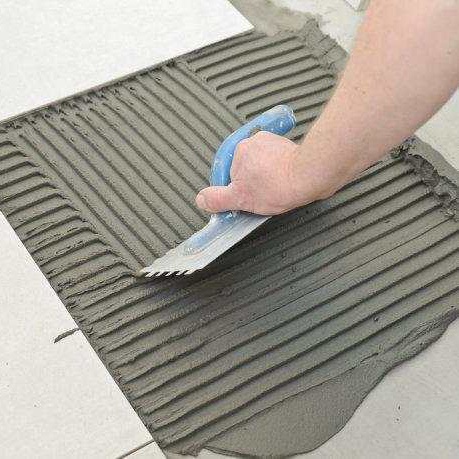
RPPs' versatility — from tile adhesives to waterproofing membranes — means their HS code must reflect multipurpose usage, avoiding misclassification and shipment bottlenecks.
| Specification | Typical Value | Unit |
|---|---|---|
| Polymer Type | Vinyl Acetate Ethylene (VAE) | - |
| Particle Size | 15-50 | microns |
| Redispersion Time | minutes | |
| Bulk Density | 400-600 | kg/m³ |
| pH (1% aqueous) | 4.5-6.5 | - |
| Packaging | 20/25 | kg bags |
Global Applications & Use Cases of Redispersible Polymer Powder HS Code
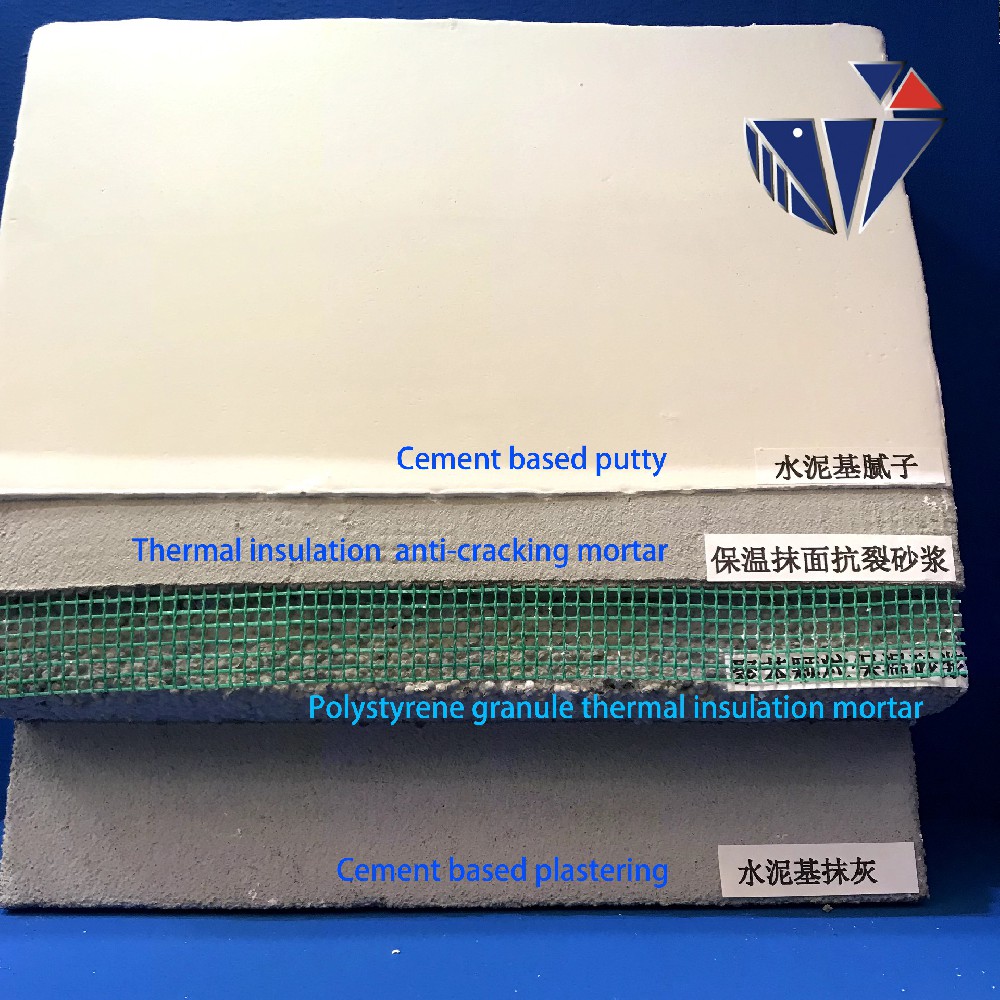
Globally, RPPs find a home in numerous industries. In Asia and Europe, manufacturers rely on these powders in tile adhesives and exterior insulation finishing systems (EIFS). NGOs use RPP-based mortars for quick shelter repairs post natural disasters, where the importance of streamlined customs via HS codes becomes glaringly clear.
- Construction: RPPs improve mortar flexibility and bonding, essential in earthquake-prone zones like Japan.
- Industrial coating: Factories in North America utilize RPPs for chemical-resistant floor coatings.
- Humanitarian aid: Rapid deployment shelters often include RPP-enhanced materials, easing rebuilding efforts post-disasters.
Advantages & Long-Term Value of Using Redispersible Polymer Powders
Cost-wise, RPPs reduce the need for expensive additives and improve material longevity, indirectly lowering repair and replacement cycles. From an environmental angle, less waste and improved durability means fewer resources consumed, a significant win in sustainable construction.
Emotionally speaking, these powders help architects and builders deliver safe, reliable structures — a promise of dignity and protection. Plus, enhanced adhesion aids innovation in creating lightweight, thin-layer coatings freeing design creativity.
Future Trends & Innovations in the Space
Eco-friendliness is the future. Research pushes toward bio-based redispersible polymer powders, aiming to reduce reliance on fossil fuels. Digital supply chain tools will integrate HS codes with blockchain for tamper-proof customs declarations. Automation in powder production optimizes particle size and re-dispersibility, translating directly into enhanced end-product performance.
Challenges & Solutions in Managing the HS Code for RPP
A key issue is inconsistent HS subheadings across regions causing delays. To counter this, companies engage with customs brokers and legal experts — a sensible practice if you ask me. Keeping close communication with suppliers ensures documentation matches product specifications, avoiding costly misclassifications.
| Vendor | HS Code Used | Compliance Regions | Lead Time (Days) | Standard Packaging |
|---|---|---|---|---|
| Vendor A (China) | 3906.90 | Asia, Europe | 10-15 | 20kg bags |
| Vendor B (Europe) | 3912.90 | Europe, North America | 7-10 | 25kg bags |
| Vendor C (USA) | 3906.90 | North America | 5-7 | 20kg bags |
FAQ: Common Questions on Redispersible Polymer Powder HS Code
Q1: What exactly is the HS code for redispersible polymer powders?
A: Typically, redispersible polymer powders fall under HS codes starting with 3906 or 3912, covering polymer powders and resins. However, classification can vary slightly by country based on additives and end use. Always consult local customs authorities or a trusted supplier for accurate classification.
Q2: Why does the correct HS code matter for importing RPPs?
A: The correct HS code ensures your shipment aligns with tariff schedules, safety regulations, and product restrictions. Misclassification can lead to costly customs delays, fines, or rejected shipments, disrupting project timelines.
Q3: How can NGOs navigate HS code challenges for humanitarian shipments?
A: NGOs often partner with local customs experts and suppliers familiar with classification nuances. Pre-clearing shipments, using trusted vendors specifying proper HS codes, and providing detailed product specs streamline international delivery.
Q4: Are there environmental regulations tied to the redispersible polymer powders’ HS code?
A: Yes, especially in the EU and North America, classification ties into compliance with REACH and TSCA. Ensuring your HS code reflects the product composition aids regulatory approval and market access.
Q5: Can the HS code affect pricing of redispersible polymer powders?
A: Definitely. Customs tariffs vary with HS codes; choosing the right category can lower import duties, impacting overall costs significantly. It’s a detail worth double-checking before placing large orders.
Conclusion & Call to Action
In real terms, mastering the redispersible polymer powder HS code can unlock smoother trade routes, cost savings, and compliance certainty for manufacturers and buyers worldwide. It’s a small but essential piece in the giant puzzle of global construction materials supply chains.
To stay ahead, dive deeper into detailed redispersible polymer powder hs code information, supplier options, and compliance guidance — visit our website today.
Cheers to smarter importing — and better building.
References:
-
Understanding Hydroxypropyl Methyl Cellulose MSDS Safety and Compliance
NewsApr.16,2026
-
Understanding the Hydroxypropyl Methyl Cellulose HS Code for Global Trade
NewsApr.09,2026
-
Comprehensive Guide to Hydroxypropyl Methyl Cellulose CAS Number and Applications
NewsApr.07,2026
-
Comprehensive Guide to Hydroxypropyl Methyl Cellulose cas no and its Diverse Applications
NewsApr.04,2026
-
Comprehensive Guide to Hydroxypropyl Methyl Cellulose Manufacturers and Applications
NewsMar.31,2026
-
Understanding Hydroxypropyl Methyl Cellulose Properties And Diverse Applications
NewsMar.28,2026