

-
 In the world of chemical additives, hec hydroxyethyl cellulose serves as a cornerstone for achieving the perfect consistency and stability in various formulations. As a non-ionic, water-soluble polymer, it is widely prized for its exceptional thickening and stabilizing properties. Whether you are formulating high-end cosmetics, industrial paints, or specialized pharmaceutical gels, understanding how to leverage this polymer can significantly enhance product quality. This guide will explore the technical nuances and industrial advantages of integrating this versatile agent into your production line.Read more
-
 HEC Cellulose: The Ultimate Guide to Hydroxyethyl Cellulose In the world of industrial additives, hec cellulose Hydroxyethyl Cellulose stands as one of the most versatile thickening agents available today. Known for its exceptional ability to increase viscosity and stabilize emulsions, this non-ionic water-soluble polymer is essential across various sectors, from paints and coatings to cosmetics and pharmaceuticals. Its unique chemical structure allows it to remain stable in high-salinity environments and varying pH levels, making it a preferred choice for formulators seeking consistency and efficiency. Understanding how to leverage its properties can significantly enhance the quality and shelf-life of your end products.Read more
-
 The Ultimate Guide to Methyl Hydroxyethyl Cellulose MHEC In the world of modern chemical additives, methyl hydroxyethyl cellulose MHEC has emerged as a critical component for enhancing the performance of construction materials and personal care products. Known for its exceptional thickening and water-retention capabilities, this cellulose ether is indispensable for ensuring the stability and durability of various industrial formulations. Whether you are looking to improve the workability of mortar or the texture of a cosmetic cream, understanding the properties of MHEC is essential. In this comprehensive guide, we will explore its chemical nature, key benefits, and the diverse industriesRead more
-
 Understanding the Power of Hydroxyethylcellulose Based Thickeners In the world of chemical formulation, achieving the perfect viscosity and stability is often the difference between a mediocre product and a market leader. hydroxyethylcellulose based polymers have emerged as a cornerstone for industries requiring high-performance thickening agents. Known for their exceptional versatility and compatibility, these water-soluble polymers provide critical rheological control in everything from pharmaceuticals to personal care products. Whether you are formulating a smooth lotion or a high-stability industrial coating, understanding the nuances of this additive is essential for optimizing product quality and shelf life.Read more
-
 The Ultimate Guide to Redispersible Powder in Modern Construction In the evolving landscape of building materials, the role of chemical additives has become indispensable for ensuring structural longevity and efficiency. Among these, redispersible powder emerges as a critical component that transforms the mechanical properties of mortars and adhesives. By enhancing adhesion and flexibility, this specialized polymer allows construction professionals to achieve superior bonding strengths even in challenging environments. Whether you are dealing with external thermal insulation systems or interior wall tiling, understanding how to optimize the use of these powders can significantly reduce cracking and improve the overall quality of the build.Read more
-
 Understanding RDP: The Secret to High-Performance Mortars In the world of modern construction and chemical additives, Redispersible Polymer Powder , commonly known as rdp , has revolutionized the way we approach dry-mix mortars. By integrating advanced polymer technology into cementitious mixtures, RDP significantly enhances the physical properties of building materials, making them more durable, flexible, and adhesive. Whether it is for tile adhesives, wall putties, or external thermal insulation systems, the use of high-quality rdp ensures that structures can withstand environmental stress and mechanical loads. This guide explores the technical nuances and practical advantages of using RDP in industrial applications.Read more
-
 The Ultimate Guide to Liquid Thickener: Optimizing Viscosity for Industrial Success In the world of chemical formulation, achieving the perfect consistency is both a science and an art. A high-quality liquid thickener is essential for ensuring that productsranging from paints and adhesives to cosmetics and detergentspossess the ideal flow characteristics and stability. Whether you are looking to prevent sedimentation or improve the application experience for the end-user, understanding how to implement thickening agents is crucial. In this comprehensive guide, we will explore the types, benefits, and technical applications of liquid thickeners to help you optimize your production process for maximum efficiency and quality.Read more
-
 When integrating chemical additives into industrial processes, safety is the first priority. The hydroxypropyl methyl cellulose msds (Material Safety Data Sheet) serves as the essential blueprint for the safe handling, storage, and transportation of HPMC. As a versatile polymer used widely in construction, pharmaceuticals, and cosmetics, understanding its chemical properties and hazard profile is crucial for workplace safety and regulatory compliance. In this guide, we will explore the critical components of the HPMC safety data sheet to ensure your operations remain efficient and accident-free.Read more
-
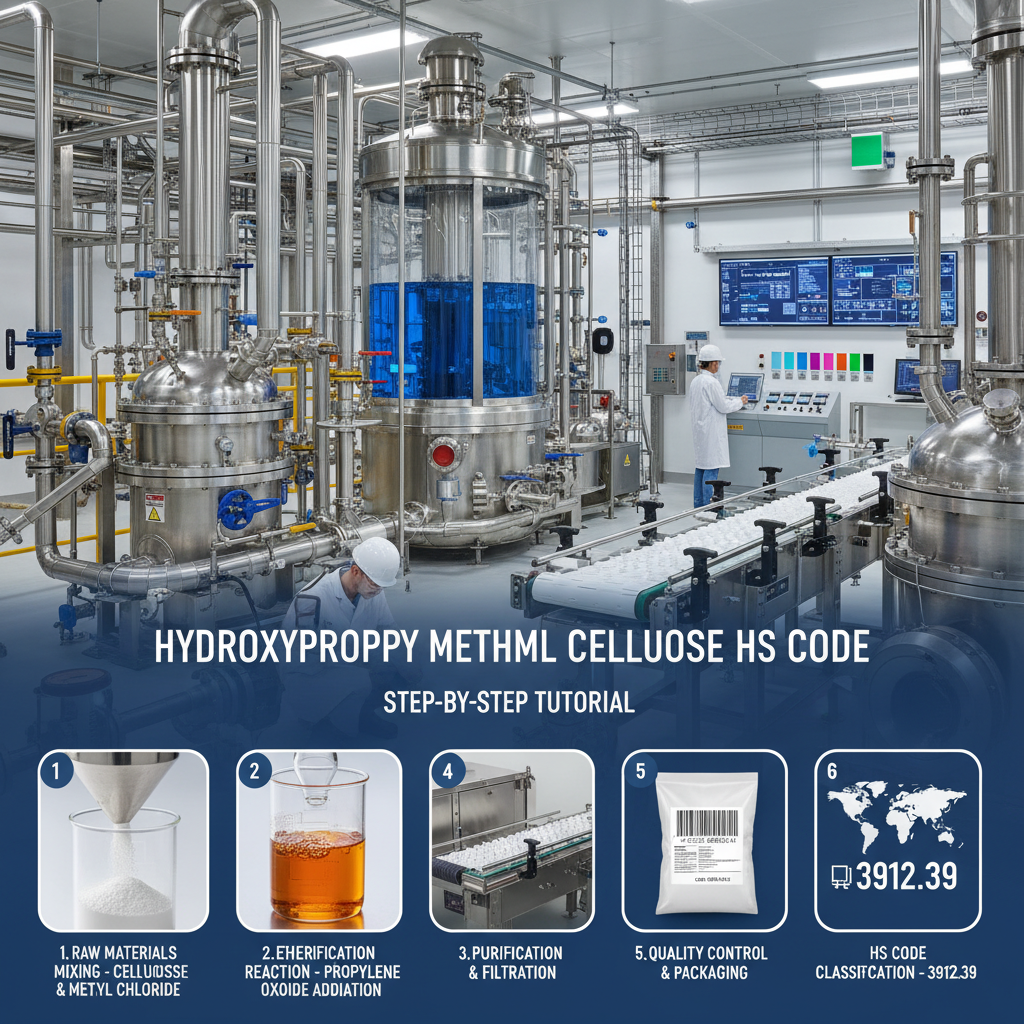 For businesses engaged in the international chemical trade, accuracy in documentation is the cornerstone of a smooth supply chain. One of the most critical elements in this process is identifying the correct hydroxypropyl methyl cellulose hs code. Hydroxypropyl Methyl Cellulose (HPMC) is a versatile polymer used extensively in construction, pharmaceuticals, and cosmetics. Misclassifying this material can lead to costly customs delays, incorrect tariff payments, or even legal complications. In this comprehensive guide, we will explore the specifics of HPMC classification, how to determine the right code for your region, and the impact of these codes on your logistics costs.Read more