
Dec . 22, 2025 11:10 Back to list
Mortar Bonding Additive: Enhance Masonry Adhesion & Durability
Understanding mortar bonding additive: The Secret Behind Stronger Masonry
Having spent quite a few years knee-deep in construction sites and mixing rooms, I can tell you there’s something oddly satisfying about getting a mortar that sticks just right. This “stickiness” is no accident—it’s often thanks to a mortar bonding additive, a product that doesn’t get nearly enough spotlight outside the industry.
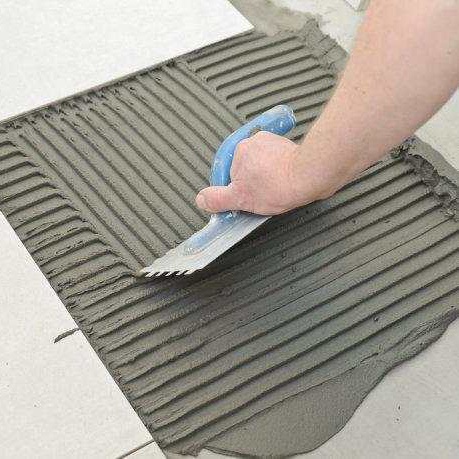
Mortar additives like these are designed to enhance the bond between a mortar mix and the substrate—say, a concrete block or brick. Frankly, in real terms, they can make the difference between walls that last for decades and those that start showing cracks or delamination much earlier than expected.
I remember working on a refurbishment of an old masonry building where the original mortar had lost adhesion, causing chunks of plaster to come off here and there. The general contractor decided to incorporate a bonding additive this time around, and the improvement was noticeably impressive. It felt like the new mortar “gripped” every surface better, even under challenging conditions.
What Exactly Is a Mortar Bonding Additive?
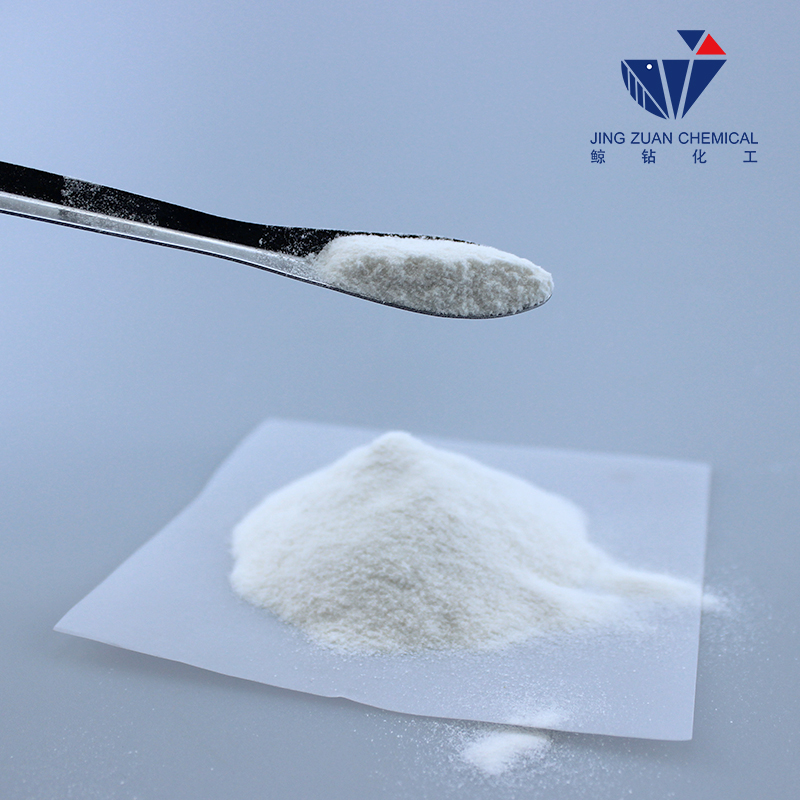
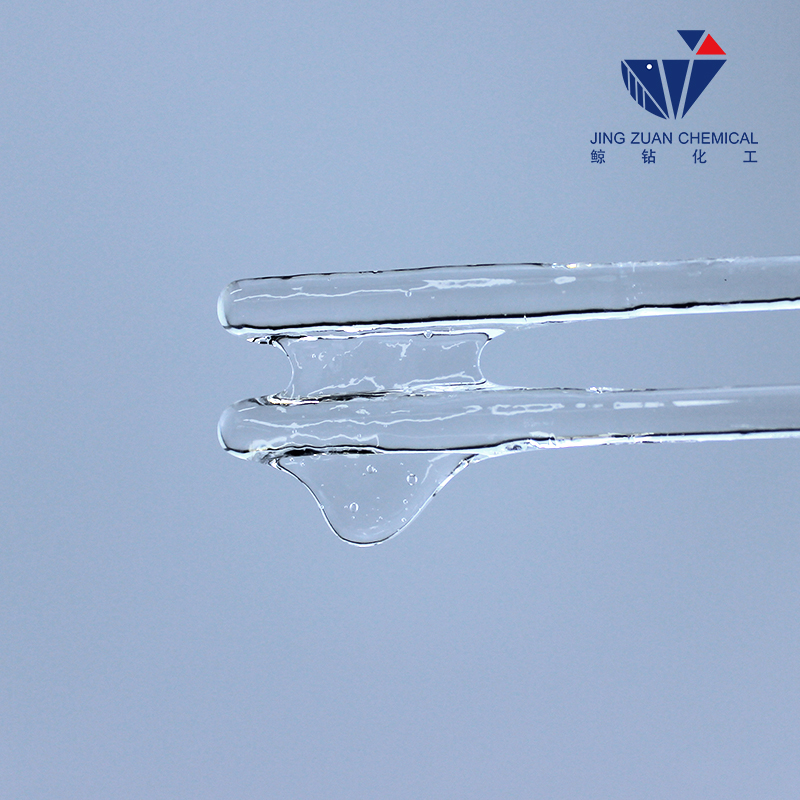
Simply put, these additives are chemical agents incorporated into mortar mixes to improve adhesion and flexibility. They usually come in liquid form or powdered concentrate and often contain polymers, acrylics, or other synthetic materials. Their job is to reduce the brittleness of mortar and help it cling better to surfaces that might otherwise reject it.
Many engineers I’ve talked to say it’s like the difference between gluing two pieces of wood with regular glue versus a flexible, industrial-strength adhesive. The flexibility component is key because masonry structures are always under slight movement or thermal expansion.
Key Product Specifications
| Property | Typical Range | Comment |
|---|---|---|
| Appearance | Milky liquid | Easy to mix |
| pH | 7.0 - 8.5 | Neutral to slightly alkaline |
| Dosage | 0.5% - 2% by volume of cement | Depends on required strength |
| Storage | 6-12 months, cool dry place | Avoid freezing |
| Compatibility | Most Portland cement mortars | Generally versatile |
Choosing the Right Supplier: A Quick Comparison
| Vendor | Product Quality | Customization Options | Delivery Lead Time | Technical Support |
|---|---|---|---|---|
| CNJZ Chemical | Excellent consistency & polymer grade | Wide range; tailored solutions | Typically 7-14 days | Responsive & knowledgeable |
| Vendor B | Good but batch variability | Limited customization | 10-21 days | Standard support only |
| Vendor C | Average, suitable for small jobs | No customization | Varies widely | Limited |
Of course, every job and environment has its nuances. For instance, if you’re working in colder climates or on historic restoration, some mortar bonding additive formulations fare better than others. It’s always worth consulting with the supplier’s technical team. I found CNJZ Chemical’s reps particularly helpful — not just salespeople, but folks who understand the chemistry and can suggest precise dosages.
One odd thing I noticed at a recent site visit was how untrained operators sometimes don’t get the mixing right, which can negate all the benefits. It’s a reminder: good products need good application. Make sure your crew understands how to use the additive—not just dumping it in but incorporating it evenly. It makes a world of difference.
In the end, mortar bonding additives may feel like a small ingredient in the grand scheme, but their impact is significant. They’re a bit like the unsung heroes of masonry, quietly ensuring that every brick and tile stay where they belong. I suppose that’s why I keep coming back to them on every project...
Takeaway? If you haven’t experimented with mortar bonding additives yet, you might want to give them a shot—it’s a small addition with big results.
References
- ACI 523R-13: Report on Bond of Masonry. American Concrete Institute.
- “Improving Mortar Flexibility and Adhesion with Polymers,” Journal of Construction Materials, 2019.
- Technical Data Sheet, CNJZ Chemical Mortar Bonding Additive, 2024.
-
Understanding Hydroxypropyl Methyl Cellulose MSDS Safety and Compliance
NewsApr.16,2026
-
Understanding the Hydroxypropyl Methyl Cellulose HS Code for Global Trade
NewsApr.09,2026
-
Comprehensive Guide to Hydroxypropyl Methyl Cellulose CAS Number and Applications
NewsApr.07,2026
-
Comprehensive Guide to Hydroxypropyl Methyl Cellulose cas no and its Diverse Applications
NewsApr.04,2026
-
Comprehensive Guide to Hydroxypropyl Methyl Cellulose Manufacturers and Applications
NewsMar.31,2026
-
Understanding Hydroxypropyl Methyl Cellulose Properties And Diverse Applications
NewsMar.28,2026