
Jun . 18, 2024 03:07 Back to list
Methyl hydroxyethyl cellulose (MHEC) is a versatile polymer.
Methyl hydroxyethyl cellulose (MHEC) is a versatile polymer that has found widespread applications in various industries due to its unique properties. In this article, we will explore the characteristics of MHEC and its potential uses in different fields.
MHEC is a modified form of cellulose, which is a naturally occurring polysaccharide found in plant cell walls. The modification process involves substituting some of the hydroxyl groups on the glucose units of cellulose with methyl and hydroxyethyl groups. This results in a polymer with improved solubility and stability compared to unmodified cellulose.
One of the most significant advantages of MHEC is its ability to form viscous solutions at low concentrations. This property makes it an ideal thickener and stabilizer for many products, including cosmetics, pharmaceuticals, and food products. In cosmetics, MHEC can be used as a thickener in creams, lotions, and shampoos, providing a smooth texture and preventing separation of ingredients. In pharmaceuticals, it can be used as a binder or disintegrant in tablets or capsules, ensuring proper release of medication. In food products, MHEC can be used as a thickener or emulsifier in sauces, dressings, and beverages.
Another important property of MHEC is its ability to form films upon drying
Another important property of MHEC is its ability to form films upon drying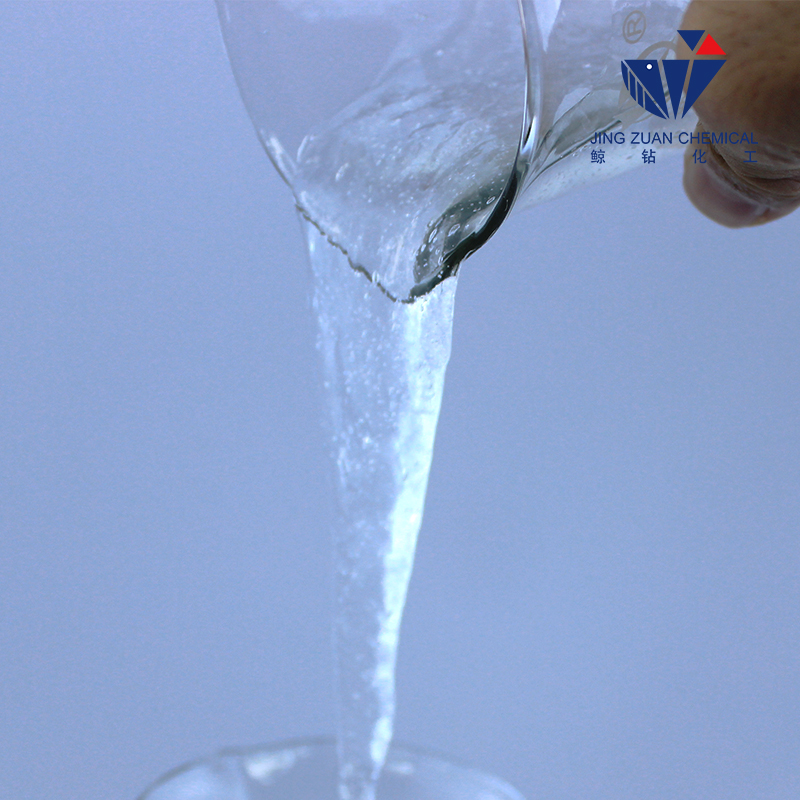 Another important property of MHEC is its ability to form films upon drying
methyl hydroxyethyl cellulose mhec. This makes it useful in the production of coatings, adhesives, and printing inks. For example, MHEC can be used as a binder in water-based paints and varnishes, providing excellent adhesion and durability. It can also be used as a film former in pressure-sensitive adhesives, allowing for strong bonding between surfaces without leaving residue upon removal.
In addition to its practical applications, MHEC has also been studied for its potential use in environmentally friendly technologies. For instance, researchers have explored using MHEC as a component of biodegradable plastics, which could help reduce the amount of non-biodegradable waste produced by traditional plastics. Furthermore, MHEC has been investigated as a soil conditioner, improving soil structure and water retention capacity while promoting plant growth.
In conclusion, methyl hydroxyethyl cellulose (MHEC) is a highly versatile polymer with numerous potential applications across various industries. Its unique properties make it an ideal thickener, stabilizer, film former, and more. As research continues on this fascinating material, we can expect to see even more innovative uses for MHEC in the future.
Another important property of MHEC is its ability to form films upon drying
Another important property of MHEC is its ability to form films upon dryingmethyl hydroxyethyl cellulose mhec. This makes it useful in the production of coatings, adhesives, and printing inks. For example, MHEC can be used as a binder in water-based paints and varnishes, providing excellent adhesion and durability. It can also be used as a film former in pressure-sensitive adhesives, allowing for strong bonding between surfaces without leaving residue upon removal.
In addition to its practical applications, MHEC has also been studied for its potential use in environmentally friendly technologies. For instance, researchers have explored using MHEC as a component of biodegradable plastics, which could help reduce the amount of non-biodegradable waste produced by traditional plastics. Furthermore, MHEC has been investigated as a soil conditioner, improving soil structure and water retention capacity while promoting plant growth.
In conclusion, methyl hydroxyethyl cellulose (MHEC) is a highly versatile polymer with numerous potential applications across various industries. Its unique properties make it an ideal thickener, stabilizer, film former, and more. As research continues on this fascinating material, we can expect to see even more innovative uses for MHEC in the future.
Another important property of MHEC is its ability to form films upon drying
Another important property of MHEC is its ability to form films upon dryingmethyl hydroxyethyl cellulose mhec. This makes it useful in the production of coatings, adhesives, and printing inks. For example, MHEC can be used as a binder in water-based paints and varnishes, providing excellent adhesion and durability. It can also be used as a film former in pressure-sensitive adhesives, allowing for strong bonding between surfaces without leaving residue upon removal.
In addition to its practical applications, MHEC has also been studied for its potential use in environmentally friendly technologies. For instance, researchers have explored using MHEC as a component of biodegradable plastics, which could help reduce the amount of non-biodegradable waste produced by traditional plastics. Furthermore, MHEC has been investigated as a soil conditioner, improving soil structure and water retention capacity while promoting plant growth.
In conclusion, methyl hydroxyethyl cellulose (MHEC) is a highly versatile polymer with numerous potential applications across various industries. Its unique properties make it an ideal thickener, stabilizer, film former, and more. As research continues on this fascinating material, we can expect to see even more innovative uses for MHEC in the future. Latest news
-
Unlocking the Benefits of HPMC Products: A Gateway to Versatile Applications
NewsAug.07,2025
-
Unleashing the Potential of HPMC Ashland: A Comprehensive Look
NewsAug.07,2025
-
Tile Bonding Cellulose: The Key to Superior Adhesion and Durability
NewsAug.07,2025
-
Hydroxypropyl Methylcellulose Powder: The Versatile Component in Modern Pharmaceuticals
NewsAug.07,2025
-
Hydroxyethyl Cellulose: The Versatile Solution for Various Industries
NewsAug.07,2025
-
Hydroxyethyl Cellulose (HEC): The Versatile Polymer for Various Applications
NewsAug.07,2025
Related PRODUCTS