

Oct . 21, 2024 16:45 Back to list
hydroxyethyl cellulose solubility
Understanding the Solubility of Hydroxyethyl Cellulose
Hydroxyethyl cellulose (HEC) is a non-ionic, water-soluble polymer derived from cellulose, renowned for its diverse applications across various industries, including pharmaceuticals, food, cosmetics, and construction. Its unique properties, particularly its solubility, play a crucial role in determining its effectiveness in these applications.
HEC is produced through the etherification of cellulose, where hydroxyethyl groups are introduced to the cellulose backbone. This modification significantly enhances its solubility in water, making it an ideal additive. One of the most notable characteristics of HEC is that it remains soluble in water across a wide range of temperatures, which is critical in formulations that require consistent viscosity under varying conditions.
Understanding the Solubility of Hydroxyethyl Cellulose
The pH of the solution can also impact HEC solubility. HEC shows high solubility at neutral to slightly alkaline pH conditions. In acidic environments, however, the solubility can be compromised, resulting in a cloudy solution. This behavior is essential for formulators, especially in the pharmaceutical sector, where pH balance can significantly impact drug solubility and stability.
hydroxyethyl cellulose solubility
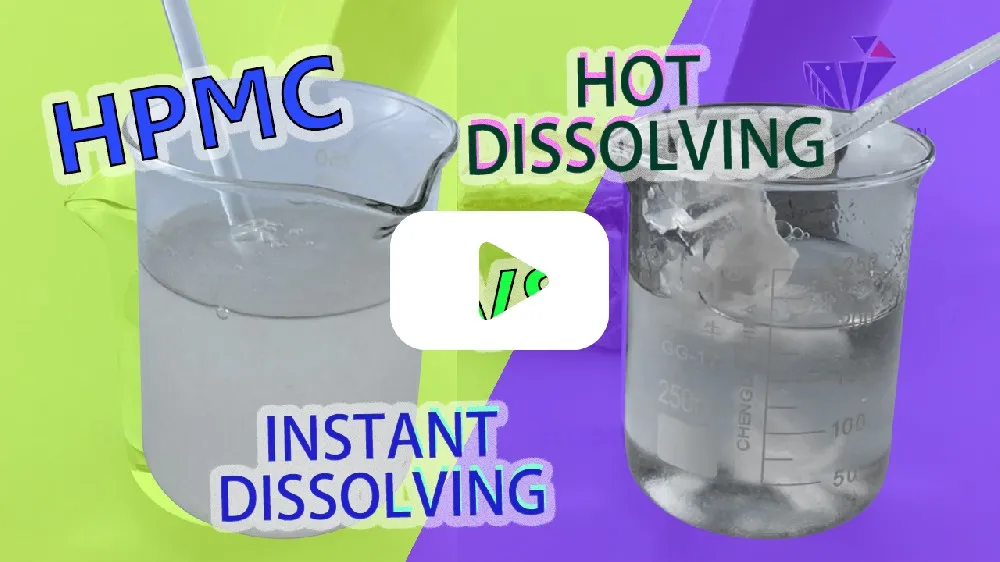
The temperature plays a critical role in the solubility of HEC as well. Higher temperatures generally enhance solubility; however, at elevated temperatures, other physical properties, such as viscosity, can change dramatically. This characteristic is invaluable in industrial applications, where heating might be used to facilitate the mixing or application of HEC-containing products.
In addition to temperature and pH, the presence of electrolytes in a solution can significantly affect HEC’s solubility. Electrolytes can disrupt the solvation shell around HEC molecules, potentially leading to reduced solubility. This factor is particularly pertinent in formulations containing salts or other ionic compounds, where careful formulation is required to maintain the desired viscosity and stability.
In practical terms, the solubility of HEC translates into its wide-ranging usability. In pharmaceuticals, it serves as a thickener, stabilizer, and suspending agent, ensuring active ingredients remain evenly distributed in liquid formulations. In food applications, it can enhance texture and provide emulsion stability. Meanwhile, in the construction industry, HEC is used in cementitious and gypsum-based products, improving workability and extending open time.
Overall, the solubility of hydroxyethyl cellulose is a multifaceted topic with significant implications for its application across various fields. By understanding the factors that influence its solubility, industries can optimize formulations, ensuring that HEC fulfills its intended role effectively. This knowledge is key to advancing both the functionality and performance of products that incorporate this versatile polymer.
-
Versatile Hpmc Uses in Different Industries
NewsJun.19,2025
-
Redispersible Powder's Role in Enhancing Durability of Construction Products
NewsJun.19,2025
-
Hydroxyethyl Cellulose Applications Driving Green Industrial Processes
NewsJun.19,2025
-
Exploring Different Redispersible Polymer Powder
NewsJun.19,2025
-
Choosing the Right Mortar Bonding Agent
NewsJun.19,2025
-
Applications and Significance of China Hpmc in Modern Industries
NewsJun.19,2025




 English
  Afrikaans
  Albanian
  Amharic
  Arabic
  Armenian
  Azerbaijani
  Basque
  Belarusian
  Bengali
  Bosnian
  Bulgarian
  Catalan
  Cebuano
  Corsican
  Croatian
  Czech
Czech  Danish
  Dutch
Dutch  Esperanto
  Estonian
  Finnish
  French
  Frisian
  Galician
  Georgian
  German
  Greek
Greek  Gujarati
  Haitian Creole
  Hausa
Hausa  Hawaiian
  Hebrew
  Hindi
Hindi  Miao
Miao  Hungarian
  Icelandic
  Igbo
Igbo  Indonesian
  Irish
Irish  Italian
  Japanese
  Javanese
  Kannada
  Kazakh
  Khmer
Khmer  Rwandese
  Korean
  Kurdish
  Kyrgyz
  Lao
Lao  Latin
Latin  Latvian
  Lithuanian
  Luxembourgish
  Macedonian
  Malgashi
  Malay
Malay  Malayalam
  Maltese
  Maori
Maori  Marathi
  Mongolian
  Myanmar
  Nepali
  Norwegian
  Norwegian
  Occitan
  Pashto
  Persian
  Polish
  Portuguese
  Punjabi
  Romanian
  Russian
  Samoan
  Scottish Gaelic
  Serbian
  Sesotho
  Shona
Shona  Sindhi
  Sinhala
  Slovak
  Slovenian
  Somali
  Spanish
  Sundanese
  Swahili
  Swedish
  Tagalog
  Tajik
Tajik  Tamil
Tamil  Tatar
Tatar  Telugu
  Thai
Thai  Turkish
  Turkmen
  Ukrainian
  Urdu
Urdu  Uighur
  Uzbek
Uzbek  Vietnamese
  Welsh
Welsh  Bantu
Bantu  Yiddish
  Yoruba
  Zulu
Zulu