

Oct . 31, 2024 00:09 Back to list
hydroxyethyl cellulose hec
Hydroxyethyl Cellulose (HEC) Properties, Applications, and Benefits
Hydroxyethyl cellulose (HEC) is a cellulose derivative that has garnered significant attention in various industries due to its unique properties and versatility. As a water-soluble polymer, HEC is formed through the reaction of ethylene oxide with cellulose, a naturally occurring polysaccharide found in the cell walls of plants. This modification endows HEC with improved solubility and a range of functional characteristics that make it useful in numerous applications.
Hydroxyethyl Cellulose (HEC) Properties, Applications, and Benefits
In addition to its use in cosmetics, HEC plays a crucial role in the food industry. It is employed as a food additive to improve the texture of products, particularly in low-fat and reduced-calorie foods, where it acts as a fat replacer. By retaining moisture and providing a creamy mouthfeel, HEC helps enhance the sensory experience of these products.
hydroxyethyl cellulose hec
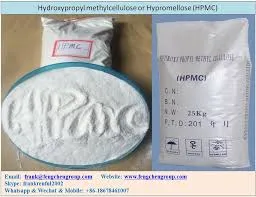
Furthermore, HEC is utilized in the pharmaceutical industry, where it serves as an excipient in drug formulations. Its biocompatibility and controlled viscosity make HEC an excellent choice for suspensions, emulsions, and controlled-release formulations. In ocular preparations, HEC is invaluable due to its ability to retain moisture, providing relief for patients suffering from dry eye conditions.
Another significant advantage of HEC is its environmental compatibility. Being derived from natural cellulose, it is biodegradable and poses minimal risk to the environment. This aligns well with the growing trend towards sustainable and eco-friendly products, as consumers increasingly prefer formulations that are safe for both human health and the planet.
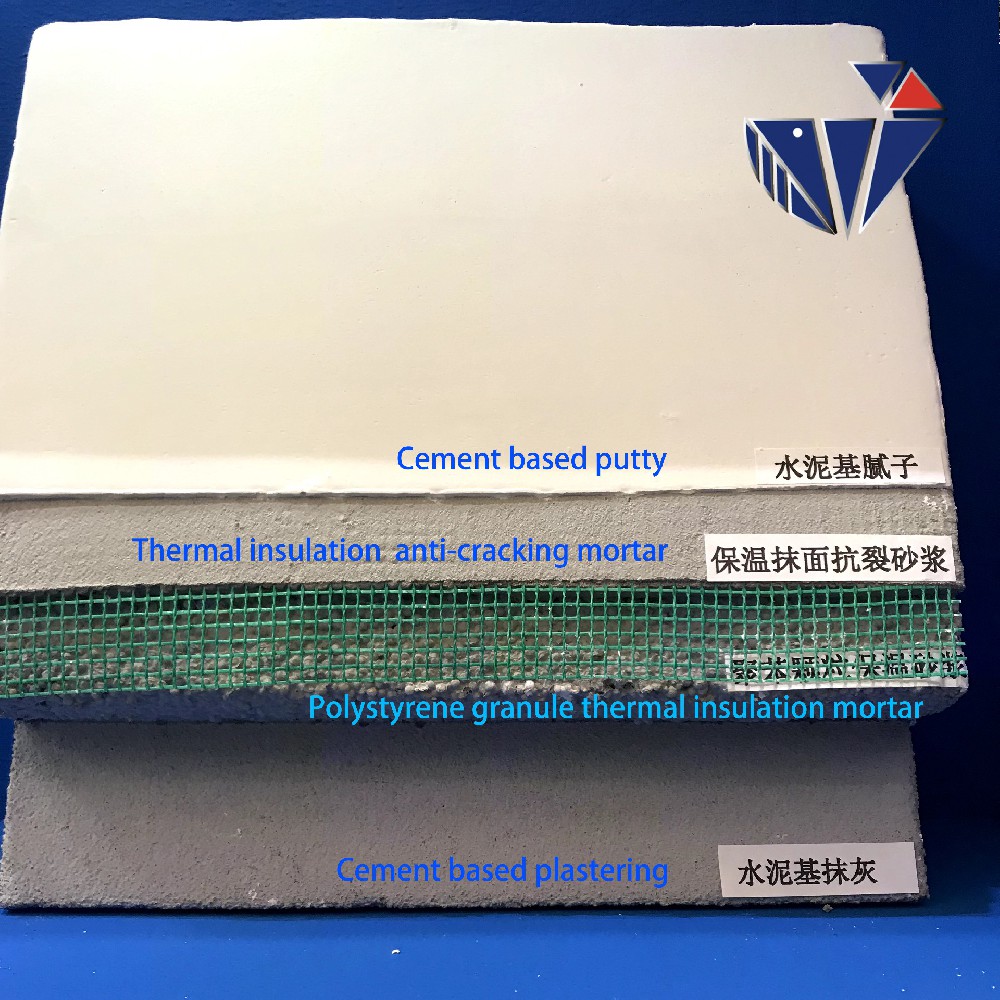
HEC's role in construction and building materials cannot be overlooked. As a key ingredient in cement-based products, it improves workability and prevents sagging during application. Additionally, its water retention properties help enhance the performance of mortars and renders, ensuring better adhesion and durability.
In summary, hydroxyethyl cellulose is a versatile and multifunctional polymer with a wide range of applications across various industries. Its unique properties, such as water solubility, viscosity modification, and environmental safety, make it an indispensable ingredient in personal care products, food formulations, pharmaceuticals, and construction materials. As research continues and industries evolve, the importance of HEC is set to grow, reinforcing its position as a valuable compound in modern formulations.
-
Versatile Hpmc Uses in Different Industries
NewsJun.19,2025
-
Redispersible Powder's Role in Enhancing Durability of Construction Products
NewsJun.19,2025
-
Hydroxyethyl Cellulose Applications Driving Green Industrial Processes
NewsJun.19,2025
-
Exploring Different Redispersible Polymer Powder
NewsJun.19,2025
-
Choosing the Right Mortar Bonding Agent
NewsJun.19,2025
-
Applications and Significance of China Hpmc in Modern Industries
NewsJun.19,2025




 English
  Afrikaans
  Albanian
  Amharic
  Arabic
  Armenian
  Azerbaijani
  Basque
  Belarusian
  Bengali
  Bosnian
  Bulgarian
  Catalan
  Cebuano
  Corsican
  Croatian
  Czech
Czech  Danish
  Dutch
Dutch  Esperanto
  Estonian
  Finnish
  French
  Frisian
  Galician
  Georgian
  German
  Greek
Greek  Gujarati
  Haitian Creole
  Hausa
Hausa  Hawaiian
  Hebrew
  Hindi
Hindi  Miao
Miao  Hungarian
  Icelandic
  Igbo
Igbo  Indonesian
  Irish
Irish  Italian
  Japanese
  Javanese
  Kannada
  Kazakh
  Khmer
Khmer  Rwandese
  Korean
  Kurdish
  Kyrgyz
  Lao
Lao  Latin
Latin  Latvian
  Lithuanian
  Luxembourgish
  Macedonian
  Malgashi
  Malay
Malay  Malayalam
  Maltese
  Maori
Maori  Marathi
  Mongolian
  Myanmar
  Nepali
  Norwegian
  Norwegian
  Occitan
  Pashto
  Persian
  Polish
  Portuguese
  Punjabi
  Romanian
  Russian
  Samoan
  Scottish Gaelic
  Serbian
  Sesotho
  Shona
Shona  Sindhi
  Sinhala
  Slovak
  Slovenian
  Somali
  Spanish
  Sundanese
  Swahili
  Swedish
  Tagalog
  Tajik
Tajik  Tamil
Tamil  Tatar
Tatar  Telugu
  Thai
Thai  Turkish
  Turkmen
  Ukrainian
  Urdu
Urdu  Uighur
  Uzbek
Uzbek  Vietnamese
  Welsh
Welsh  Bantu
Bantu  Yiddish
  Yoruba
  Zulu
Zulu