

Nov . 01, 2024 11:39 Back to list
Applications of Hydroxyethyl Cellulose in Paint Formulations and Coatings Industry
The Importance of Hydroxyethyl Cellulose in Paint Formulations
Hydroxyethyl cellulose (HEC) is a water-soluble polymer derived from cellulose that has gained significant traction in the paint industry due to its unique properties and versatile applications. As a thickening agent, HEC enhances the performance and usability of paint formulations, making it an essential component for manufacturers seeking high-quality end products.
The Importance of Hydroxyethyl Cellulose in Paint Formulations
In addition to improving viscosity, hydroxyethyl cellulose acts as a suspending agent, preventing the settling of pigments and fillers within the paint. This property ensures that the paint remains homogenous over time, allowing for consistent color and texture across the application. Furthermore, HEC provides excellent water retention properties, which are vital for ensuring that the paint does not dry too quickly. This slow-drying characteristic enables better workability, allowing painters ample time to apply and manipulate the paint before it sets.
hydroxyethyl cellulose for paint
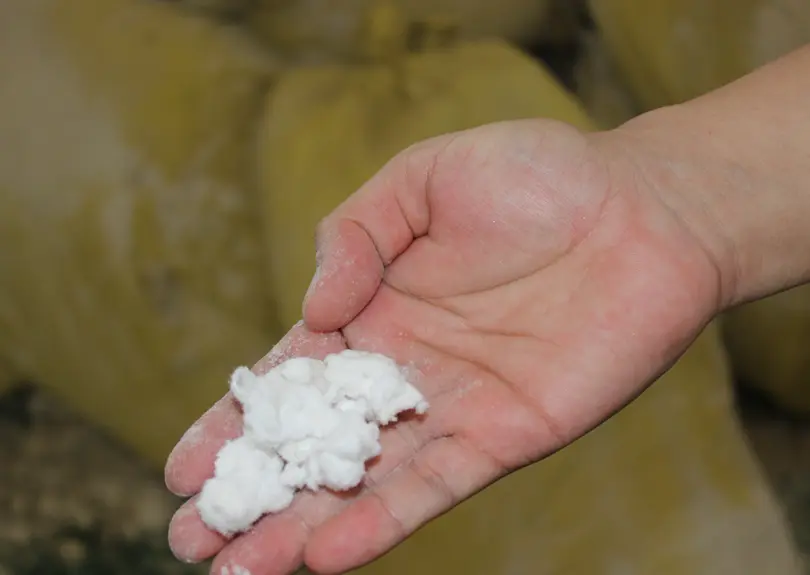
Another significant benefit of HEC is its compatibility with various additives and other components typically used in paint formulations. It can work in conjunction with various surfactants, biocides, and dispersants without compromising the overall performance of the product. This compatibility is essential for manufacturers aiming to create specialty paints that may require specific functionalities while maintaining a stable mixture.
Moreover, HEC enhances the environmental profile of paint products. Being non-toxic and biodegradable, it can be an attractive option for manufacturers looking to develop eco-friendly paints that meet the demands of environmentally conscious consumers. With the paint industry increasingly moving towards sustainable practices, the incorporation of HEC can help align products with green certifications.
In conclusion, hydroxyethyl cellulose plays a crucial role in the paint industry, significantly contributing to the formulation of high-performing, stable, and eco-friendly paints. Its properties, such as viscosity enhancement, suspension stability, and environmental safety, make it a valuable additive for manufacturers striving to deliver superior paint products that meet both consumer expectations and industry standards. As the demand for innovative paint solutions grows, the importance of HEC will undoubtedly continue to rise.
-
Unlocking the Benefits of HPMC Products: A Gateway to Versatile Applications
NewsAug.07,2025
-
Unleashing the Potential of HPMC Ashland: A Comprehensive Look
NewsAug.07,2025
-
Tile Bonding Cellulose: The Key to Superior Adhesion and Durability
NewsAug.07,2025
-
Hydroxypropyl Methylcellulose Powder: The Versatile Component in Modern Pharmaceuticals
NewsAug.07,2025
-
Hydroxyethyl Cellulose: The Versatile Solution for Various Industries
NewsAug.07,2025
-
Hydroxyethyl Cellulose (HEC): The Versatile Polymer for Various Applications
NewsAug.07,2025




 English
  Afrikaans
  Albanian
  Amharic
  Arabic
  Armenian
  Azerbaijani
  Basque
  Belarusian
  Bengali
  Bosnian
  Bulgarian
  Catalan
  Cebuano
  Corsican
  Croatian
  Czech
Czech  Danish
  Dutch
Dutch  Esperanto
  Estonian
  Finnish
  French
  Frisian
  Galician
  Georgian
  German
  Greek
Greek  Gujarati
  Haitian Creole
  Hausa
Hausa  Hawaiian
  Hebrew
  Hindi
Hindi  Miao
Miao  Hungarian
  Icelandic
  Igbo
Igbo  Indonesian
  Irish
Irish  Italian
  Japanese
  Javanese
  Kannada
  Kazakh
  Khmer
Khmer  Rwandese
  Korean
  Kurdish
  Kyrgyz
  Lao
Lao  Latin
Latin  Latvian
  Lithuanian
  Luxembourgish
  Macedonian
  Malgashi
  Malay
Malay  Malayalam
  Maltese
  Maori
Maori  Marathi
  Mongolian
  Myanmar
  Nepali
  Norwegian
  Norwegian
  Occitan
  Pashto
  Persian
  Polish
  Portuguese
  Punjabi
  Romanian
  Russian
  Samoan
  Scottish Gaelic
  Serbian
  Sesotho
  Shona
Shona  Sindhi
  Sinhala
  Slovak
  Slovenian
  Somali
  Spanish
  Sundanese
  Swahili
  Swedish
  Tagalog
  Tajik
Tajik  Tamil
Tamil  Tatar
Tatar  Telugu
  Thai
Thai  Turkish
  Turkmen
  Ukrainian
  Urdu
Urdu  Uighur
  Uzbek
Uzbek  Vietnamese
  Welsh
Welsh  Bantu
Bantu  Yiddish
  Yoruba
  Zulu
Zulu