

Jun . 13, 2024 15:53 Back to list
Hydroxyethylcellulose powder, a versatile thickening agent, enhances product consistency.
Understanding Hydroxyethyl Cellulose (HEC) Powder A Versatile Polysaccharide Solution
Hydroxyethyl cellulose (HEC), a highly versatile and widely used industrial polymer, is a modified form of natural cellulose. It is derived from cellulose, the primary structural component of plant cell walls, through an alkali-catalyzed etherification process with ethylene oxide. The end product, HEC powder, finds extensive applications in various industries due to its unique properties.
HEC powder is a white, odorless, and tasteless solid that easily dissolves in cold or hot water, forming a clear, non-ionic solution. Its chemical structure imparts it with excellent thickening, suspending, stabilizing, and film-forming capabilities, making it a preferred choice in numerous formulations.
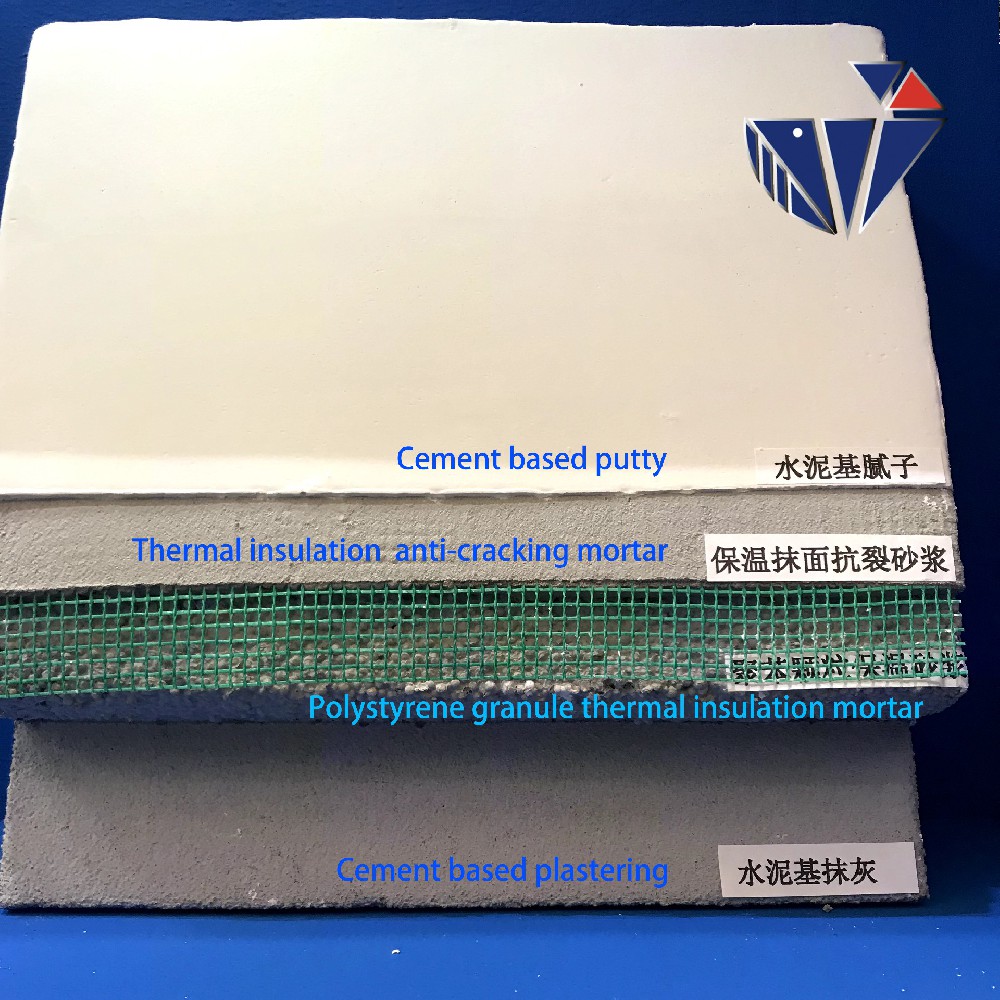
In the construction industry, HEC powder is a key ingredient in tile adhesives, mortar, and plasters. It improves workability, reduces water demand, and enhances the mechanical strength and durability of these materials. Its ability to control water retention and prevent cracking makes it invaluable in concrete mixes.
In the pharmaceutical sector, HEC serves as a binder, disintegrant, and viscosity enhancer in tablet formulations. It also plays a crucial role in controlled drug release systems due to its ability to form gel matrices. In cosmetics, HEC powder is used as a stabilizer and emulsion stabilizer in lotions, creams, and hair care products, ensuring their smooth texture and consistent performance.
The food industry also benefits from HEC's properties
The food industry also benefits from HEC's properties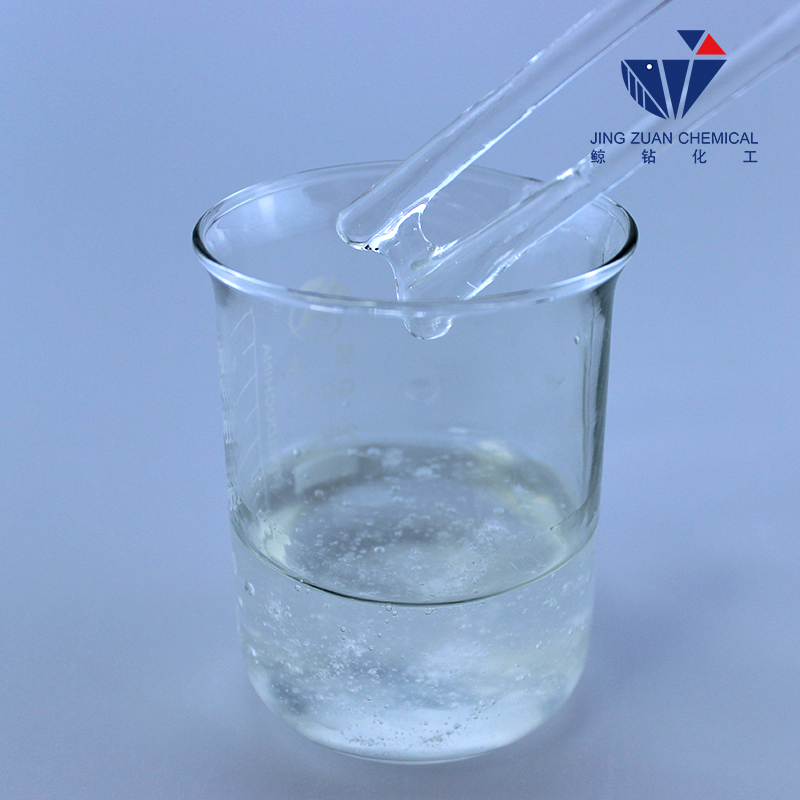 The food industry also benefits from HEC's properties
hydroxyethylcellulose powder. It is approved as a food additive (E464) and used as a thickener, emulsifier, and stabilizer in products like ice cream, sauces, and salad dressings. Moreover, it is gluten-free, making it a suitable ingredient for gluten-sensitive consumers.
Furthermore, HEC finds applications in oil drilling fluids, where it prevents fluid loss, enhances wellbore stability, and lubricates drilling tools. In paints and coatings, it improves flow, leveling, and gloss retention, while in textiles, it is employed in sizing and printing processes.
The versatility of hydroxyethyl cellulose powder lies in its tunable properties. The concentration, molecular weight, and degree of substitution can be adjusted to meet specific application requirements. This adaptability, coupled with its non-toxicity and biodegradability, has led to its wide acceptance across industries.
In conclusion, hydroxyethyl cellulose powder is a remarkable innovation in the world of polymers, offering a sustainable and multifunctional solution to diverse industrial challenges. As technology advances, the potential uses of HEC are likely to expand even further, underlining its importance in modern manufacturing processes.
The food industry also benefits from HEC's properties
The food industry also benefits from HEC's propertieshydroxyethylcellulose powder. It is approved as a food additive (E464) and used as a thickener, emulsifier, and stabilizer in products like ice cream, sauces, and salad dressings. Moreover, it is gluten-free, making it a suitable ingredient for gluten-sensitive consumers.
Furthermore, HEC finds applications in oil drilling fluids, where it prevents fluid loss, enhances wellbore stability, and lubricates drilling tools. In paints and coatings, it improves flow, leveling, and gloss retention, while in textiles, it is employed in sizing and printing processes.
The versatility of hydroxyethyl cellulose powder lies in its tunable properties. The concentration, molecular weight, and degree of substitution can be adjusted to meet specific application requirements. This adaptability, coupled with its non-toxicity and biodegradability, has led to its wide acceptance across industries.
In conclusion, hydroxyethyl cellulose powder is a remarkable innovation in the world of polymers, offering a sustainable and multifunctional solution to diverse industrial challenges. As technology advances, the potential uses of HEC are likely to expand even further, underlining its importance in modern manufacturing processes.
The food industry also benefits from HEC's properties
The food industry also benefits from HEC's propertieshydroxyethylcellulose powder. It is approved as a food additive (E464) and used as a thickener, emulsifier, and stabilizer in products like ice cream, sauces, and salad dressings. Moreover, it is gluten-free, making it a suitable ingredient for gluten-sensitive consumers.
Furthermore, HEC finds applications in oil drilling fluids, where it prevents fluid loss, enhances wellbore stability, and lubricates drilling tools. In paints and coatings, it improves flow, leveling, and gloss retention, while in textiles, it is employed in sizing and printing processes.
The versatility of hydroxyethyl cellulose powder lies in its tunable properties. The concentration, molecular weight, and degree of substitution can be adjusted to meet specific application requirements. This adaptability, coupled with its non-toxicity and biodegradability, has led to its wide acceptance across industries.
In conclusion, hydroxyethyl cellulose powder is a remarkable innovation in the world of polymers, offering a sustainable and multifunctional solution to diverse industrial challenges. As technology advances, the potential uses of HEC are likely to expand even further, underlining its importance in modern manufacturing processes. Latest news
-
Versatile Hpmc Uses in Different Industries
NewsJun.19,2025
-
Redispersible Powder's Role in Enhancing Durability of Construction Products
NewsJun.19,2025
-
Hydroxyethyl Cellulose Applications Driving Green Industrial Processes
NewsJun.19,2025
-
Exploring Different Redispersible Polymer Powder
NewsJun.19,2025
-
Choosing the Right Mortar Bonding Agent
NewsJun.19,2025
-
Applications and Significance of China Hpmc in Modern Industries
NewsJun.19,2025
Related PRODUCTS




 English
  Afrikaans
  Albanian
  Amharic
  Arabic
  Armenian
  Azerbaijani
  Basque
  Belarusian
  Bengali
  Bosnian
  Bulgarian
  Catalan
  Cebuano
  Corsican
  Croatian
  Czech
Czech  Danish
  Dutch
Dutch  Esperanto
  Estonian
  Finnish
  French
  Frisian
  Galician
  Georgian
  German
  Greek
Greek  Gujarati
  Haitian Creole
  Hausa
Hausa  Hawaiian
  Hebrew
  Hindi
Hindi  Miao
Miao  Hungarian
  Icelandic
  Igbo
Igbo  Indonesian
  Irish
Irish  Italian
  Japanese
  Javanese
  Kannada
  Kazakh
  Khmer
Khmer  Rwandese
  Korean
  Kurdish
  Kyrgyz
  Lao
Lao  Latin
Latin  Latvian
  Lithuanian
  Luxembourgish
  Macedonian
  Malgashi
  Malay
Malay  Malayalam
  Maltese
  Maori
Maori  Marathi
  Mongolian
  Myanmar
  Nepali
  Norwegian
  Norwegian
  Occitan
  Pashto
  Persian
  Polish
  Portuguese
  Punjabi
  Romanian
  Russian
  Samoan
  Scottish Gaelic
  Serbian
  Sesotho
  Shona
Shona  Sindhi
  Sinhala
  Slovak
  Slovenian
  Somali
  Spanish
  Sundanese
  Swahili
  Swedish
  Tagalog
  Tajik
Tajik  Tamil
Tamil  Tatar
Tatar  Telugu
  Thai
Thai  Turkish
  Turkmen
  Ukrainian
  Urdu
Urdu  Uighur
  Uzbek
Uzbek  Vietnamese
  Welsh
Welsh  Bantu
Bantu  Yiddish
  Yoruba
  Zulu
Zulu