

Jun . 13, 2024 11:04 Back to list
Hydroxyethyl cellulose, a water-soluble polymer, is commonly used in various industries.
Understanding Hydroxyethyl Cellulose A Versatile Polymer in Modern Applications
Hydroxyethyl cellulose (HEC), a derivative of the naturally occurring cellulose, is a water-soluble polymer that has found extensive use across various industries due to its unique properties and versatility. The compound, with a chemical formula (C6H14O5)n(C2H5OH)2, is formed by the reaction of cellulose with ethylene oxide, resulting in hydroxyethyl groups attached to the cellulose backbone.
Cellulose, the primary structural component of plant cell walls, is the most abundant organic polymer on Earth. Hydroxyethylation, the process by which HEC is derived, enhances the solubility of cellulose in water, making it suitable for applications where pure cellulose would be insoluble. The degree of substitution, or the percentage of cellulose's hydroxyl groups replaced by hydroxyethyl groups, determines the properties of the final product. Higher substitution rates lead to increased solubility and viscosity.
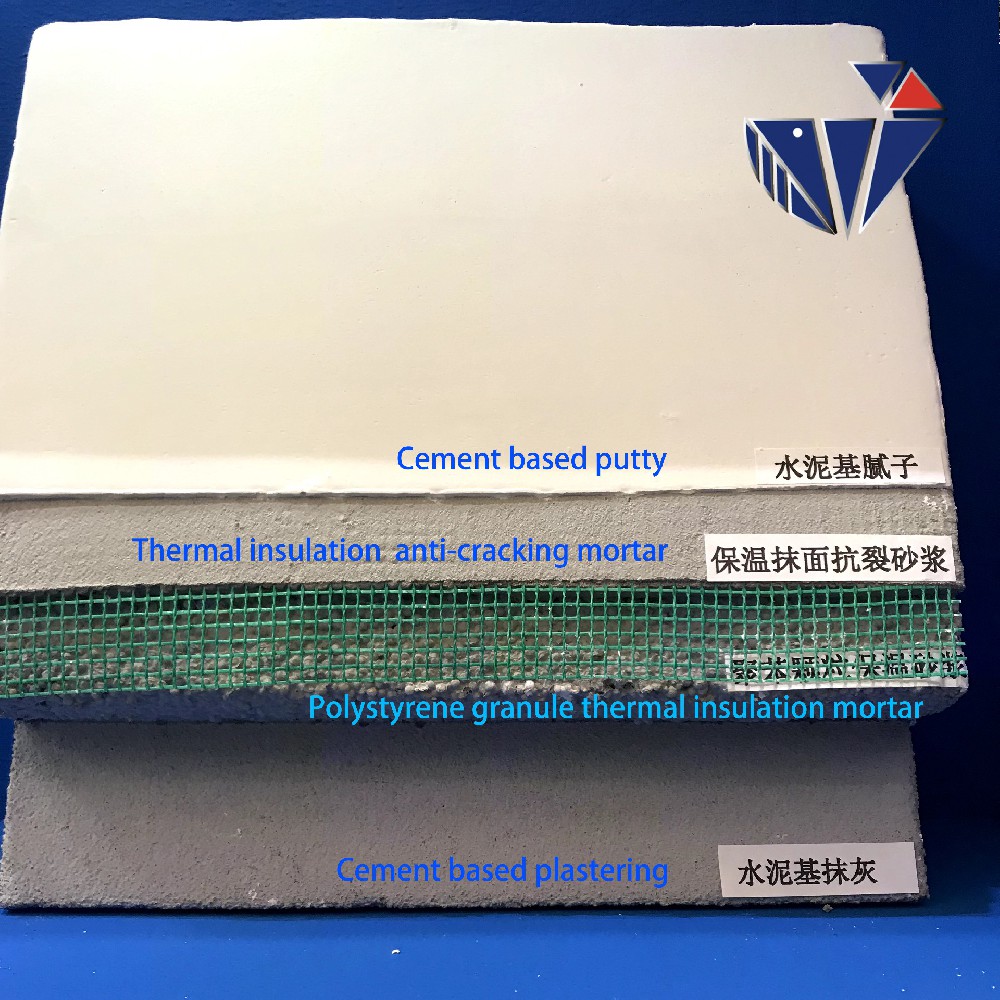
In the construction industry, HEC is used as a thickener and stabilizer in mortar, plaster, and paint formulations. Its ability to control water content and improve workability makes it an essential ingredient in these applications. It also acts as a retarder, slowing down the setting time of cement, allowing for extended workability periods.
In the pharmaceutical sector, HEC serves as a binder, disintegrant, and viscosity enhancer in tablet formulations
In the pharmaceutical sector, HEC serves as a binder, disintegrant, and viscosity enhancer in tablet formulations In the pharmaceutical sector, HEC serves as a binder, disintegrant, and viscosity enhancer in tablet formulations
hydroxyéthyl cellulose. It is also used in ophthalmic solutions due to its non-irritating nature and ability to form gels.
The cosmetic industry harnesses HEC's emulsifying and thickening properties in lotions, shampoos, and toothpaste, providing a smooth texture and enhancing product stability. Additionally, it is used as a film-forming agent in hair and skin care products.
Furthermore, HEC finds application in the food industry as a food additive, primarily as a thickener and stabilizer in sauces, dressings, and ice cream. It is also used in the oil and gas industry for drilling fluids, helping to prevent well bore instability and improve fluid rheology.
In conclusion, hydroxyethyl cellulose, with its wide range of applications, showcases the potential of chemically modified natural polymers in modern technology. Its ability to adapt to different environments and fulfill diverse functions is a testament to the ingenuity of chemical engineering. As research continues, we can expect even more innovative uses of HEC in the future, further solidifying its position as a versatile and indispensable material in various industries.
In the pharmaceutical sector, HEC serves as a binder, disintegrant, and viscosity enhancer in tablet formulations
In the pharmaceutical sector, HEC serves as a binder, disintegrant, and viscosity enhancer in tablet formulationshydroxyéthyl cellulose. It is also used in ophthalmic solutions due to its non-irritating nature and ability to form gels.
The cosmetic industry harnesses HEC's emulsifying and thickening properties in lotions, shampoos, and toothpaste, providing a smooth texture and enhancing product stability. Additionally, it is used as a film-forming agent in hair and skin care products.
Furthermore, HEC finds application in the food industry as a food additive, primarily as a thickener and stabilizer in sauces, dressings, and ice cream. It is also used in the oil and gas industry for drilling fluids, helping to prevent well bore instability and improve fluid rheology.
In conclusion, hydroxyethyl cellulose, with its wide range of applications, showcases the potential of chemically modified natural polymers in modern technology. Its ability to adapt to different environments and fulfill diverse functions is a testament to the ingenuity of chemical engineering. As research continues, we can expect even more innovative uses of HEC in the future, further solidifying its position as a versatile and indispensable material in various industries.
In the pharmaceutical sector, HEC serves as a binder, disintegrant, and viscosity enhancer in tablet formulations
In the pharmaceutical sector, HEC serves as a binder, disintegrant, and viscosity enhancer in tablet formulationshydroxyéthyl cellulose. It is also used in ophthalmic solutions due to its non-irritating nature and ability to form gels.
The cosmetic industry harnesses HEC's emulsifying and thickening properties in lotions, shampoos, and toothpaste, providing a smooth texture and enhancing product stability. Additionally, it is used as a film-forming agent in hair and skin care products.
Furthermore, HEC finds application in the food industry as a food additive, primarily as a thickener and stabilizer in sauces, dressings, and ice cream. It is also used in the oil and gas industry for drilling fluids, helping to prevent well bore instability and improve fluid rheology.
In conclusion, hydroxyethyl cellulose, with its wide range of applications, showcases the potential of chemically modified natural polymers in modern technology. Its ability to adapt to different environments and fulfill diverse functions is a testament to the ingenuity of chemical engineering. As research continues, we can expect even more innovative uses of HEC in the future, further solidifying its position as a versatile and indispensable material in various industries. Latest news
-
Versatile Hpmc Uses in Different Industries
NewsJun.19,2025
-
Redispersible Powder's Role in Enhancing Durability of Construction Products
NewsJun.19,2025
-
Hydroxyethyl Cellulose Applications Driving Green Industrial Processes
NewsJun.19,2025
-
Exploring Different Redispersible Polymer Powder
NewsJun.19,2025
-
Choosing the Right Mortar Bonding Agent
NewsJun.19,2025
-
Applications and Significance of China Hpmc in Modern Industries
NewsJun.19,2025
Related PRODUCTS



 English
  Afrikaans
  Albanian
  Amharic
  Arabic
  Armenian
  Azerbaijani
  Basque
  Belarusian
  Bengali
  Bosnian
  Bulgarian
  Catalan
  Cebuano
  Corsican
  Croatian
  Czech
Czech  Danish
  Dutch
Dutch  Esperanto
  Estonian
  Finnish
  French
  Frisian
  Galician
  Georgian
  German
  Greek
Greek  Gujarati
  Haitian Creole
  Hausa
Hausa  Hawaiian
  Hebrew
  Hindi
Hindi  Miao
Miao  Hungarian
  Icelandic
  Igbo
Igbo  Indonesian
  Irish
Irish  Italian
  Japanese
  Javanese
  Kannada
  Kazakh
  Khmer
Khmer  Rwandese
  Korean
  Kurdish
  Kyrgyz
  Lao
Lao  Latin
Latin  Latvian
  Lithuanian
  Luxembourgish
  Macedonian
  Malgashi
  Malay
Malay  Malayalam
  Maltese
  Maori
Maori  Marathi
  Mongolian
  Myanmar
  Nepali
  Norwegian
  Norwegian
  Occitan
  Pashto
  Persian
  Polish
  Portuguese
  Punjabi
  Romanian
  Russian
  Samoan
  Scottish Gaelic
  Serbian
  Sesotho
  Shona
Shona  Sindhi
  Sinhala
  Slovak
  Slovenian
  Somali
  Spanish
  Sundanese
  Swahili
  Swedish
  Tagalog
  Tajik
Tajik  Tamil
Tamil  Tatar
Tatar  Telugu
  Thai
Thai  Turkish
  Turkmen
  Ukrainian
  Urdu
Urdu  Uighur
  Uzbek
Uzbek  Vietnamese
  Welsh
Welsh  Bantu
Bantu  Yiddish
  Yoruba
  Zulu
Zulu