

Jun . 13, 2024 15:38 Back to list
Hydroxy methyl cellulose, a common additive in various industries.
Understanding Hydroxypropyl Methylcellulose A Versatile Polysaccharide
Hydroxypropyl methylcellulose (HPMC), a derivative of cellulose, is a highly versatile and widely used polymer in various industries. It is formed through the chemical modification of natural cellulose, a major constituent of plant cell walls, by introducing hydroxypropyl and methyl groups. This process enhances its solubility and stability, making HPMC an ideal choice for applications where native cellulose's properties fall short.
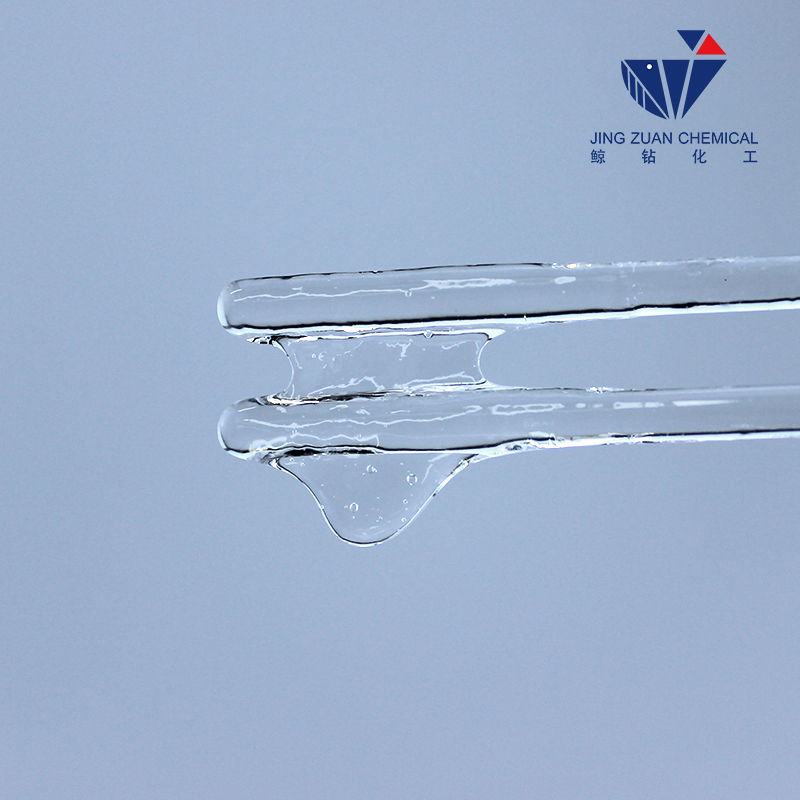
Cellulose, being an inert material, is not soluble in water or most organic solvents. However, the introduction of hydroxypropyl and methyl groups in HPMC imparts it with unique characteristics. The hydroxypropyl group improves its solubility, while the methyl group increases its stability and reduces its crystallinity. This makes HPMC soluble in cold and hot water, forming a clear, viscous solution.
In the pharmaceutical industry, HPMC is a key ingredient in the formulation of tablets and capsules as a binder, disintegrant, and coating agent. Its ability to form a gel upon hydration aids in tablet formation and ensures controlled drug release. Moreover, it is often used as an excipient due to its non-toxic nature, making it safe for human consumption.
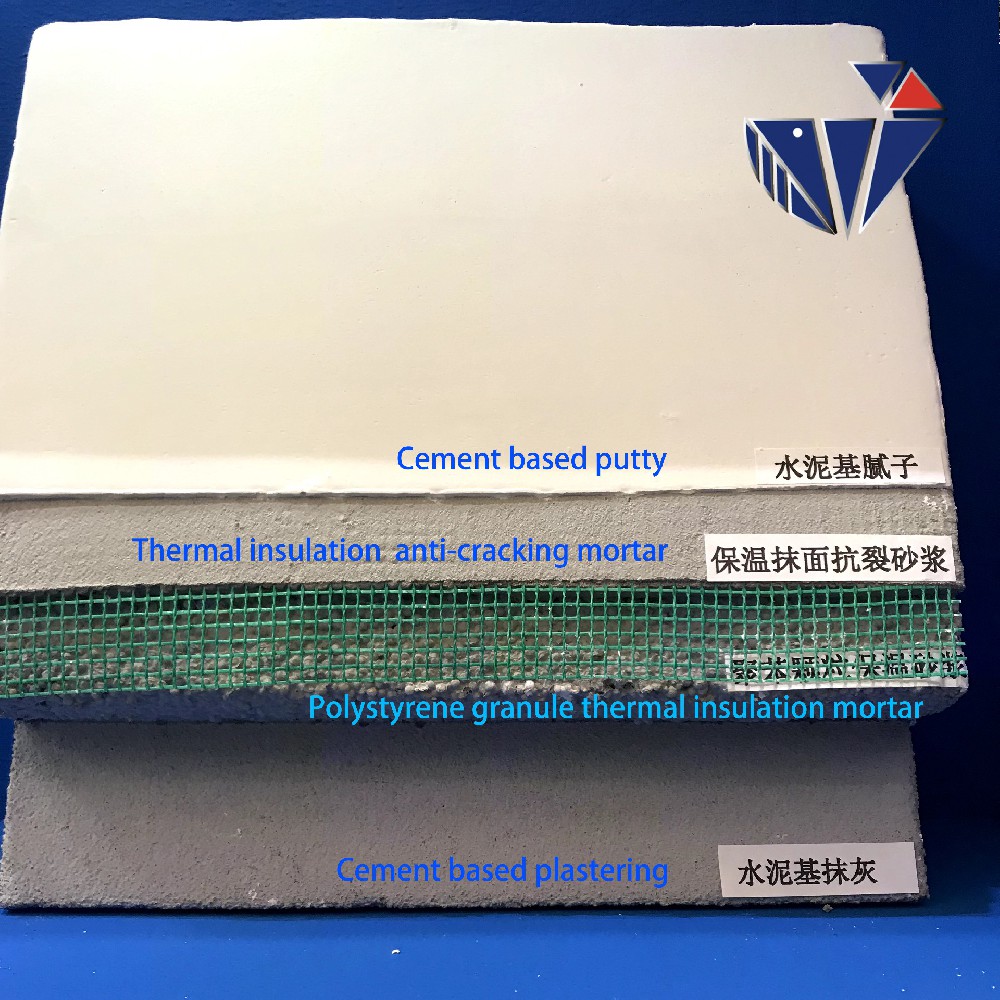
In the construction sector, HPMC finds application as a thickener and stabilizer in mortar and plaster. Its water retention properties prevent premature drying, improving workability and durability Its water retention properties prevent premature drying, improving workability and durability Its water retention properties prevent premature drying, improving workability and durability Its water retention properties prevent premature drying, improving workability and durabilityhydroxy methyl cellulose. It also acts as a retarder, slowing down the setting time of cement, providing more flexibility during construction.
The food industry also benefits from HPMC's properties. It is used as a food additive, primarily as a thickening and stabilizing agent in products like jams, jellies, and ice cream. It can also replace fat in low-fat products, contributing to a creamy texture without adding calories.
Furthermore, HPMC is utilized in the cosmetic industry for its emulsifying and film-forming abilities. It is commonly found in hair care products, providing viscosity and conditioning properties, and in skincare products, where it forms a protective film on the skin.
In conclusion, hydroxypropyl methylcellulose is a multifaceted material, leveraging the inherent strength of cellulose while overcoming its limitations. Its widespread use across industries underscores its importance and versatility. As research continues to explore new applications, HPMC's role in the future of various sectors is expected to grow even further.
Its water retention properties prevent premature drying, improving workability and durability Its water retention properties prevent premature drying, improving workability and durabilityhydroxy methyl cellulose. It also acts as a retarder, slowing down the setting time of cement, providing more flexibility during construction.
The food industry also benefits from HPMC's properties. It is used as a food additive, primarily as a thickening and stabilizing agent in products like jams, jellies, and ice cream. It can also replace fat in low-fat products, contributing to a creamy texture without adding calories.
Furthermore, HPMC is utilized in the cosmetic industry for its emulsifying and film-forming abilities. It is commonly found in hair care products, providing viscosity and conditioning properties, and in skincare products, where it forms a protective film on the skin.
In conclusion, hydroxypropyl methylcellulose is a multifaceted material, leveraging the inherent strength of cellulose while overcoming its limitations. Its widespread use across industries underscores its importance and versatility. As research continues to explore new applications, HPMC's role in the future of various sectors is expected to grow even further.
Its water retention properties prevent premature drying, improving workability and durability Its water retention properties prevent premature drying, improving workability and durabilityhydroxy methyl cellulose. It also acts as a retarder, slowing down the setting time of cement, providing more flexibility during construction.
The food industry also benefits from HPMC's properties. It is used as a food additive, primarily as a thickening and stabilizing agent in products like jams, jellies, and ice cream. It can also replace fat in low-fat products, contributing to a creamy texture without adding calories.
Furthermore, HPMC is utilized in the cosmetic industry for its emulsifying and film-forming abilities. It is commonly found in hair care products, providing viscosity and conditioning properties, and in skincare products, where it forms a protective film on the skin.
In conclusion, hydroxypropyl methylcellulose is a multifaceted material, leveraging the inherent strength of cellulose while overcoming its limitations. Its widespread use across industries underscores its importance and versatility. As research continues to explore new applications, HPMC's role in the future of various sectors is expected to grow even further. Latest news
-
Versatile Hpmc Uses in Different Industries
NewsJun.19,2025
-
Redispersible Powder's Role in Enhancing Durability of Construction Products
NewsJun.19,2025
-
Hydroxyethyl Cellulose Applications Driving Green Industrial Processes
NewsJun.19,2025
-
Exploring Different Redispersible Polymer Powder
NewsJun.19,2025
-
Choosing the Right Mortar Bonding Agent
NewsJun.19,2025
-
Applications and Significance of China Hpmc in Modern Industries
NewsJun.19,2025
Related PRODUCTS



 English
  Afrikaans
  Albanian
  Amharic
  Arabic
  Armenian
  Azerbaijani
  Basque
  Belarusian
  Bengali
  Bosnian
  Bulgarian
  Catalan
  Cebuano
  Corsican
  Croatian
  Czech
Czech  Danish
  Dutch
Dutch  Esperanto
  Estonian
  Finnish
  French
  Frisian
  Galician
  Georgian
  German
  Greek
Greek  Gujarati
  Haitian Creole
  Hausa
Hausa  Hawaiian
  Hebrew
  Hindi
Hindi  Miao
Miao  Hungarian
  Icelandic
  Igbo
Igbo  Indonesian
  Irish
Irish  Italian
  Japanese
  Javanese
  Kannada
  Kazakh
  Khmer
Khmer  Rwandese
  Korean
  Kurdish
  Kyrgyz
  Lao
Lao  Latin
Latin  Latvian
  Lithuanian
  Luxembourgish
  Macedonian
  Malgashi
  Malay
Malay  Malayalam
  Maltese
  Maori
Maori  Marathi
  Mongolian
  Myanmar
  Nepali
  Norwegian
  Norwegian
  Occitan
  Pashto
  Persian
  Polish
  Portuguese
  Punjabi
  Romanian
  Russian
  Samoan
  Scottish Gaelic
  Serbian
  Sesotho
  Shona
Shona  Sindhi
  Sinhala
  Slovak
  Slovenian
  Somali
  Spanish
  Sundanese
  Swahili
  Swedish
  Tagalog
  Tajik
Tajik  Tamil
Tamil  Tatar
Tatar  Telugu
  Thai
Thai  Turkish
  Turkmen
  Ukrainian
  Urdu
Urdu  Uighur
  Uzbek
Uzbek  Vietnamese
  Welsh
Welsh  Bantu
Bantu  Yiddish
  Yoruba
  Zulu
Zulu