

Nov . 04, 2024 13:51 Back to list
hpmc vs hec
A Comparative Analysis of HPMC and HEC in Pharmaceutical Applications
Hydroxypropyl methylcellulose (HPMC) and hydroxyethyl cellulose (HEC) are popular cellulose ether derivatives widely used in the pharmaceutical industry due to their unique properties and functionalities. Both compounds serve as crucial excipients in various dosage forms, but they possess distinct characteristics that make them suitable for different applications. This article delves into the differences and similarities between HPMC and HEC, highlighting their roles in pharmaceutical formulations.
A Comparative Analysis of HPMC and HEC in Pharmaceutical Applications
In contrast, HEC is derived from the etherification of cellulose with ethylene oxide. While it also provides viscosity and stability in aqueous solutions, HEC typically has a higher solubility in alkaline environments compared to HPMC. This quality makes HEC particularly effective in formulations requiring thickening, emulsifying, or suspending agents. HEC is widely used in lotions, creams, and ointments, where it serves to improve the texture and stability of the product, enhancing the user experience.
hpmc vs hec
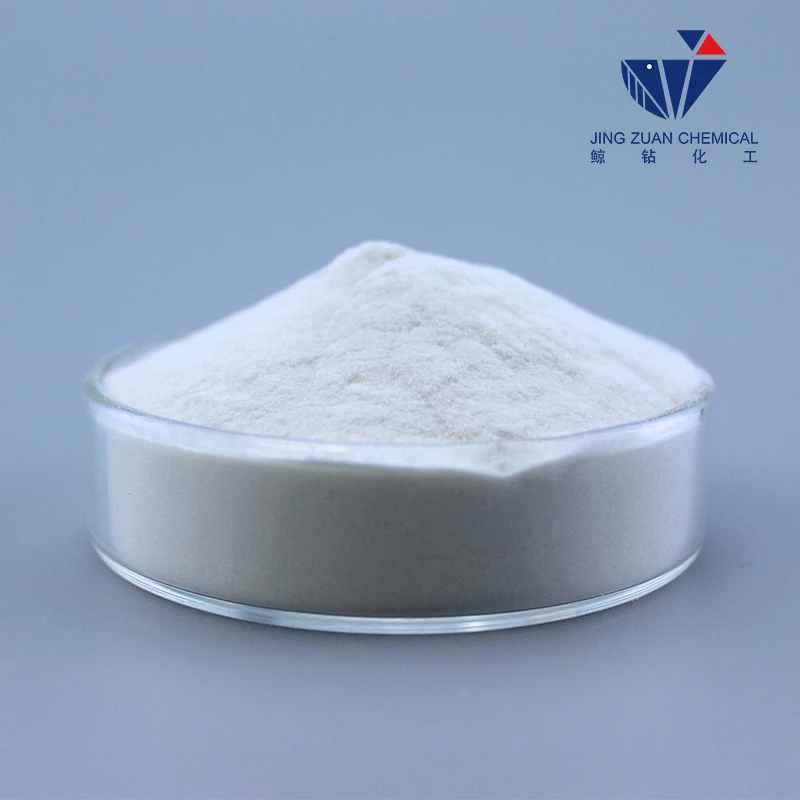
When comparing their viscosities, HPMC generally offers a greater range of viscosity grades than HEC, making it more versatile in adjusting the rheological properties of a formulation. Its ability to form gels of varying thicknesses is beneficial in applications like sustained-release formulations, where precise control over release rates is necessary.
Both HPMC and HEC exhibit excellent biocompatibility, making them safe for use in pharmaceutical and cosmetic products. They are generally recognized as safe (GRAS) and are well-tolerated by the human body. However, formulators often need to choose between HPMC and HEC based on the specific requirements of the product being developed. For instance, HPMC may be preferred in oral solid dosage forms, while HEC might be the choice for topical applications.
In conclusion, both HPMC and HEC are invaluable assets in the pharmaceutical industry, each bringing unique properties that cater to specific formulation needs. Understanding their differences allows formulators to make informed decisions, ensuring the efficacy and safety of pharmaceutical products. As research continues, the potential for new applications and improvements in the use of these cellulose ethers remains promising.
-
Versatile Hpmc Uses in Different Industries
NewsJun.19,2025
-
Redispersible Powder's Role in Enhancing Durability of Construction Products
NewsJun.19,2025
-
Hydroxyethyl Cellulose Applications Driving Green Industrial Processes
NewsJun.19,2025
-
Exploring Different Redispersible Polymer Powder
NewsJun.19,2025
-
Choosing the Right Mortar Bonding Agent
NewsJun.19,2025
-
Applications and Significance of China Hpmc in Modern Industries
NewsJun.19,2025




 English
  Afrikaans
  Albanian
  Amharic
  Arabic
  Armenian
  Azerbaijani
  Basque
  Belarusian
  Bengali
  Bosnian
  Bulgarian
  Catalan
  Cebuano
  Corsican
  Croatian
  Czech
Czech  Danish
  Dutch
Dutch  Esperanto
  Estonian
  Finnish
  French
  Frisian
  Galician
  Georgian
  German
  Greek
Greek  Gujarati
  Haitian Creole
  Hausa
Hausa  Hawaiian
  Hebrew
  Hindi
Hindi  Miao
Miao  Hungarian
  Icelandic
  Igbo
Igbo  Indonesian
  Irish
Irish  Italian
  Japanese
  Javanese
  Kannada
  Kazakh
  Khmer
Khmer  Rwandese
  Korean
  Kurdish
  Kyrgyz
  Lao
Lao  Latin
Latin  Latvian
  Lithuanian
  Luxembourgish
  Macedonian
  Malgashi
  Malay
Malay  Malayalam
  Maltese
  Maori
Maori  Marathi
  Mongolian
  Myanmar
  Nepali
  Norwegian
  Norwegian
  Occitan
  Pashto
  Persian
  Polish
  Portuguese
  Punjabi
  Romanian
  Russian
  Samoan
  Scottish Gaelic
  Serbian
  Sesotho
  Shona
Shona  Sindhi
  Sinhala
  Slovak
  Slovenian
  Somali
  Spanish
  Sundanese
  Swahili
  Swedish
  Tagalog
  Tajik
Tajik  Tamil
Tamil  Tatar
Tatar  Telugu
  Thai
Thai  Turkish
  Turkmen
  Ukrainian
  Urdu
Urdu  Uighur
  Uzbek
Uzbek  Vietnamese
  Welsh
Welsh  Bantu
Bantu  Yiddish
  Yoruba
  Zulu
Zulu