

Jun . 13, 2024 11:04 Back to list
HPMC's key attributes influence its performance significantly.
HPMC, or Hydroxypropyl Methylcellulose, is a widely used cellulose ether with a myriad of properties that make it indispensable in various industries. It is derived from natural cellulose through chemical modification, primarily with hydroxypropyl and methyl groups. The properties of HPMC are the key factors that determine its versatility and utility.
Firstly, HPMC is known for its excellent water solubility. In, it forms a gel-like substance, which makes it suitable for applications in construction materials as a thickener or binder. Its ability to retain water also makes it a popular ingredient in the pharmaceutical industry, where it is used as a disintegrant in tablet formulations.
Secondly, HPMC exhibits pseudoplastic behavior, meaning its viscosity decreases with increasing shear rate. This property allows it to flow smoothly during processing while maintaining its thickening properties, which is beneficial in paints, adhesives, and other coating applications.
The thermal stability of HPMC is another standout feature. It remains stable up to high temperatures, which is crucial in processes like hot melt extrusion. Its non-flammability also adds to its safety profile in manufacturing processes Its non-flammability also adds to its safety profile in manufacturing processes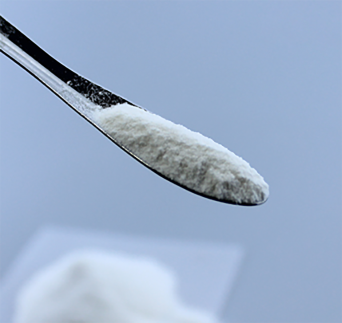 Its non-flammability also adds to its safety profile in manufacturing processes Its non-flammability also adds to its safety profile in manufacturing processeshpmc properties.
Furthermore, HPMC is non-toxic and inert, making it safe for use in food, pharmaceuticals, and personal care products. It has no taste or odor, which is advantageous in food and drug formulations. Its film-forming capability is utilized in the production of coatings and films for various applications.
In addition to these, HPMC demonstrates excellent adhesion properties, contributing to its use as an adhesive component. Its pH stability allows it to function effectively across a wide range of pH levels, expanding its usability in diverse environments.
Lastly, HPMC's ability to control moisture and its retardant effect on cement hydration make it an ideal additive in the building sector, enhancing the workability and durability of concrete.
In conclusion, the properties of HPMC - its water solubility, pseudoplasticity, thermal stability, non-toxicity, film-forming ability, adhesion, and moisture control - are the pillars of its multifaceted use. These attributes have made HPMC an essential ingredient in sectors ranging from construction to pharmaceuticals, demonstrating its profound impact on modern industry.
Its non-flammability also adds to its safety profile in manufacturing processes Its non-flammability also adds to its safety profile in manufacturing processeshpmc properties.
Furthermore, HPMC is non-toxic and inert, making it safe for use in food, pharmaceuticals, and personal care products. It has no taste or odor, which is advantageous in food and drug formulations. Its film-forming capability is utilized in the production of coatings and films for various applications.
In addition to these, HPMC demonstrates excellent adhesion properties, contributing to its use as an adhesive component. Its pH stability allows it to function effectively across a wide range of pH levels, expanding its usability in diverse environments.
Lastly, HPMC's ability to control moisture and its retardant effect on cement hydration make it an ideal additive in the building sector, enhancing the workability and durability of concrete.
In conclusion, the properties of HPMC - its water solubility, pseudoplasticity, thermal stability, non-toxicity, film-forming ability, adhesion, and moisture control - are the pillars of its multifaceted use. These attributes have made HPMC an essential ingredient in sectors ranging from construction to pharmaceuticals, demonstrating its profound impact on modern industry.
Its non-flammability also adds to its safety profile in manufacturing processes Its non-flammability also adds to its safety profile in manufacturing processeshpmc properties.
Furthermore, HPMC is non-toxic and inert, making it safe for use in food, pharmaceuticals, and personal care products. It has no taste or odor, which is advantageous in food and drug formulations. Its film-forming capability is utilized in the production of coatings and films for various applications.
In addition to these, HPMC demonstrates excellent adhesion properties, contributing to its use as an adhesive component. Its pH stability allows it to function effectively across a wide range of pH levels, expanding its usability in diverse environments.
Lastly, HPMC's ability to control moisture and its retardant effect on cement hydration make it an ideal additive in the building sector, enhancing the workability and durability of concrete.
In conclusion, the properties of HPMC - its water solubility, pseudoplasticity, thermal stability, non-toxicity, film-forming ability, adhesion, and moisture control - are the pillars of its multifaceted use. These attributes have made HPMC an essential ingredient in sectors ranging from construction to pharmaceuticals, demonstrating its profound impact on modern industry. Latest news
-
Versatile Hpmc Uses in Different Industries
NewsJun.19,2025
-
Redispersible Powder's Role in Enhancing Durability of Construction Products
NewsJun.19,2025
-
Hydroxyethyl Cellulose Applications Driving Green Industrial Processes
NewsJun.19,2025
-
Exploring Different Redispersible Polymer Powder
NewsJun.19,2025
-
Choosing the Right Mortar Bonding Agent
NewsJun.19,2025
-
Applications and Significance of China Hpmc in Modern Industries
NewsJun.19,2025
Related PRODUCTS



 English
  Afrikaans
  Albanian
  Amharic
  Arabic
  Armenian
  Azerbaijani
  Basque
  Belarusian
  Bengali
  Bosnian
  Bulgarian
  Catalan
  Cebuano
  Corsican
  Croatian
  Czech
Czech  Danish
  Dutch
Dutch  Esperanto
  Estonian
  Finnish
  French
  Frisian
  Galician
  Georgian
  German
  Greek
Greek  Gujarati
  Haitian Creole
  Hausa
Hausa  Hawaiian
  Hebrew
  Hindi
Hindi  Miao
Miao  Hungarian
  Icelandic
  Igbo
Igbo  Indonesian
  Irish
Irish  Italian
  Japanese
  Javanese
  Kannada
  Kazakh
  Khmer
Khmer  Rwandese
  Korean
  Kurdish
  Kyrgyz
  Lao
Lao  Latin
Latin  Latvian
  Lithuanian
  Luxembourgish
  Macedonian
  Malgashi
  Malay
Malay  Malayalam
  Maltese
  Maori
Maori  Marathi
  Mongolian
  Myanmar
  Nepali
  Norwegian
  Norwegian
  Occitan
  Pashto
  Persian
  Polish
  Portuguese
  Punjabi
  Romanian
  Russian
  Samoan
  Scottish Gaelic
  Serbian
  Sesotho
  Shona
Shona  Sindhi
  Sinhala
  Slovak
  Slovenian
  Somali
  Spanish
  Sundanese
  Swahili
  Swedish
  Tagalog
  Tajik
Tajik  Tamil
Tamil  Tatar
Tatar  Telugu
  Thai
Thai  Turkish
  Turkmen
  Ukrainian
  Urdu
Urdu  Uighur
  Uzbek
Uzbek  Vietnamese
  Welsh
Welsh  Bantu
Bantu  Yiddish
  Yoruba
  Zulu
Zulu