

Jun . 13, 2024 15:22 Back to list
HPMC's HS code relates to chemical classification for import/export.
HPMC, or Hydroxypropyl Methylcellulose, is a widely used chemical compound in various industries due to its unique properties and versatile applications. It is a modified form of cellulose, a natural polymer found in plant cell walls. The HS (Harmonized System) code is an internationally standardized coding system used for the classification of goods in international trade.
The HS code for HPMC is typically classified under Cellulose ethers; other than those of heading 3912, in primary forms. This code is crucial for customs clearance, import/export regulations, and calculation of tariffs. In the HS classification, HPMC falls under Chapter 39, which deals with plastics and articles thereof. However, it is important to note that specific HS codes may vary slightly depending on the country and the exact nature of the product.
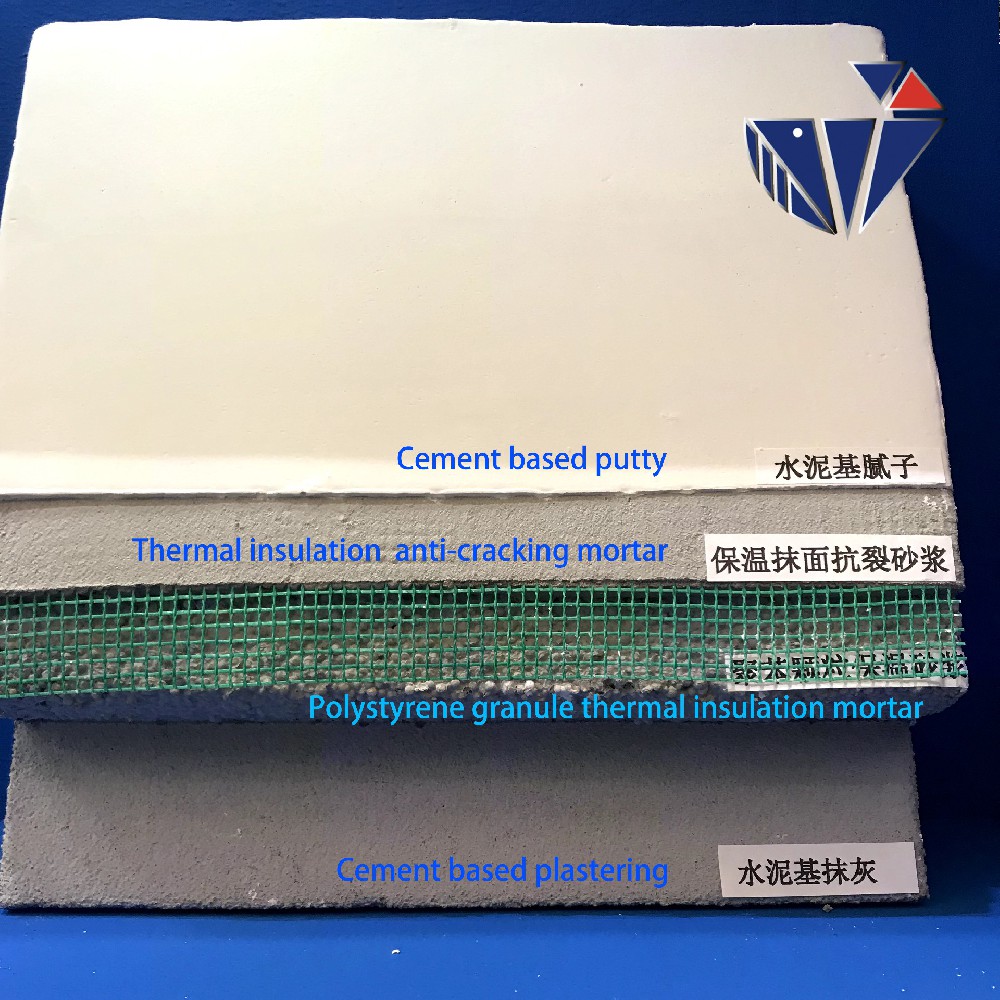
HPMC finds its use in sectors like construction, pharmaceuticals, food, and cosmetics. In construction, it serves as a binding and thickening agent in plaster, paint, and tile adhesives. Its ability to retain water makes it ideal for mortar and concrete mixes. In the pharmaceutical industry, HPMC is used as a tablet binder, coating agent, and in controlled drug release formulations due to its non-toxic and inert nature In the pharmaceutical industry, HPMC is used as a tablet binder, coating agent, and in controlled drug release formulations due to its non-toxic and inert nature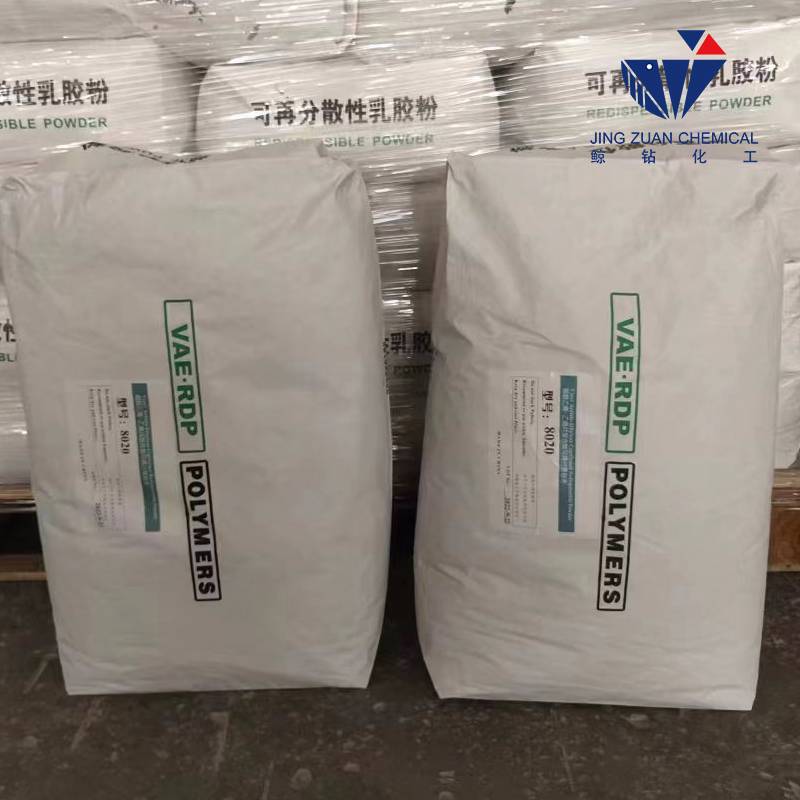 In the pharmaceutical industry, HPMC is used as a tablet binder, coating agent, and in controlled drug release formulations due to its non-toxic and inert nature In the pharmaceutical industry, HPMC is used as a tablet binder, coating agent, and in controlled drug release formulations due to its non-toxic and inert naturehpmc hs code.
In the food industry, HPMC is approved as a food additive, mainly used as a stabilizer and thickener in products like ice cream, jams, and sauces. It also finds applications in the production of vegan gelatine alternatives. The cosmetic sector utilizes HPMC in hair and skincare products, thanks to its emulsifying and film-forming properties.
The HS code system ensures transparency and consistency in global trade by providing a common language for describing goods. For HPMC, this code plays a vital role in facilitating international transactions, enabling smooth logistics, and adhering to different countries' regulatory requirements. Understanding and accurately using the HS code for HPMC is, therefore, critical for businesses dealing in this commodity.
In conclusion, HPMC, with its HS code, represents not only a product but also a bridge between various industries and global trade regulations. Its significance extends beyond its chemical composition, impacting the way businesses operate and goods move across borders. As the world becomes more interconnected, the importance of accurate HS coding will continue to grow, ensuring a seamless flow of goods and services worldwide.
In the pharmaceutical industry, HPMC is used as a tablet binder, coating agent, and in controlled drug release formulations due to its non-toxic and inert nature In the pharmaceutical industry, HPMC is used as a tablet binder, coating agent, and in controlled drug release formulations due to its non-toxic and inert naturehpmc hs code.
In the food industry, HPMC is approved as a food additive, mainly used as a stabilizer and thickener in products like ice cream, jams, and sauces. It also finds applications in the production of vegan gelatine alternatives. The cosmetic sector utilizes HPMC in hair and skincare products, thanks to its emulsifying and film-forming properties.
The HS code system ensures transparency and consistency in global trade by providing a common language for describing goods. For HPMC, this code plays a vital role in facilitating international transactions, enabling smooth logistics, and adhering to different countries' regulatory requirements. Understanding and accurately using the HS code for HPMC is, therefore, critical for businesses dealing in this commodity.
In conclusion, HPMC, with its HS code, represents not only a product but also a bridge between various industries and global trade regulations. Its significance extends beyond its chemical composition, impacting the way businesses operate and goods move across borders. As the world becomes more interconnected, the importance of accurate HS coding will continue to grow, ensuring a seamless flow of goods and services worldwide.
In the pharmaceutical industry, HPMC is used as a tablet binder, coating agent, and in controlled drug release formulations due to its non-toxic and inert nature In the pharmaceutical industry, HPMC is used as a tablet binder, coating agent, and in controlled drug release formulations due to its non-toxic and inert naturehpmc hs code.
In the food industry, HPMC is approved as a food additive, mainly used as a stabilizer and thickener in products like ice cream, jams, and sauces. It also finds applications in the production of vegan gelatine alternatives. The cosmetic sector utilizes HPMC in hair and skincare products, thanks to its emulsifying and film-forming properties.
The HS code system ensures transparency and consistency in global trade by providing a common language for describing goods. For HPMC, this code plays a vital role in facilitating international transactions, enabling smooth logistics, and adhering to different countries' regulatory requirements. Understanding and accurately using the HS code for HPMC is, therefore, critical for businesses dealing in this commodity.
In conclusion, HPMC, with its HS code, represents not only a product but also a bridge between various industries and global trade regulations. Its significance extends beyond its chemical composition, impacting the way businesses operate and goods move across borders. As the world becomes more interconnected, the importance of accurate HS coding will continue to grow, ensuring a seamless flow of goods and services worldwide. Latest news
-
Versatile Hpmc Uses in Different Industries
NewsJun.19,2025
-
Redispersible Powder's Role in Enhancing Durability of Construction Products
NewsJun.19,2025
-
Hydroxyethyl Cellulose Applications Driving Green Industrial Processes
NewsJun.19,2025
-
Exploring Different Redispersible Polymer Powder
NewsJun.19,2025
-
Choosing the Right Mortar Bonding Agent
NewsJun.19,2025
-
Applications and Significance of China Hpmc in Modern Industries
NewsJun.19,2025
Related PRODUCTS



 English
  Afrikaans
  Albanian
  Amharic
  Arabic
  Armenian
  Azerbaijani
  Basque
  Belarusian
  Bengali
  Bosnian
  Bulgarian
  Catalan
  Cebuano
  Corsican
  Croatian
  Czech
Czech  Danish
  Dutch
Dutch  Esperanto
  Estonian
  Finnish
  French
  Frisian
  Galician
  Georgian
  German
  Greek
Greek  Gujarati
  Haitian Creole
  Hausa
Hausa  Hawaiian
  Hebrew
  Hindi
Hindi  Miao
Miao  Hungarian
  Icelandic
  Igbo
Igbo  Indonesian
  Irish
Irish  Italian
  Japanese
  Javanese
  Kannada
  Kazakh
  Khmer
Khmer  Rwandese
  Korean
  Kurdish
  Kyrgyz
  Lao
Lao  Latin
Latin  Latvian
  Lithuanian
  Luxembourgish
  Macedonian
  Malgashi
  Malay
Malay  Malayalam
  Maltese
  Maori
Maori  Marathi
  Mongolian
  Myanmar
  Nepali
  Norwegian
  Norwegian
  Occitan
  Pashto
  Persian
  Polish
  Portuguese
  Punjabi
  Romanian
  Russian
  Samoan
  Scottish Gaelic
  Serbian
  Sesotho
  Shona
Shona  Sindhi
  Sinhala
  Slovak
  Slovenian
  Somali
  Spanish
  Sundanese
  Swahili
  Swedish
  Tagalog
  Tajik
Tajik  Tamil
Tamil  Tatar
Tatar  Telugu
  Thai
Thai  Turkish
  Turkmen
  Ukrainian
  Urdu
Urdu  Uighur
  Uzbek
Uzbek  Vietnamese
  Welsh
Welsh  Bantu
Bantu  Yiddish
  Yoruba
  Zulu
Zulu