
Oct . 21, 2024 20:23 Back to list
hpmc meaning
Understanding HPMC Meaning and Applications
Hydroxypropyl Methylcellulose (HPMC) is a semi-synthetic polymer derived from cellulose, which is a natural polymer. It has gained considerable attention in a variety of industries due to its unique properties and versatility. The significance of HPMC cannot be overstated, as it serves a myriad of functions across diverse applications, ranging from pharmaceuticals to food production.
What is HPMC?
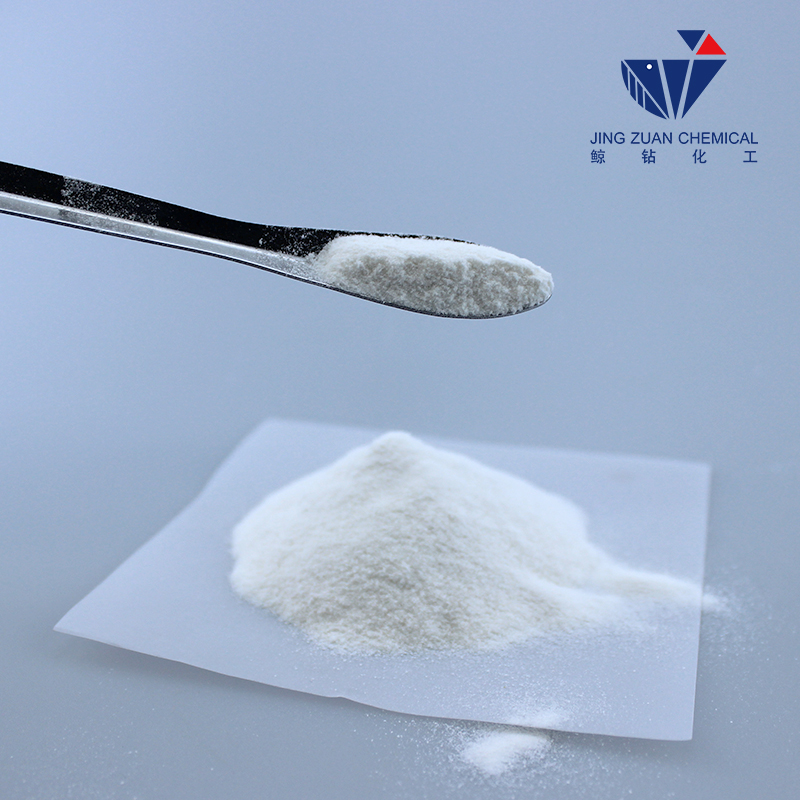
HPMC is derived from cellulose, which is the main component of plant cell walls. The process of creating HPMC involves treating cellulose with propylene oxide and methyl chloride, modifying its chemical structure. This modification results in a product that is water-soluble and has various functional properties, making it suitable for numerous applications.
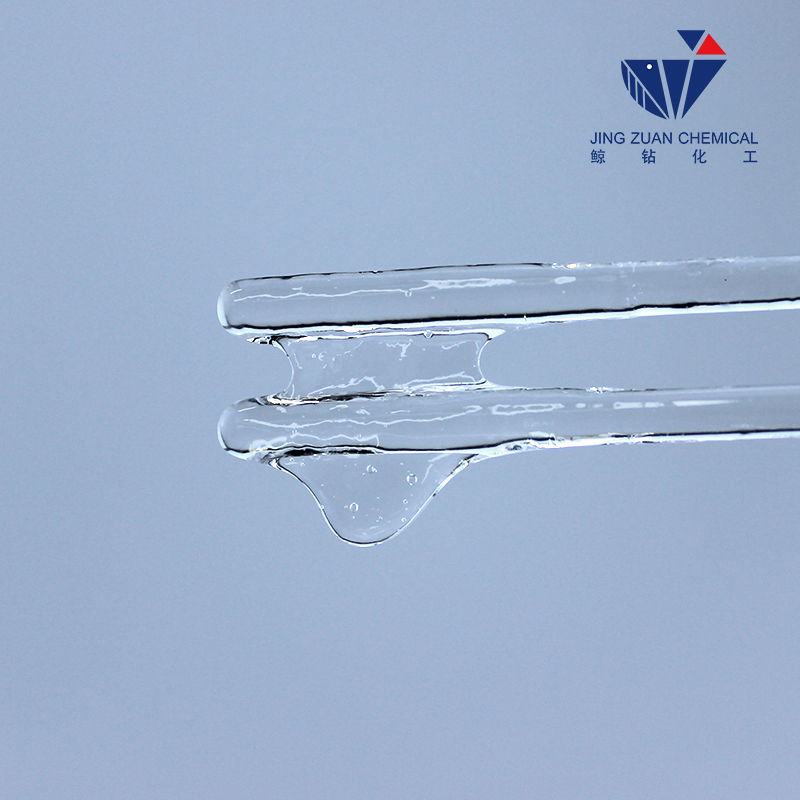
The key attributes of HPMC include its ability to form gels, provide thickening and binding properties, and serve as an emulsifier and stabilizer. It is non-toxic and does not interact adversely with other ingredients, which adds to its appeal, especially in the pharmaceutical and food industries.
Understanding HPMC Meaning and Applications
1. Pharmaceuticals One of the most prominent uses of HPMC is in the pharmaceutical industry. It is widely used as a binding agent in tablets and as a coating agent to control the release of active ingredients. HPMC can create extended-release formulations, allowing for prolonged therapeutic effects, which is advantageous for patient compliance.
hpmc meaning
2. Food Industry In the food sector, HPMC acts as a thickener, emulsifier, and stabilizer. It helps improve the texture and consistency of various food products, such as sauces, dressings, and baked goods. By providing structural integrity, HPMC contributes to the overall quality and shelf-life of food products.
3. Cosmetics and Personal Care HPMC is also utilized in cosmetics and personal care items. It can be found in lotions, creams, and gels, where it serves as a thickening agent. Its compatibility with skin makes it a preferred ingredient for formulating various cosmetic products.
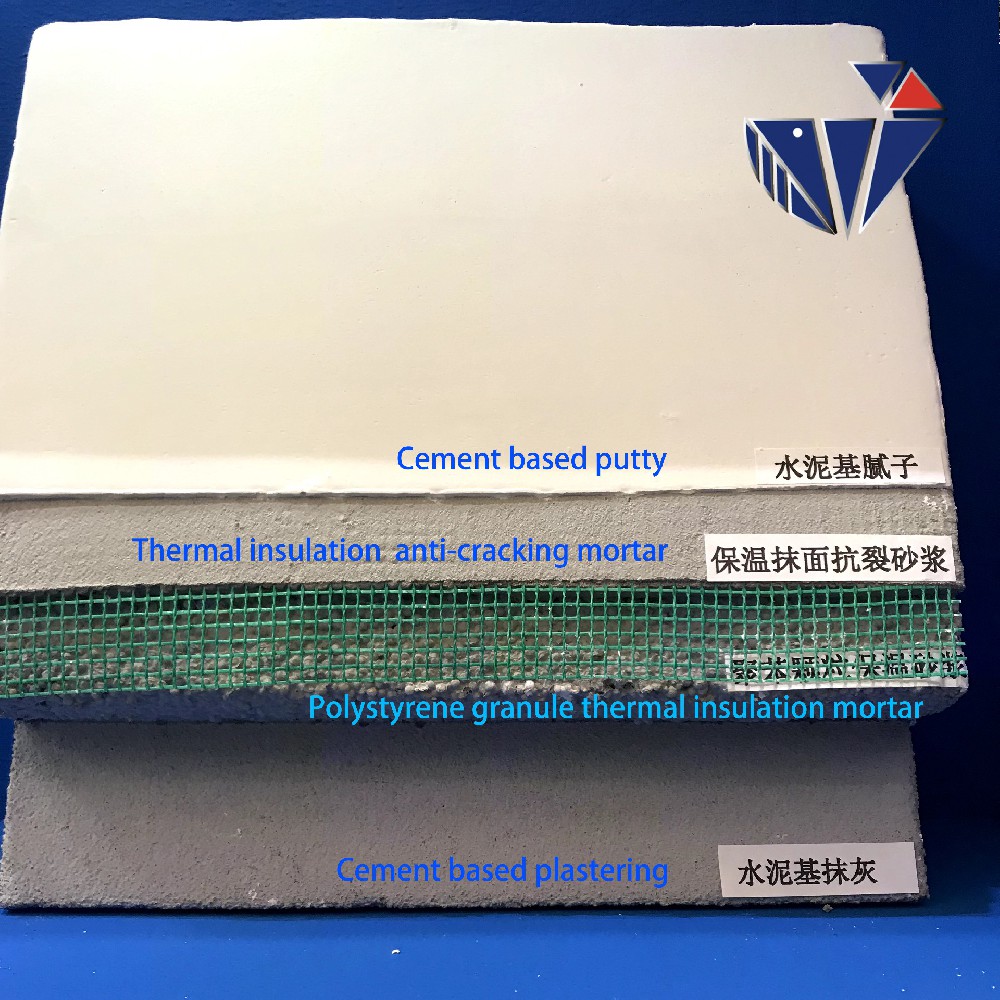
4. Construction Another interesting application of HPMC is in the construction industry. It is added to cement and plaster formulations to enhance workability and water retention, improving the performance of construction materials.
5. Agriculture HPMC is sometimes used in agricultural products as a soil conditioner or as part of formulations for pesticides and fertilizers, enhancing their efficacy and longevity.
Conclusion
In summary, Hydroxypropyl Methylcellulose (HPMC) is a versatile polymer with a wide range of applications. Its unique chemical properties allow it to serve as a binding agent, thickener, emulsifier, and more across various industries including pharmaceuticals, food production, cosmetics, construction, and agriculture. The ongoing research and development in this field continue to uncover new uses for HPMC, further highlighting its importance in our daily lives. As industries evolve, HPMC stands as a testament to the potential of modified natural polymers in addressing modern challenges and enhancing product performance.
-
Unlocking the Benefits of HPMC Products: A Gateway to Versatile Applications
NewsAug.07,2025
-
Unleashing the Potential of HPMC Ashland: A Comprehensive Look
NewsAug.07,2025
-
Tile Bonding Cellulose: The Key to Superior Adhesion and Durability
NewsAug.07,2025
-
Hydroxypropyl Methylcellulose Powder: The Versatile Component in Modern Pharmaceuticals
NewsAug.07,2025
-
Hydroxyethyl Cellulose: The Versatile Solution for Various Industries
NewsAug.07,2025
-
Hydroxyethyl Cellulose (HEC): The Versatile Polymer for Various Applications
NewsAug.07,2025