

Oct . 31, 2024 17:22 Back to list
HPMC Applications in Tile Adhesive Formulations and Performance Enhancement Techniques
HPMC for Tile Adhesive The Key to Superior Bonding
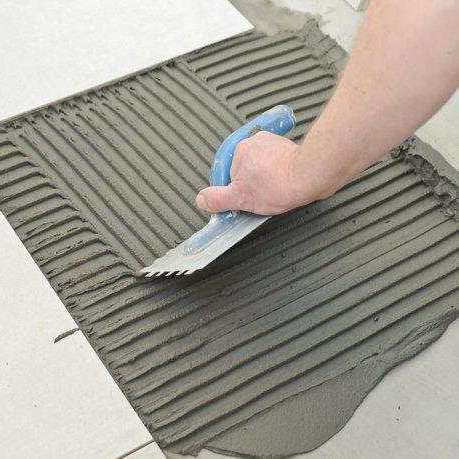
Hydroxypropyl Methylcellulose (HPMC) is a widely used polymer that plays a crucial role in the formulation of tile adhesives. With its unique properties, HPMC enhances the performance, workability, and durability of tile adhesive products, making it an essential ingredient in the construction industry.
HPMC for Tile Adhesive The Key to Superior Bonding
Moreover, HPMC contributes to the water retention of the adhesive. This means that the adhesive retains moisture within its matrix even after it has been applied, which is essential for proper curing. Adequate moisture allows the cement components within the adhesive to hydrate effectively, resulting in a strong bond between the tile and the substrate. Without sufficient water retention, the adhesive may dry too quickly, leading to adhesion failure, cracking, and ultimately reducing the lifespan of the tiled surface.
hpmc for tile adhesive
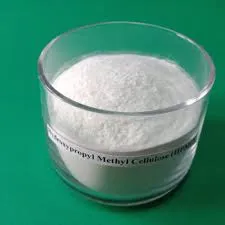
In addition to improving workability and water retention, HPMC also provides essential thixotropic properties. This feature allows the adhesive to resist sagging when applied on vertical surfaces, such as walls. A thixotropic material becomes less viscous when agitated or stressed, temporarily allowing for easier application, and then reverts to a more solid state, providing excellent holding power. This is particularly important in preventing tiles from slipping or sliding down during installation, ensuring a level and uniform surface.
HPMC's chemical stability and compatibility with other ingredients make it an ideal choice for various types of tile adhesives, including thin-set mortars, thick-bed mortars, and premixed varieties. It can easily integrate with a variety of additives, such as latex compounds, which further enhance adhesion and flexibility.
Additionally, HPMC is non-toxic and environmentally friendly, making it a sustainable choice in modern construction practices. Its production is based on cellulose, a renewable resource, which aligns with the growing demand for eco-friendly building materials.
In conclusion, HPMC is an indispensable component in tile adhesives, offering multiple benefits that enhance adhesion performance, workability, and environmental sustainability. Its ability to improve water retention, increase viscosity, and provide thixotropic properties ensures that tile installations are durable and aesthetically pleasing. For contractors and builders, understanding the significance of HPMC in tile adhesives can lead to more successful projects and satisfied clients. As construction techniques evolve, the role of HPMC in tile adhesives will continue to be a cornerstone of effective and reliable building practices.
-
Versatile Hpmc Uses in Different Industries
NewsJun.19,2025
-
Redispersible Powder's Role in Enhancing Durability of Construction Products
NewsJun.19,2025
-
Hydroxyethyl Cellulose Applications Driving Green Industrial Processes
NewsJun.19,2025
-
Exploring Different Redispersible Polymer Powder
NewsJun.19,2025
-
Choosing the Right Mortar Bonding Agent
NewsJun.19,2025
-
Applications and Significance of China Hpmc in Modern Industries
NewsJun.19,2025


 English
  Afrikaans
  Albanian
  Amharic
  Arabic
  Armenian
  Azerbaijani
  Basque
  Belarusian
  Bengali
  Bosnian
  Bulgarian
  Catalan
  Cebuano
  Corsican
  Croatian
  Czech
Czech  Danish
  Dutch
Dutch  Esperanto
  Estonian
  Finnish
  French
  Frisian
  Galician
  Georgian
  German
  Greek
Greek  Gujarati
  Haitian Creole
  Hausa
Hausa  Hawaiian
  Hebrew
  Hindi
Hindi  Miao
Miao  Hungarian
  Icelandic
  Igbo
Igbo  Indonesian
  Irish
Irish  Italian
  Japanese
  Javanese
  Kannada
  Kazakh
  Khmer
Khmer  Rwandese
  Korean
  Kurdish
  Kyrgyz
  Lao
Lao  Latin
Latin  Latvian
  Lithuanian
  Luxembourgish
  Macedonian
  Malgashi
  Malay
Malay  Malayalam
  Maltese
  Maori
Maori  Marathi
  Mongolian
  Myanmar
  Nepali
  Norwegian
  Norwegian
  Occitan
  Pashto
  Persian
  Polish
  Portuguese
  Punjabi
  Romanian
  Russian
  Samoan
  Scottish Gaelic
  Serbian
  Sesotho
  Shona
Shona  Sindhi
  Sinhala
  Slovak
  Slovenian
  Somali
  Spanish
  Sundanese
  Swahili
  Swedish
  Tagalog
  Tajik
Tajik  Tamil
Tamil  Tatar
Tatar  Telugu
  Thai
Thai  Turkish
  Turkmen
  Ukrainian
  Urdu
Urdu  Uighur
  Uzbek
Uzbek  Vietnamese
  Welsh
Welsh  Bantu
Bantu  Yiddish
  Yoruba
  Zulu
Zulu