

Jun . 26, 2024 19:18 Back to list
HPMC Viscosity Values Chart Understanding the Key Parameters
Understanding HPMC Viscosity Table
HPMC, or hydroxypropyl methylcellulose, is a versatile compound used in a variety of industries, from pharmaceuticals to food and cosmetics. One of the key properties of HPMC that determines its suitability for different applications is viscosity. The viscosity of HPMC solutions can vary significantly depending on factors such as concentration, temperature, and shear rate. Therefore, understanding the HPMC viscosity table is crucial for ensuring optimal performance in any given application.
The HPMC viscosity table provides a range of values that correspond to the viscosity of HPMC solutions at different concentrations. These values are typically expressed in centipoise (cP), a unit of measurement for fluid viscosity. The table allows users to select the appropriate HPMC grade based on their desired viscosity level. For example, if a formulation requires a low-viscosity solution, an HPMC grade with a lower viscosity value would be selected. Conversely, if a high-viscosity solution is needed, an HPMC grade with a higher viscosity value would be chosen.
It's important to note that the viscosity of HPMC solutions can be influenced by several factors. As mentioned earlier, concentration plays a significant role in determining viscosity. In general, increasing the concentration of HPMC will result in a higher viscosity In general, increasing the concentration of HPMC will result in a higher viscosity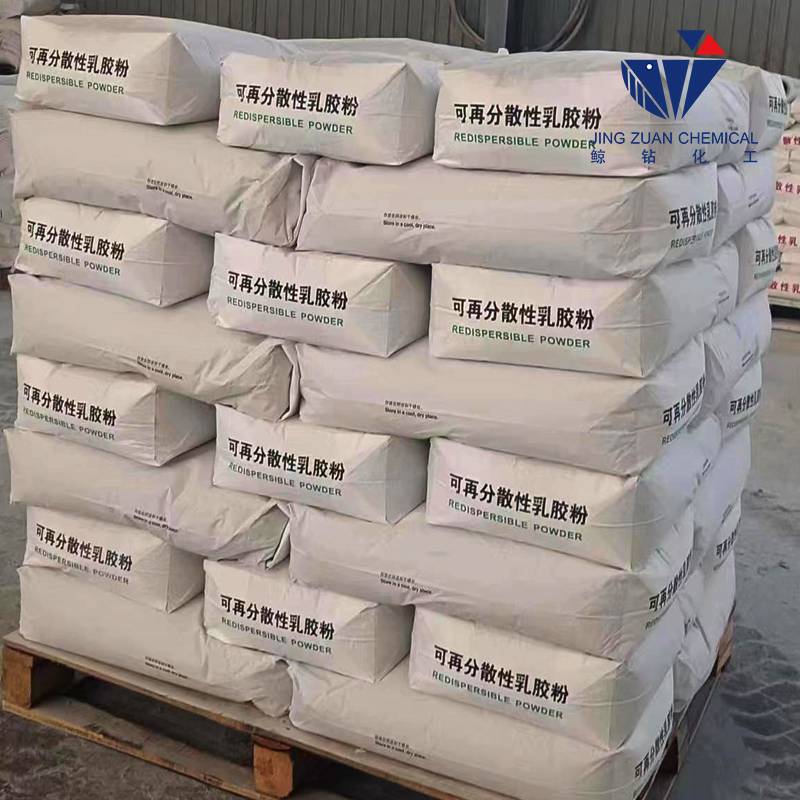 In general, increasing the concentration of HPMC will result in a higher viscosity In general, increasing the concentration of HPMC will result in a higher viscosityhpmc viscosity table. Additionally, temperature can also impact viscosity; warmer temperatures tend to decrease viscosity, while cooler temperatures increase it. Finally, the shear rate at which the solution is being measured can affect viscosity as well. Higher shear rates often lead to lower viscosity readings.
To ensure accurate and consistent results when using the HPMC viscosity table, it's essential to follow proper procedures for preparing and measuring solutions. This includes using precise measurements of both HPMC and water, as well as maintaining consistent temperature and shear conditions during testing. Additionally, it's important to use high-quality HPMC products from reputable suppliers to minimize variability in viscosity values.
In conclusion, understanding the HPMC viscosity table is essential for selecting the appropriate grade of HPMC for any given application. By considering factors such as concentration, temperature, and shear rate, users can achieve optimal performance from their HPMC solutions. With proper preparation and measurement techniques, the HPMC viscosity table provides a valuable tool for ensuring success in a wide range of industries.
In general, increasing the concentration of HPMC will result in a higher viscosity In general, increasing the concentration of HPMC will result in a higher viscosityhpmc viscosity table. Additionally, temperature can also impact viscosity; warmer temperatures tend to decrease viscosity, while cooler temperatures increase it. Finally, the shear rate at which the solution is being measured can affect viscosity as well. Higher shear rates often lead to lower viscosity readings.
To ensure accurate and consistent results when using the HPMC viscosity table, it's essential to follow proper procedures for preparing and measuring solutions. This includes using precise measurements of both HPMC and water, as well as maintaining consistent temperature and shear conditions during testing. Additionally, it's important to use high-quality HPMC products from reputable suppliers to minimize variability in viscosity values.
In conclusion, understanding the HPMC viscosity table is essential for selecting the appropriate grade of HPMC for any given application. By considering factors such as concentration, temperature, and shear rate, users can achieve optimal performance from their HPMC solutions. With proper preparation and measurement techniques, the HPMC viscosity table provides a valuable tool for ensuring success in a wide range of industries.
In general, increasing the concentration of HPMC will result in a higher viscosity In general, increasing the concentration of HPMC will result in a higher viscosityhpmc viscosity table. Additionally, temperature can also impact viscosity; warmer temperatures tend to decrease viscosity, while cooler temperatures increase it. Finally, the shear rate at which the solution is being measured can affect viscosity as well. Higher shear rates often lead to lower viscosity readings.
To ensure accurate and consistent results when using the HPMC viscosity table, it's essential to follow proper procedures for preparing and measuring solutions. This includes using precise measurements of both HPMC and water, as well as maintaining consistent temperature and shear conditions during testing. Additionally, it's important to use high-quality HPMC products from reputable suppliers to minimize variability in viscosity values.
In conclusion, understanding the HPMC viscosity table is essential for selecting the appropriate grade of HPMC for any given application. By considering factors such as concentration, temperature, and shear rate, users can achieve optimal performance from their HPMC solutions. With proper preparation and measurement techniques, the HPMC viscosity table provides a valuable tool for ensuring success in a wide range of industries. Latest news
-
Versatile Hpmc Uses in Different Industries
NewsJun.19,2025
-
Redispersible Powder's Role in Enhancing Durability of Construction Products
NewsJun.19,2025
-
Hydroxyethyl Cellulose Applications Driving Green Industrial Processes
NewsJun.19,2025
-
Exploring Different Redispersible Polymer Powder
NewsJun.19,2025
-
Choosing the Right Mortar Bonding Agent
NewsJun.19,2025
-
Applications and Significance of China Hpmc in Modern Industries
NewsJun.19,2025
Related PRODUCTS



 English
  Afrikaans
  Albanian
  Amharic
  Arabic
  Armenian
  Azerbaijani
  Basque
  Belarusian
  Bengali
  Bosnian
  Bulgarian
  Catalan
  Cebuano
  Corsican
  Croatian
  Czech
Czech  Danish
  Dutch
Dutch  Esperanto
  Estonian
  Finnish
  French
  Frisian
  Galician
  Georgian
  German
  Greek
Greek  Gujarati
  Haitian Creole
  Hausa
Hausa  Hawaiian
  Hebrew
  Hindi
Hindi  Miao
Miao  Hungarian
  Icelandic
  Igbo
Igbo  Indonesian
  Irish
Irish  Italian
  Japanese
  Javanese
  Kannada
  Kazakh
  Khmer
Khmer  Rwandese
  Korean
  Kurdish
  Kyrgyz
  Lao
Lao  Latin
Latin  Latvian
  Lithuanian
  Luxembourgish
  Macedonian
  Malgashi
  Malay
Malay  Malayalam
  Maltese
  Maori
Maori  Marathi
  Mongolian
  Myanmar
  Nepali
  Norwegian
  Norwegian
  Occitan
  Pashto
  Persian
  Polish
  Portuguese
  Punjabi
  Romanian
  Russian
  Samoan
  Scottish Gaelic
  Serbian
  Sesotho
  Shona
Shona  Sindhi
  Sinhala
  Slovak
  Slovenian
  Somali
  Spanish
  Sundanese
  Swahili
  Swedish
  Tagalog
  Tajik
Tajik  Tamil
Tamil  Tatar
Tatar  Telugu
  Thai
Thai  Turkish
  Turkmen
  Ukrainian
  Urdu
Urdu  Uighur
  Uzbek
Uzbek  Vietnamese
  Welsh
Welsh  Bantu
Bantu  Yiddish
  Yoruba
  Zulu
Zulu