
Jan . 06, 2026 09:25 Back to list
HPMC Side Effects: Insights from Industrial Use and Handling
HPMC Side Effects: What Industry Pros Really Notice
Hydroxypropyl Methylcellulose—or HPMC, as those of us in the industrial world often call it—is everywhere. From construction materials to pharmaceuticals, it’s prized for its versatility, but naturally, many people wonder about potential side effects, especially after prolonged exposure or usage.
Having spent more than a decade dabbling in industrial equipment and raw materials sourcing, I’ve had decent firsthand experience with HPMC. It’s odd to think something with “cellulose” in its name can cause a stir, but if you’re dealing with it day-to-day, there are a few practical considerations to keep in mind.
First off, from a chemical standpoint, HPMC is considered quite safe and inert under most conditions. It’s non-toxic and used extensively in pharmaceuticals as a binder or a controlled-release agent. That said, in industrial settings, dust generation during handling is the biggest concern. Fine dust particles can be irritating to the respiratory system—something many plant operators have noted. Frankly, proper ventilation and respiratory protective equipment tend to take care of this risk.
Skin contact is generally harmless, but some sensitive users report mild irritation or dryness—especially if handling the powder directly without gloves for long stretches. I once worked with a supplier who was meticulous about this, advising routine skin washing and moisturizing. Oddly enough, those little measures can save a lot of downtime from discomfort.
In real terms, the side effects aren’t so much about toxicity but more about workplace ergonomics and exposure control. My experience suggests the major “side effect” is more about cleanup and product handling challenge rather than health hazards. HPMC powders tend to cling and create dust clouds when careless, prompting complaints in production areas that lack effective dust extraction.
Still, the benefits of HPMC far outweigh these minor concerns. It’s water-soluble, stabilizes emulsions, thickens compounds effectively, and is compatible with a wide range of raw materials. Many engineers and end-users swear by its consistency. Its ability to act as a film former is particularly prized in adhesives and coatings, giving products a smooth and flexible finish.
To give a clearer picture, here’s a quick look at some common specifications for industrial-grade HPMC:
| Specification | Typical Values |
|---|---|
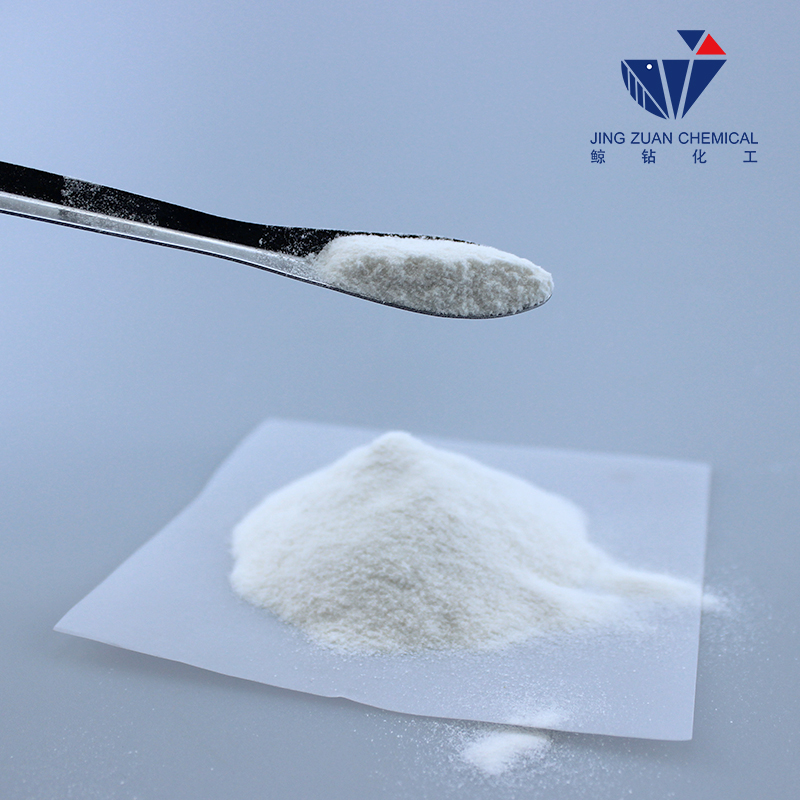
| Appearance | White to off-white powder |
| Moisture Content | ≤ 5% |
| Viscosity (2% solution) | 50-4000 mPa·s |
| pH (1% solution) | 5.0 to 8.5 |
| Ash Content | ≤ 2% |
Now, if you’re sourcing HPMC, the choice of vendor can influence not just price, but product consistency and support. I’ve worked with a handful of suppliers, each bringing their unique strengths to the table. Check this quick comparison:
| Vendor | Product Quality | Technical Support | Lead Time | Price Competitiveness |
|---|---|---|---|---|
| Vendor A | High consistency | Excellent | 3-5 days | Mid-range |
| Vendor B | Good, occasional variation | Fair | 5-7 days | Competitive |
| Vendor C | Premium grade | Very good | 2-4 days | Higher priced |
One story I recall vividly: a mid-sized concrete admixture plant switched their HPMC vendor twice in one year, chasing cost savings. Oddly enough, the batches began showing inconsistent viscosity, which affected their product’s final texture. Only when they returned to a reliable supplier with solid quality controls did their process stabilize and customer complaints drop. It’s a pretty classic example of how small changes can ripple far downstream.
So, after all this chatter about side effects, what’s the bottom line? If you handle HPMC side effects, it mostly comes down to safe handling practices and vendor reliability. It feels like the material itself is far less of a hazard than sloppy workplace protocols or cutting corners on sourcing. Honestly, that’s the kind of detail that makes or breaks manufacturing consistency. You know, in this field, the devil is always in the details.
For anyone curious, I’d recommend visiting HPMC supplier pages to get detailed tech sheets and safety datasheets. Staying informed is half the battle.
After all, the industrial sector is full of materials that look innocent but can surprise you, and HPMC luckily belongs to the safer side of that spectrum.
—
In all, it’s a fascinating product that perfectly exemplifies how chemical additives support massive industries with quiet reliability.
References:
- CNJZ Chemical Product Data Sheet
- Industrial Safety Reports on Cellulose Ethers, Journal of Occupational Health
- Personal interviews with construction material engineers, 2018-2023
-
Understanding Hydroxypropyl Methyl Cellulose MSDS Safety and Compliance
NewsApr.16,2026
-
Understanding the Hydroxypropyl Methyl Cellulose HS Code for Global Trade
NewsApr.09,2026
-
Comprehensive Guide to Hydroxypropyl Methyl Cellulose CAS Number and Applications
NewsApr.07,2026
-
Comprehensive Guide to Hydroxypropyl Methyl Cellulose cas no and its Diverse Applications
NewsApr.04,2026
-
Comprehensive Guide to Hydroxypropyl Methyl Cellulose Manufacturers and Applications
NewsMar.31,2026
-
Understanding Hydroxypropyl Methyl Cellulose Properties And Diverse Applications
NewsMar.28,2026