
Oct . 19, 2024 07:23 Back to list
Methods for Effectively Dissolving HPMC in Water for Optimal Results
How to Dissolve HPMC in Water A Comprehensive Guide
Hydroxypropyl Methylcellulose (HPMC) is a versatile, non-ionic polymer derived from cellulose. Its unique properties make it widely used in various industries, including pharmaceuticals, cosmetics, food, and construction. One of the most common applications of HPMC is as a thickening agent, binder, and film-forming agent. To harness its full potential, it's crucial to know how to dissolve HPMC properly in water. This guide will walk you through the process step-by-step to ensure successful dissolution.
Understanding HPMC
Before diving into the dissolution process, it's essential to understand HPMC's characteristics. HPMC is available in various grades with different viscosity levels and degrees of substitution, which can affect solubility. Generally, HPMC is soluble in cold water but insoluble in hot water. This property makes it easier to handle when preparing solutions for use in different applications.
Necessary Materials
To dissolve HPMC in water, you'll need the following materials
- HPMC powder - Distilled or deionized water - A stirring device (magnetic stirrer, mechanical mixer, or manual stirrer) - A clean, dry container for mixing - A scale for measuring - A thermometer (optional, for monitoring temperature)
Step-by-Step Process
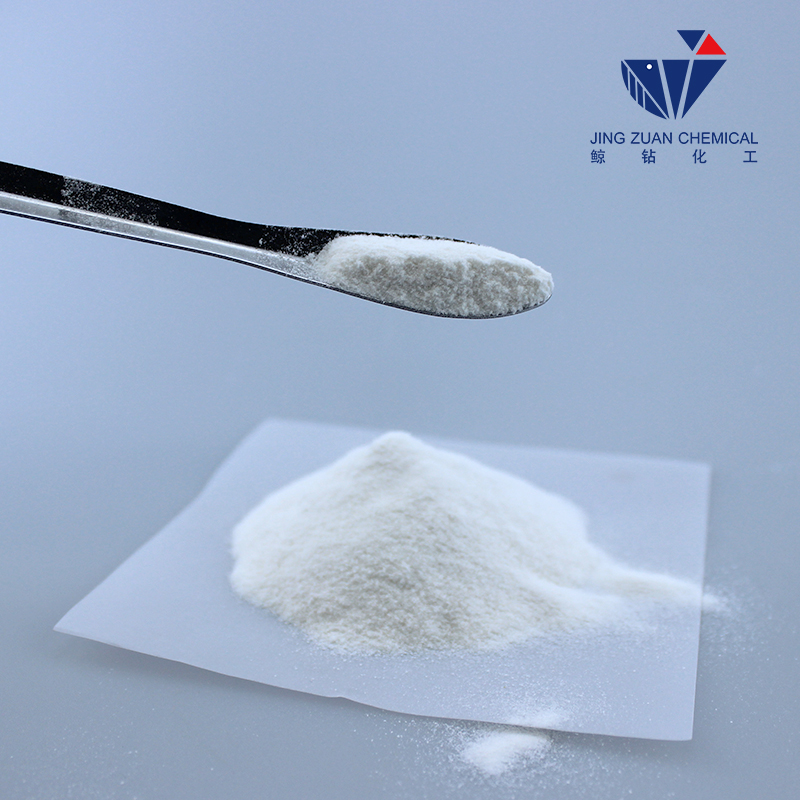
1. Measuring HPMC Start by measuring the desired amount of HPMC powder based on your application requirements. It's critical to follow the manufacturer's guidelines regarding the concentration of HPMC in your solution.
how to dissolve hpmc in water

2. Choosing the Right Water Use distilled or deionized water to avoid introducing impurities that might affect the properties of your HPMC solution. The water should ideally be at room temperature to facilitate better mixing.
3. Adding Water to HPMC Pour your measured amount of HPMC into the container. Gradually add the pre-measured amount of water to the HPMC powder. It's essential to add water slowly to prevent clumping or agglomeration of the powder, which can result in an uneven solution.
4. Stirring the Mixture Begin stirring the mixture gently. If you are using a magnetic stirrer or mechanical mixer, set it to a low speed to avoid excessive air incorporation. The stirring process should continue until the HPMC is fully dispersed in water and a smooth, lump-free mixture is obtained. Depending on the viscosity of the HPMC and the amount of water used, this process may take several minutes.
5. Adjusting Temperature If you encounter difficulties with dissolution, slightly warming the solution (not exceeding 60°C) can help. However, be cautious, as high temperatures can lead to changes in the properties of HPMC. Always ensure that the temperature remains in a safe range for your specific HPMC grade.
6. Final Check Once the solution appears homogeneous, let it sit for a short period. This allows for any remaining unmixed particles to properly hydrate. After this resting phase, give it one final stir to ensure consistency.
7. Storage and Usage If not using immediately, store the HPMC solution in a clean, airtight container. Label the container with the date and concentration for future reference. Depending on the application, HPMC solutions can typically remain stable for a few weeks if stored properly.
Conclusion
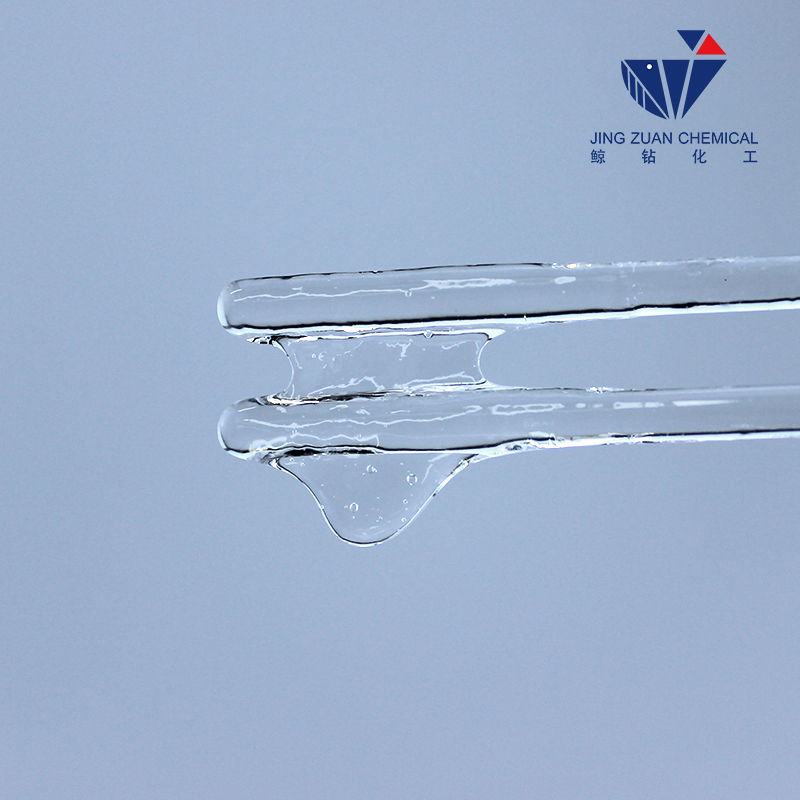
Dissolving HPMC in water may seem straightforward, but following the correct procedures ensures optimal performance of the polymer in its intended applications. Understanding the characteristics of HPMC, combined with precise measurement and mixing techniques, will yield a high-quality solution suitable for various uses. With this knowledge, you can confidently incorporate HPMC into your formulations, enhancing their effectiveness and stability.
-
Unlocking the Benefits of HPMC Products: A Gateway to Versatile Applications
NewsAug.07,2025
-
Unleashing the Potential of HPMC Ashland: A Comprehensive Look
NewsAug.07,2025
-
Tile Bonding Cellulose: The Key to Superior Adhesion and Durability
NewsAug.07,2025
-
Hydroxypropyl Methylcellulose Powder: The Versatile Component in Modern Pharmaceuticals
NewsAug.07,2025
-
Hydroxyethyl Cellulose: The Versatile Solution for Various Industries
NewsAug.07,2025
-
Hydroxyethyl Cellulose (HEC): The Versatile Polymer for Various Applications
NewsAug.07,2025