
Jun . 27, 2024 04:32 Back to list
High-Performance Modified Cellulose Ether (HPMC) for Tile Adhesion Enhanced Bonding Solutions
The Essential Role of HPMC in Tile Adhesives A Comprehensive Overview
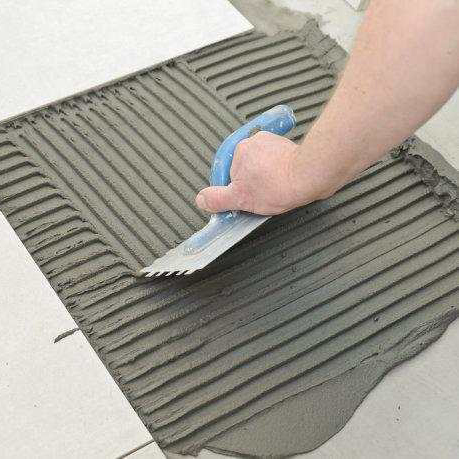
Tile adhesive is a critical component in construction and interior design, ensuring the secure and aesthetic placement of tiles. Among the various ingredients that formulate this adhesive, Hydroxypropyl Methylcellulose (HPMC) plays an indispensable role. This article delves into the significance of HPMC in tile adhesive, exploring its properties, benefits, and the impact it has on the overall performance of the adhesive.
Hydroxypropyl Methylcellulose, often referred to as HPMC, is a non-ionic cellulose ether derived from natural cellulose. It is a versatile chemical compound commonly used in numerous industries, including construction due to its exceptional water retention, thickening, and film-forming abilities. In the context of tile adhesives, HPMC serves as a vital additive, enhancing the adhesive's performance and durability.
The primary function of HPMC in tile adhesive is to improve its workability. It acts as a rheology modifier, allowing the adhesive to have a consistent flow and a manageable consistency during application. This ensures that tiles can be accurately positioned, reducing the likelihood of errors or inconsistencies. Moreover, HPMC contributes to the adhesive's open time, providing a longer period for the installer to adjust and settle the tiles before the adhesive sets.
In addition to workability, HPMC significantly enhances the adhesive's bonding strength. Its water retention properties prevent the adhesive from drying out too quickly, enabling a deep penetration of the adhesive into the substrate and tile, resulting in a stronger bond. Furthermore, HPMC aids in the adhesive's resistance to shrinkage, which can lead to cracks or weak points in the bond Furthermore, HPMC aids in the adhesive's resistance to shrinkage, which can lead to cracks or weak points in the bond Furthermore, HPMC aids in the adhesive's resistance to shrinkage, which can lead to cracks or weak points in the bond Furthermore, HPMC aids in the adhesive's resistance to shrinkage, which can lead to cracks or weak points in the bondtile adhesive hpmc.
The role of HPMC in tile adhesives extends beyond the initial application process. It also contributes to the adhesive's long-term durability. HPMC improves the adhesive's resistance to weathering, freeze-thaw cycles, and chemical attacks, making it suitable for use in various environments, including damp or humid conditions. It also enhances the adhesive's flexibility, preventing cracking when substrates expand or contract due to temperature changes.
Moreover, HPMC has environmental advantages. Being a non-toxic and biodegradable substance, it aligns with the increasing demand for eco-friendly construction materials. It does not release harmful chemicals during the setting process, ensuring a safer working environment for installers and occupants.
In conclusion, Hydroxypropyl Methylcellulose is a key ingredient in tile adhesives, playing a pivotal role in their performance, durability, and environmental sustainability. Its ability to improve workability, enhance bonding strength, and ensure long-term stability makes it an indispensable component in the world of construction. Understanding the importance of HPMC in tile adhesives is crucial for professionals and consumers alike, as it ultimately impacts the quality and longevity of tile installations.
Furthermore, HPMC aids in the adhesive's resistance to shrinkage, which can lead to cracks or weak points in the bond Furthermore, HPMC aids in the adhesive's resistance to shrinkage, which can lead to cracks or weak points in the bondtile adhesive hpmc.
The role of HPMC in tile adhesives extends beyond the initial application process. It also contributes to the adhesive's long-term durability. HPMC improves the adhesive's resistance to weathering, freeze-thaw cycles, and chemical attacks, making it suitable for use in various environments, including damp or humid conditions. It also enhances the adhesive's flexibility, preventing cracking when substrates expand or contract due to temperature changes.
Moreover, HPMC has environmental advantages. Being a non-toxic and biodegradable substance, it aligns with the increasing demand for eco-friendly construction materials. It does not release harmful chemicals during the setting process, ensuring a safer working environment for installers and occupants.
In conclusion, Hydroxypropyl Methylcellulose is a key ingredient in tile adhesives, playing a pivotal role in their performance, durability, and environmental sustainability. Its ability to improve workability, enhance bonding strength, and ensure long-term stability makes it an indispensable component in the world of construction. Understanding the importance of HPMC in tile adhesives is crucial for professionals and consumers alike, as it ultimately impacts the quality and longevity of tile installations. Latest news
-
Exploring the Versatile Hydroxypropyl Methylcellulose Uses in Industry
NewsJul.01,2026
-
Industrial Applications and Properties of Hydroxy Methyl Cellulose
NewsJun.29,2026
-
Optimize EIFS Performance with Hydroxypropyl Methyl Cellulose
NewsJun.27,2026
-
Understanding HPMC Synthesis and High Performance Polymers
NewsJun.26,2026
-
Guide to Optimizing HPMC Solubility in Cold Water for Industry
NewsJun.25,2026
-
Understanding the Current Hydroxyethyl Cellulose Price per kg
NewsJun.23,2026
Related PRODUCTS