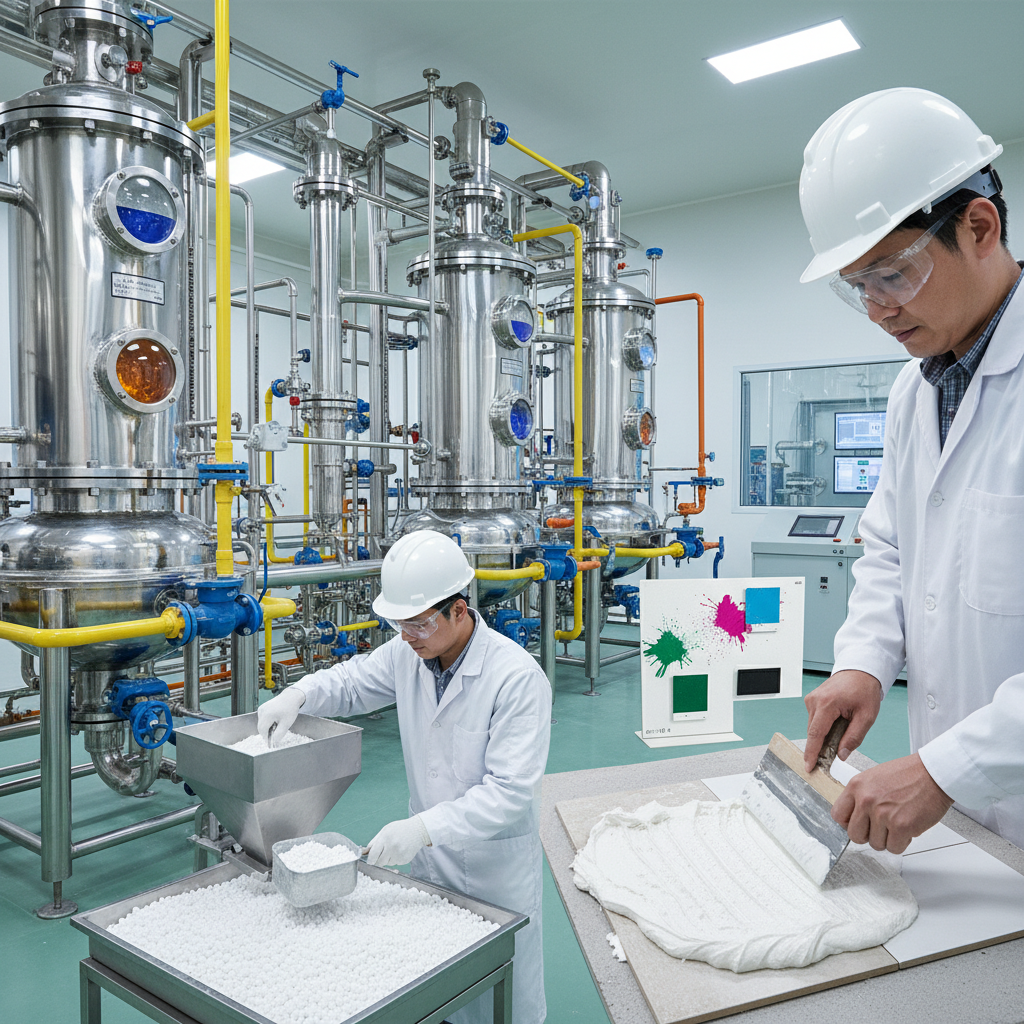
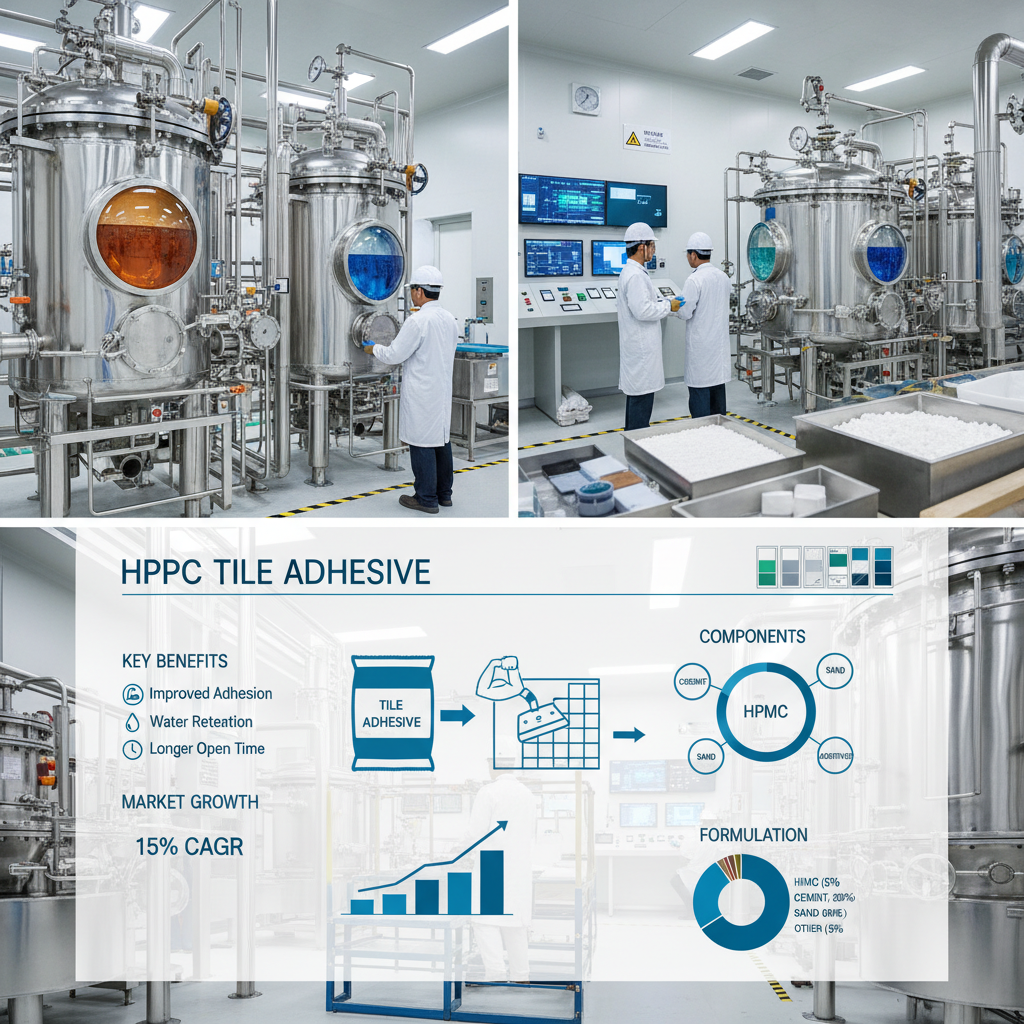
In the modern construction landscape, the demand for high-performance bonding agents has led to the widespread adoption of hpmc tile adhesive, a critical component that ensures the longevity and stability of ceramic and stone installations. By integrating Hydroxypropyl Methylcellulose (HPMC), these adhesives achieve a superior balance of workability and strength, preventing the common failure of tile detachment in diverse climates.
Globally, the shift toward thinner tile formats and larger slab installations has placed immense pressure on traditional mortars. The introduction of hpmc tile adhesive solves these challenges by providing essential water retention, which slows down the drying process and allows for a more complete hydration of the cementitious matrix, ultimately reducing shrinkage cracks.
Understanding the chemical synergy between HPMC and other additives like RDP (Redispersible Polymer Powder) is vital for engineers and contractors alike. This technical synergy not only improves the open time for tile adjustment but also enhances the bond strength on non-porous substrates, making hpmc tile adhesive an indispensable tool for sustainable and durable infrastructure development.
Global Context and Industry Relevance of HPMC Tile Adhesive
The global construction chemical market has seen a paradigm shift toward specialized additives, where hpmc tile adhesive has emerged as a cornerstone for quality assurance. According to ISO standards for adhesives for tiles, the ability to maintain water within the mortar is paramount to prevent "skinning" and premature drying, a challenge that HPMC specifically addresses through its high water-binding capacity.
In rapidly urbanizing regions across Asia and Africa, the reliance on these modified adhesives has increased to meet the demands of high-rise architecture and infrastructure projects. The ability of hpmc tile adhesive to adapt to extreme temperature fluctuations ensures that tiles remain bonded even in the harshest environments, reducing the life-cycle cost of building maintenance.
Defining HPMC Tile Adhesive in Modern Construction
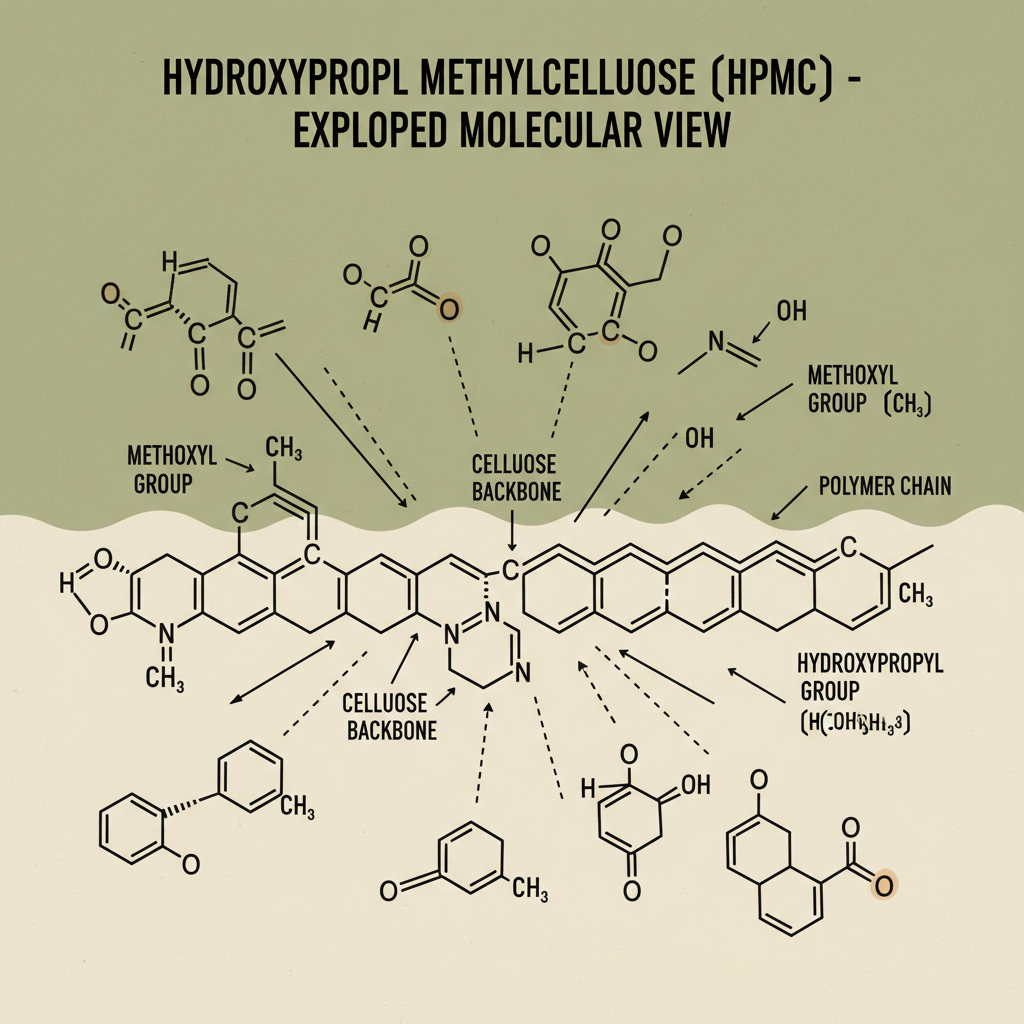
At its core, hpmc tile adhesive is a cement-based mortar modified with Hydroxypropyl Methylcellulose, a non-ionic cellulose ether. This additive transforms a simple mixture of sand and cement into a sophisticated material capable of enhancing slip resistance, improving open time, and ensuring a strong mechanical bond between the substrate and the tile surface.
Beyond the chemistry, this adhesive represents a humanitarian and economic shift toward safer housing. By preventing tile debonding—which can lead to hazardous falling debris in public spaces—the use of HPMC-modified mortars contributes to the overall safety and durability of urban dwellings and commercial hubs.
In the context of the "green building" movement, hpmc tile adhesive allows for thinner application layers without sacrificing strength. This reduction in material volume lowers the overall carbon footprint of the construction process, aligning industrial needs with global sustainability goals.
Core Components Influencing Performance
The efficacy of hpmc tile adhesive is primarily driven by its water retention properties. By holding onto water molecules, the HPMC prevents the porous substrate from absorbing moisture too quickly, which is the leading cause of poor adhesion in traditional mortars.
Another critical factor is the synergistic effect when combining HPMC with RDP. While HPMC manages the water and workability, the Redispersible Polymer Powder (RDP) provides the flexibility and tensile strength, making the hpmc tile adhesive resistant to thermal expansion and vibration.
Lastly, the viscosity grade of the cellulose ether determines the "sag resistance" of the adhesive. A precisely calibrated viscosity allows contractors to apply hpmc tile adhesive on vertical walls without the tiles sliding downward, significantly increasing installation speed and accuracy.
Technical Factors of HPMC Tile Adhesive Efficiency
To evaluate the efficiency of different formulations, engineers look at key metrics such as open time, sag resistance, and bond strength. The integration of high-purity HPMC ensures that the hpmc tile adhesive maintains its consistency even when stored in varying humidity levels, ensuring a predictable outcome on the job site.
When comparing various application methods, the dosage of HPMC plays a pivotal role. Over-dosage can lead to excessive water retention, which may delay the setting time, while under-dosage results in rapid drying and potential cracking. Finding the "sweet spot" is essential for optimizing the performance of hpmc tile adhesive.
Comparative Performance Ratings of HPMC Tile Adhesive Formulations
Global Applications and Real-World Use Cases
In industrial zones across Southeast Asia, hpmc tile adhesive is extensively used in the construction of chemical-resistant flooring for factories. The ability of the adhesive to form a dense, impermeable layer prevents hazardous liquids from seeping into the concrete slab, protecting the building's structural integrity.
Furthermore, in post-disaster relief operations where modular housing is deployed, hpmc tile adhesive enables rapid installation of hygienic flooring. Because it requires minimal surface preparation and offers high initial tack, it allows NGOs and government agencies to create livable, sanitary environments in record time.
Long-Term Value and Sustainable Advantages
The long-term value of using hpmc tile adhesive lies in its ability to drastically reduce "call-backs" for contractors. By eliminating the risk of hollow tiles and shrinkage cracks, the initial investment in high-quality modified mortar pays for itself through reduced maintenance and warranty claims.
From a sustainability perspective, the efficiency of hpmc tile adhesive promotes the use of recycled aggregates in mortar mixes. The superior bonding properties of HPMC can compensate for the slightly lower quality of recycled sands, allowing the industry to move toward a circular economy without compromising safety.
Beyond the logical benefits of cost and durability, there is an emotional value tied to trust. Homeowners and commercial developers gain peace of mind knowing that their high-value installations are secured by a scientifically proven adhesive system, ensuring that the aesthetic beauty of the space is matched by its structural reliability.
Future Trends and Innovations in Adhesive Technology
The future of hpmc tile adhesive is leaning heavily toward "smart" additives. Research is currently underway to integrate nano-cellulose and bio-based polymers that could further increase the bond strength while making the adhesive completely biodegradable after the building's eventual demolition.
Digital transformation is also impacting the production of hpmc tile adhesive. AI-driven formulation software now allows manufacturers to adjust the HPMC viscosity and substitution levels in real-time based on the specific humidity and temperature of the target destination market, ensuring optimal performance.
As global regulations on Volatile Organic Compounds (VOCs) tighten, the industry is moving toward solvent-free, water-based systems. HPMC, being a water-soluble polymer, is perfectly positioned to lead this transition, providing a non-toxic alternative that protects both the installers' health and the indoor air quality of the end-user.
Comparison of HPMC Adhesive Performance across Different Environmental Conditions
| Climate Zone |
Water Retention Rate |
Bond Strength (MPa) |
Recommended Grade |
| Tropical/Humid |
High |
3.2 |
Standard Viscosity |
| Arid/Desert |
Very High |
2.8 |
High Water-Binding |
| Cold/Temperate |
Moderate |
3.5 |
Low-Temp Stable |
| Coastal/Saline |
High |
3.0 |
Polymer-Enhanced |
| High Altitude |
High |
2.5 |
Fast-Setting HPMC |
| Urban/Indoor |
Moderate |
3.8 |
General Purpose |
FAQS
HPMC acts as a water-retention agent that prevents the adhesive from drying out too quickly upon application. By holding moisture within the mortar mix, it extends the "open time"—the period during which the adhesive remains tacky and the tile can be adjusted—making the installation process much more flexible and reducing waste.
Yes, it is highly recommended. Large format tiles are more prone to sagging and require a stronger, more consistent bond. HPMC provides the necessary slip resistance (anti-sag) and ensures that the water doesn't migrate too quickly into the substrate, which is crucial for the heavy weight of large porcelain slabs.
While both are cellulose ethers, HPMC (Hydroxypropyl Methylcellulose) is generally preferred in tile adhesives due to its superior water retention and better compatibility with cementitious systems. HEC (Hydroxyethyl Cellulose) is more commonly used in paints and coatings where thickening is the primary goal rather than water-binding for hydration.
Viscosity primarily affects the workability and sag resistance rather than the ultimate cured strength. However, if the viscosity is too low, the mortar may bleed, leading to a weaker bond. Conversely, excessively high viscosity can make the mortar difficult to spread, potentially creating air pockets that compromise the structural integrity.
Yes, HPMC is derived from natural cellulose (plant-based), making it biodegradable and non-toxic. When used in tile adhesives, it helps reduce the overall material consumption by allowing for thinner beds and reducing the frequency of renovations due to tile failure, contributing to a more sustainable construction cycle.
Cracking is often caused by rapid water loss or thermal stress. To prevent this, ensure the correct dosage of HPMC for your specific climate and combine it with RDP (Redispersible Polymer Powder). The RDP adds flexibility to the cured adhesive, allowing it to absorb the stresses that would otherwise cause a rigid cement mortar to crack.
Conclusion
In summary, hpmc tile adhesive represents a critical advancement in construction chemistry, bridging the gap between traditional masonry and the demanding needs of modern architecture. By optimizing water retention, enhancing workability, and ensuring long-term bond stability, HPMC-modified adhesives eliminate the most common failure points in tile installation. Whether it is the ability to handle large-format slabs or the resilience required for extreme climates, the integration of this specialized chemical ensures a standard of quality that protects both the investment of the builder and the safety of the end-user.
Looking forward, the evolution of hpmc tile adhesive will continue to be driven by the dual goals of sustainability and digitalization. As we transition toward greener cities and smarter building materials, the role of high-performance cellulose ethers will only grow. We encourage engineers and procurement specialists to prioritize high-purity HPMC formulations to ensure their projects stand the test of time. For premium solutions and technical consultations, visit our website: www.cnjzchemical.com.