

Nov . 05, 2024 08:24 Back to list
grades of hpmc
Understanding the Grades of HPMC A Comprehensive Overview
Hydroxypropyl Methylcellulose (HPMC) is a versatile cellulose derivative extensively used in various industries, including pharmaceuticals, food, cosmetics, and construction. Its unique properties, such as film-forming ability, viscosity, and stability, make it invaluable across these sectors. However, not all HPMC grades are created equal. Understanding the differences among these grades is crucial for effective application and formulation.
Understanding the Grades of HPMC A Comprehensive Overview
The degree of substitution (DS) also plays a pivotal role in determining the properties of HPMC. This refers to the average number of hydroxypropyl and methyl groups substituted on the cellulose backbone. A higher DS can enhance solubility and increase the hydrophobic character of the polymer, which can be advantageous in applications where water resistance is essential. Conversely, a lower DS would result in a more hydrophilic polymer, ideal for applications requiring higher water retention and gel formation.
grades of hpmc

In pharmaceuticals, HPMC is widely utilized as a binder, stabilizer, emulsifier, and film-forming agent. Its grades are carefully selected to ensure drug solubility, bioavailability, and release profiles. For instance, in tablet formulations, medium to high viscosity grades are preferred to achieve the desired tablet hardness and disintegration time.
The food industry benefits greatly from HPMC grades, particularly in gluten-free product formulations and as a fat replacer in low-calorie foods. Low viscosity grades find utility as thickening agents in sauces and dressings, while higher grades are often used in dairy products to improve texture and mouthfeel.
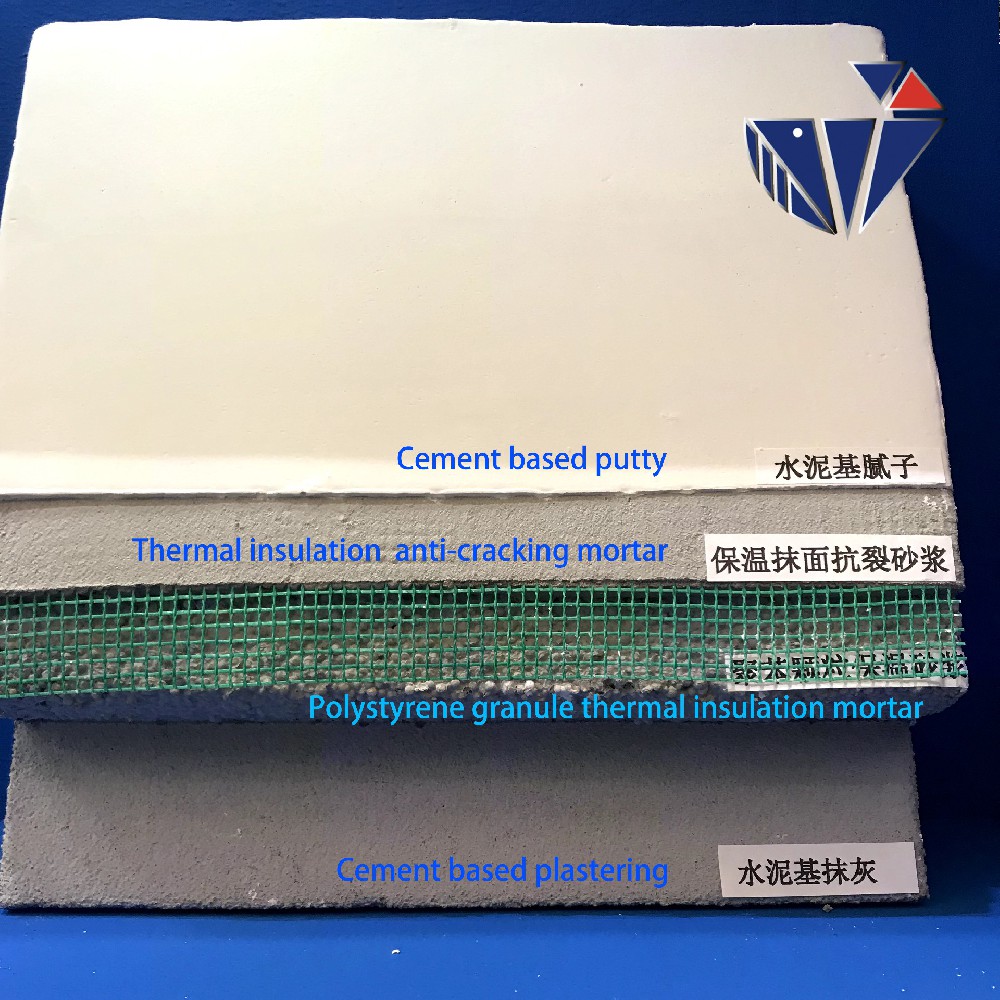
Moreover, in the construction industry, HPMC is employed as an additive in cement and mortar to enhance workability and water retention. The choice of grade can significantly affect the performance of the final product, including setting time and durability.
In conclusion, the grades of HPMC are critical in determining its functional properties and suitability for various applications. Understanding these differences allows manufacturers and formulators to choose the appropriate grade for their specific needs, ultimately leading to better product performance and consumer satisfaction. Whether in pharmaceuticals, food, or construction, HPMC remains a key ingredient driving innovation across industries.
-
Versatile Hpmc Uses in Different Industries
NewsJun.19,2025
-
Redispersible Powder's Role in Enhancing Durability of Construction Products
NewsJun.19,2025
-
Hydroxyethyl Cellulose Applications Driving Green Industrial Processes
NewsJun.19,2025
-
Exploring Different Redispersible Polymer Powder
NewsJun.19,2025
-
Choosing the Right Mortar Bonding Agent
NewsJun.19,2025
-
Applications and Significance of China Hpmc in Modern Industries
NewsJun.19,2025



 English
  Afrikaans
  Albanian
  Amharic
  Arabic
  Armenian
  Azerbaijani
  Basque
  Belarusian
  Bengali
  Bosnian
  Bulgarian
  Catalan
  Cebuano
  Corsican
  Croatian
  Czech
Czech  Danish
  Dutch
Dutch  Esperanto
  Estonian
  Finnish
  French
  Frisian
  Galician
  Georgian
  German
  Greek
Greek  Gujarati
  Haitian Creole
  Hausa
Hausa  Hawaiian
  Hebrew
  Hindi
Hindi  Miao
Miao  Hungarian
  Icelandic
  Igbo
Igbo  Indonesian
  Irish
Irish  Italian
  Japanese
  Javanese
  Kannada
  Kazakh
  Khmer
Khmer  Rwandese
  Korean
  Kurdish
  Kyrgyz
  Lao
Lao  Latin
Latin  Latvian
  Lithuanian
  Luxembourgish
  Macedonian
  Malgashi
  Malay
Malay  Malayalam
  Maltese
  Maori
Maori  Marathi
  Mongolian
  Myanmar
  Nepali
  Norwegian
  Norwegian
  Occitan
  Pashto
  Persian
  Polish
  Portuguese
  Punjabi
  Romanian
  Russian
  Samoan
  Scottish Gaelic
  Serbian
  Sesotho
  Shona
Shona  Sindhi
  Sinhala
  Slovak
  Slovenian
  Somali
  Spanish
  Sundanese
  Swahili
  Swedish
  Tagalog
  Tajik
Tajik  Tamil
Tamil  Tatar
Tatar  Telugu
  Thai
Thai  Turkish
  Turkmen
  Ukrainian
  Urdu
Urdu  Uighur
  Uzbek
Uzbek  Vietnamese
  Welsh
Welsh  Bantu
Bantu  Yiddish
  Yoruba
  Zulu
Zulu