

Jul . 29, 2024 19:52 Back to list
Exploring the Applications and Properties of Hydroxy Methyl Propyl Cellulose in Various Industries
Hydroxy Methyl Propyl Cellulose An Overview
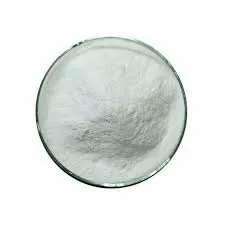
Hydroxy Methyl Propyl Cellulose (HMPC) is a versatile cellulose ether derived from natural cellulose through a chemical modification process. As a non-ionic water-soluble polymer, HMPC has garnered significant attention and application across various industries, including pharmaceuticals, food, cosmetics, and construction. Its unique properties make it a valuable additive in formulations, providing multiple functions such as thickening, stabilizing, and forming films.
Properties and Characteristics
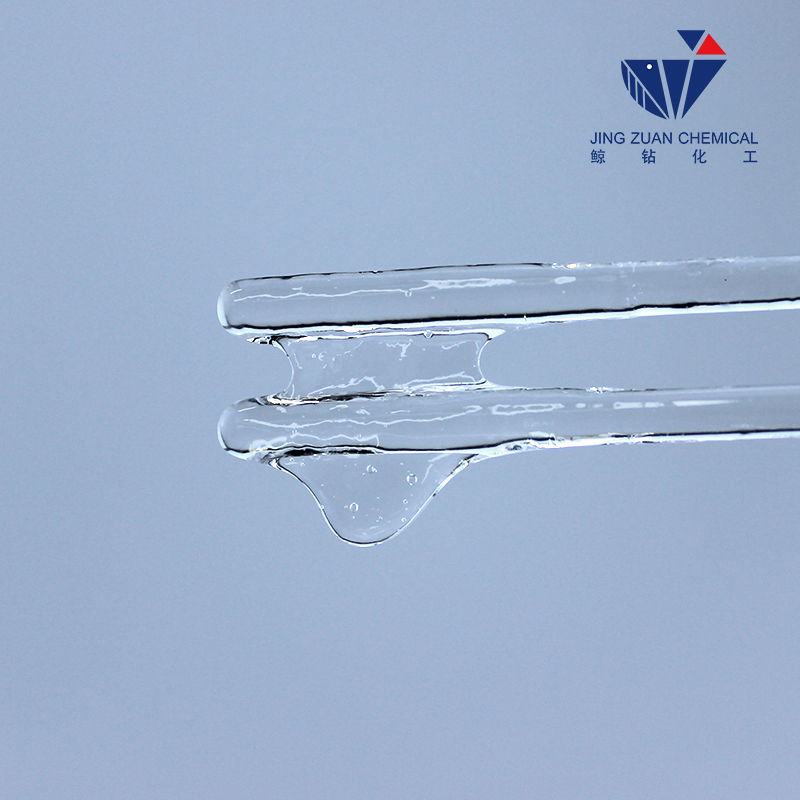
One of the key features of HMPC is its solubility in both hot and cold water, which makes it particularly useful in diverse applications. When dissolved, it forms a clear, viscous solution that can easily be tailored in viscosity by varying the concentration of HMPC. The presence of hydroxy groups (–OH) in its structure allows HMPC to form hydrogen bonds with water molecules, enhancing its water-retention capabilities and making it an effective thickening agent. Furthermore, HMPC exhibits exceptional stability across a wide range of pH conditions, making it suitable for neutral to alkaline environments.
Another notable characteristic of HMPC is its ability to form gels under specific conditions, which is advantageous in numerous applications. The gelation can provide a desirable texture and consistency, particularly in cosmetic creams and food products, enhancing the user experience and product appeal.
Applications in Pharmaceuticals
In the pharmaceutical industry, HMPC serves multiple roles, especially as a binder, film-forming agent, and controlled release agent in tablet formulations. Its film-forming properties are particularly beneficial for coating tablets, ensuring a uniform appearance while also providing protection against environmental factors such as moisture and light. Moreover, the use of HMPC allows for the controlled release of active pharmaceutical ingredients (APIs), facilitating sustained therapeutic effects over extended periods. This controlled release mechanism improves patient compliance and enhances the efficacy of treatment regimens.
hydroxy methyl propyl cellulose
Use in Food Products
In the food sector, HMPC is widely utilized as a food additive, where it operates as a thickener, stabilizer, and emulsifier. Its ability to improve the texture and mouthfeel of various food products has made it a popular choice in sauces, dressings, and dairy products. HMPC is often listed under its E-number, E464, in food labeling, indicating its approval for use as a safe food additive by food safety authorities. Moreover, its vegetarian and gluten-free attributes make it an appealing alternative to gelatin and other non-plant-based thickeners.
Role in Cosmetics
The cosmetic industry also benefits significantly from the properties of HMPC. Its thickening ability and skin-conditioning benefits make it a valuable ingredient in lotions, creams, and serums. HMPC enhances the sensory qualities of cosmetic formulations, providing a smooth and non-greasy feel upon application. Additionally, its film-forming nature helps in creating protective barriers on the skin, which can prevent moisture loss and enhance hydration.
Conclusion
In summary, Hydroxy Methyl Propyl Cellulose is a multifaceted compound that finds applications across a variety of industries, including pharmaceuticals, food, and cosmetics. Its unique properties, including solubility, gel-forming capacity, and stability across pH levels, render it an invaluable ingredient in numerous formulations. As industries continue to seek innovative solutions for product formulation and enhancement, HMPC will undoubtedly remain a key player in the development of high-quality products that meet consumer demands while ensuring safety and efficacy.
-
Versatile Hpmc Uses in Different Industries
NewsJun.19,2025
-
Redispersible Powder's Role in Enhancing Durability of Construction Products
NewsJun.19,2025
-
Hydroxyethyl Cellulose Applications Driving Green Industrial Processes
NewsJun.19,2025
-
Exploring Different Redispersible Polymer Powder
NewsJun.19,2025
-
Choosing the Right Mortar Bonding Agent
NewsJun.19,2025
-
Applications and Significance of China Hpmc in Modern Industries
NewsJun.19,2025



 English
  Afrikaans
  Albanian
  Amharic
  Arabic
  Armenian
  Azerbaijani
  Basque
  Belarusian
  Bengali
  Bosnian
  Bulgarian
  Catalan
  Cebuano
  Corsican
  Croatian
  Czech
Czech  Danish
  Dutch
Dutch  Esperanto
  Estonian
  Finnish
  French
  Frisian
  Galician
  Georgian
  German
  Greek
Greek  Gujarati
  Haitian Creole
  Hausa
Hausa  Hawaiian
  Hebrew
  Hindi
Hindi  Miao
Miao  Hungarian
  Icelandic
  Igbo
Igbo  Indonesian
  Irish
Irish  Italian
  Japanese
  Javanese
  Kannada
  Kazakh
  Khmer
Khmer  Rwandese
  Korean
  Kurdish
  Kyrgyz
  Lao
Lao  Latin
Latin  Latvian
  Lithuanian
  Luxembourgish
  Macedonian
  Malgashi
  Malay
Malay  Malayalam
  Maltese
  Maori
Maori  Marathi
  Mongolian
  Myanmar
  Nepali
  Norwegian
  Norwegian
  Occitan
  Pashto
  Persian
  Polish
  Portuguese
  Punjabi
  Romanian
  Russian
  Samoan
  Scottish Gaelic
  Serbian
  Sesotho
  Shona
Shona  Sindhi
  Sinhala
  Slovak
  Slovenian
  Somali
  Spanish
  Sundanese
  Swahili
  Swedish
  Tagalog
  Tajik
Tajik  Tamil
Tamil  Tatar
Tatar  Telugu
  Thai
Thai  Turkish
  Turkmen
  Ukrainian
  Urdu
Urdu  Uighur
  Uzbek
Uzbek  Vietnamese
  Welsh
Welsh  Bantu
Bantu  Yiddish
  Yoruba
  Zulu
Zulu