

Jul . 06, 2024 02:20 Back to list
Differences and similarities between HPMC and HEC in pharmaceutical applications and properties
HPMC vs HEC A Comparison
Hydroxypropyl methylcellulose (HPMC) and hydroxyethyl cellulose (HEC) are two popular cellulose-based polymers that are widely used in various industries. While both polymers share some similar properties and functions, they also have distinct differences that make them suitable for different applications. In this article, we will compare HPMC and HEC in terms of their properties, applications, and advantages.
Properties
HPMC and HEC are both water-soluble polymers that are derived from cellulose. However, HPMC has a higher degree of substitution, which means that it has more hydroxypropyl and methoxy groups attached to the cellulose backbone. This results in improved water retention and film-forming properties, making HPMC more versatile and effective in a wider range of applications.
On the other hand, HEC has a higher degree of hydroxyethyl substitution, which gives it better thickening and gelling properties. This makes HEC a popular choice for use in adhesives, coatings, and personal care products where a thicker consistency is desired.
Applications
HPMC is commonly used in the construction industry as a thickener and binder in cement-based materials such as mortars, plasters, and tile adhesives. It is also used in pharmaceuticals as a coating agent for tablets and in personal care products such as shampoos, lotions, and cosmetics.
HEC, on the other hand, is often used in paints and coatings as a thickener and rheology modifier
HEC, on the other hand, is often used in paints and coatings as a thickener and rheology modifier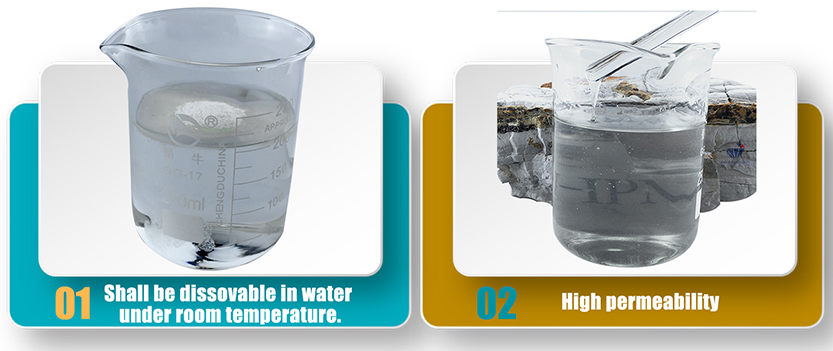 HEC, on the other hand, is often used in paints and coatings as a thickener and rheology modifier
hpmc vs hec. Its excellent water retention properties make it ideal for use in water-based paints and adhesives. HEC is also used in the production of paper, textiles, and detergents due to its ability to improve the viscosity and stability of formulations.
Advantages
One of the main advantages of HPMC is its compatibility with a wide range of ingredients and its ability to improve the stability and performance of formulations. HPMC can also enhance the water retention properties of products, which is crucial in industries such as construction and personal care.
HEC, on the other hand, offers superior thickening and gelling properties, making it ideal for use in products that require a higher viscosity or gel-like consistency. HEC is also known for its excellent suspension and emulsion stability, which makes it a popular choice in the paint and coatings industry.
In conclusion, HPMC and HEC are both valuable cellulose-based polymers that offer unique properties and advantages. While HPMC is more versatile and widely used in a variety of industries, HEC excels in applications that require superior thickening and gelling properties. The choice between HPMC and HEC will ultimately depend on the specific needs and requirements of the formulation and the desired end result.
HEC, on the other hand, is often used in paints and coatings as a thickener and rheology modifier
HEC, on the other hand, is often used in paints and coatings as a thickener and rheology modifierhpmc vs hec. Its excellent water retention properties make it ideal for use in water-based paints and adhesives. HEC is also used in the production of paper, textiles, and detergents due to its ability to improve the viscosity and stability of formulations.
Advantages
One of the main advantages of HPMC is its compatibility with a wide range of ingredients and its ability to improve the stability and performance of formulations. HPMC can also enhance the water retention properties of products, which is crucial in industries such as construction and personal care.
HEC, on the other hand, offers superior thickening and gelling properties, making it ideal for use in products that require a higher viscosity or gel-like consistency. HEC is also known for its excellent suspension and emulsion stability, which makes it a popular choice in the paint and coatings industry.
In conclusion, HPMC and HEC are both valuable cellulose-based polymers that offer unique properties and advantages. While HPMC is more versatile and widely used in a variety of industries, HEC excels in applications that require superior thickening and gelling properties. The choice between HPMC and HEC will ultimately depend on the specific needs and requirements of the formulation and the desired end result.
HEC, on the other hand, is often used in paints and coatings as a thickener and rheology modifier
HEC, on the other hand, is often used in paints and coatings as a thickener and rheology modifierhpmc vs hec. Its excellent water retention properties make it ideal for use in water-based paints and adhesives. HEC is also used in the production of paper, textiles, and detergents due to its ability to improve the viscosity and stability of formulations.
Advantages
One of the main advantages of HPMC is its compatibility with a wide range of ingredients and its ability to improve the stability and performance of formulations. HPMC can also enhance the water retention properties of products, which is crucial in industries such as construction and personal care.
HEC, on the other hand, offers superior thickening and gelling properties, making it ideal for use in products that require a higher viscosity or gel-like consistency. HEC is also known for its excellent suspension and emulsion stability, which makes it a popular choice in the paint and coatings industry.
In conclusion, HPMC and HEC are both valuable cellulose-based polymers that offer unique properties and advantages. While HPMC is more versatile and widely used in a variety of industries, HEC excels in applications that require superior thickening and gelling properties. The choice between HPMC and HEC will ultimately depend on the specific needs and requirements of the formulation and the desired end result. Latest news
-
Versatile Hpmc Uses in Different Industries
NewsJun.19,2025
-
Redispersible Powder's Role in Enhancing Durability of Construction Products
NewsJun.19,2025
-
Hydroxyethyl Cellulose Applications Driving Green Industrial Processes
NewsJun.19,2025
-
Exploring Different Redispersible Polymer Powder
NewsJun.19,2025
-
Choosing the Right Mortar Bonding Agent
NewsJun.19,2025
-
Applications and Significance of China Hpmc in Modern Industries
NewsJun.19,2025
Related PRODUCTS



 English
  Afrikaans
  Albanian
  Amharic
  Arabic
  Armenian
  Azerbaijani
  Basque
  Belarusian
  Bengali
  Bosnian
  Bulgarian
  Catalan
  Cebuano
  Corsican
  Croatian
  Czech
Czech  Danish
  Dutch
Dutch  Esperanto
  Estonian
  Finnish
  French
  Frisian
  Galician
  Georgian
  German
  Greek
Greek  Gujarati
  Haitian Creole
  Hausa
Hausa  Hawaiian
  Hebrew
  Hindi
Hindi  Miao
Miao  Hungarian
  Icelandic
  Igbo
Igbo  Indonesian
  Irish
Irish  Italian
  Japanese
  Javanese
  Kannada
  Kazakh
  Khmer
Khmer  Rwandese
  Korean
  Kurdish
  Kyrgyz
  Lao
Lao  Latin
Latin  Latvian
  Lithuanian
  Luxembourgish
  Macedonian
  Malgashi
  Malay
Malay  Malayalam
  Maltese
  Maori
Maori  Marathi
  Mongolian
  Myanmar
  Nepali
  Norwegian
  Norwegian
  Occitan
  Pashto
  Persian
  Polish
  Portuguese
  Punjabi
  Romanian
  Russian
  Samoan
  Scottish Gaelic
  Serbian
  Sesotho
  Shona
Shona  Sindhi
  Sinhala
  Slovak
  Slovenian
  Somali
  Spanish
  Sundanese
  Swahili
  Swedish
  Tagalog
  Tajik
Tajik  Tamil
Tamil  Tatar
Tatar  Telugu
  Thai
Thai  Turkish
  Turkmen
  Ukrainian
  Urdu
Urdu  Uighur
  Uzbek
Uzbek  Vietnamese
  Welsh
Welsh  Bantu
Bantu  Yiddish
  Yoruba
  Zulu
Zulu