

Nov . 02, 2024 04:17 Back to list
construction hpmc
The Role of HPMC in Modern Construction
Hydroxypropyl Methylcellulose (HPMC) has emerged as a key ingredient in the construction industry, revolutionizing the way building materials are formulated and applied. This versatile cellulose derivative is widely known for its binding, thickening, and film-forming properties, making it an essential additive in various construction applications.
The Role of HPMC in Modern Construction
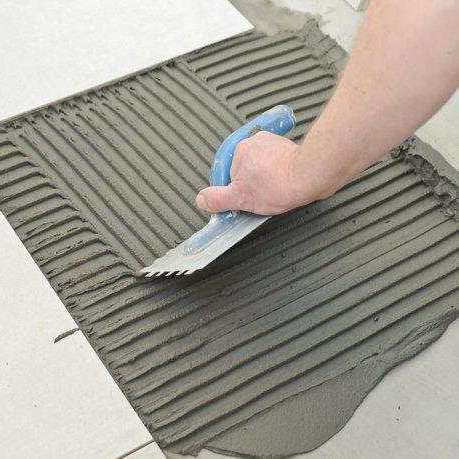
Another significant advantage of HPMC is its ability to extend the open time of construction materials. In scenarios where builders require more time to adjust the placement of tiles or finishes, HPMC ensures that the mixture remains workable without drying too quickly. This feature is crucial in preventing wasted materials and achieving high-quality finishes.
construction hpmc
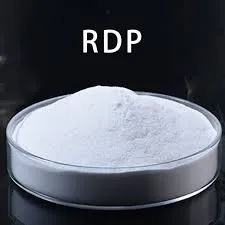
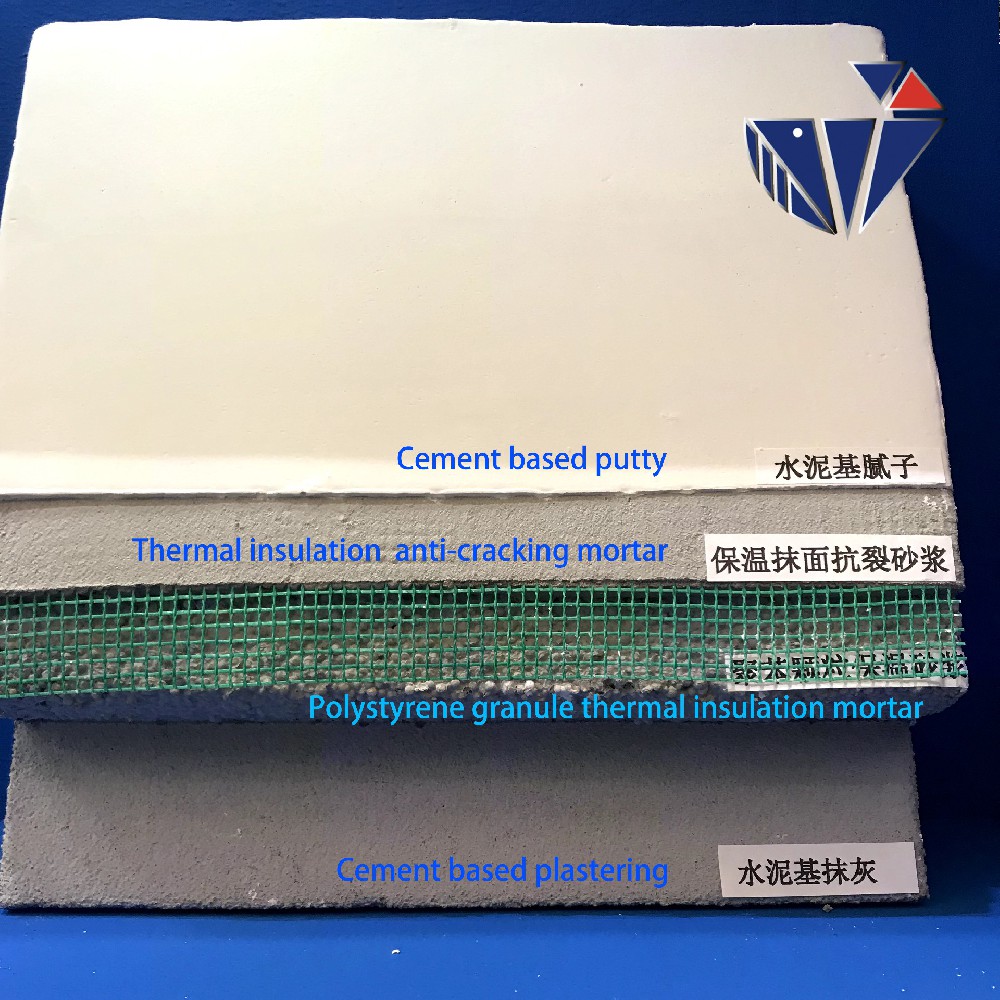
Additionally, HPMC exhibits excellent water retention properties, which play a crucial role in preventing cracking during the curing process. By retaining moisture in cement-based products, HPMC aids in ensuring a uniform and gradual drying process. This reduces the risk of shrinkage cracks, leading to more resilient structures.
The versatility of HPMC extends beyond traditional construction materials. Its application can be seen in tile adhesives, joint compounds, and even in specialized formulations like self-leveling compounds and decorative plasters. As construction techniques evolve, the demand for innovative materials continues to grow, and HPMC remains at the forefront, adapting to meet these needs.
Moreover, the interest in eco-friendly and sustainable building practices has also promoted the use of HPMC. As a plant-derived product, HPMC aligns well with the increasing preference for natural and biodegradable materials in construction. Its incorporation into green construction processes highlights its contribution to sustainability and environmental stewardship.
In conclusion, HPMC is a pivotal material in modern construction, enhancing the performance and durability of various building products. Its unique properties, such as improved workability, extended open time, and superior water retention, make it an indispensable additive in the pursuit of quality construction. As the industry continues to innovate, HPMC will undoubtedly play a crucial role in shaping the future of building materials.
-
Versatile Hpmc Uses in Different Industries
NewsJun.19,2025
-
Redispersible Powder's Role in Enhancing Durability of Construction Products
NewsJun.19,2025
-
Hydroxyethyl Cellulose Applications Driving Green Industrial Processes
NewsJun.19,2025
-
Exploring Different Redispersible Polymer Powder
NewsJun.19,2025
-
Choosing the Right Mortar Bonding Agent
NewsJun.19,2025
-
Applications and Significance of China Hpmc in Modern Industries
NewsJun.19,2025


 English
  Afrikaans
  Albanian
  Amharic
  Arabic
  Armenian
  Azerbaijani
  Basque
  Belarusian
  Bengali
  Bosnian
  Bulgarian
  Catalan
  Cebuano
  Corsican
  Croatian
  Czech
Czech  Danish
  Dutch
Dutch  Esperanto
  Estonian
  Finnish
  French
  Frisian
  Galician
  Georgian
  German
  Greek
Greek  Gujarati
  Haitian Creole
  Hausa
Hausa  Hawaiian
  Hebrew
  Hindi
Hindi  Miao
Miao  Hungarian
  Icelandic
  Igbo
Igbo  Indonesian
  Irish
Irish  Italian
  Japanese
  Javanese
  Kannada
  Kazakh
  Khmer
Khmer  Rwandese
  Korean
  Kurdish
  Kyrgyz
  Lao
Lao  Latin
Latin  Latvian
  Lithuanian
  Luxembourgish
  Macedonian
  Malgashi
  Malay
Malay  Malayalam
  Maltese
  Maori
Maori  Marathi
  Mongolian
  Myanmar
  Nepali
  Norwegian
  Norwegian
  Occitan
  Pashto
  Persian
  Polish
  Portuguese
  Punjabi
  Romanian
  Russian
  Samoan
  Scottish Gaelic
  Serbian
  Sesotho
  Shona
Shona  Sindhi
  Sinhala
  Slovak
  Slovenian
  Somali
  Spanish
  Sundanese
  Swahili
  Swedish
  Tagalog
  Tajik
Tajik  Tamil
Tamil  Tatar
Tatar  Telugu
  Thai
Thai  Turkish
  Turkmen
  Ukrainian
  Urdu
Urdu  Uighur
  Uzbek
Uzbek  Vietnamese
  Welsh
Welsh  Bantu
Bantu  Yiddish
  Yoruba
  Zulu
Zulu